
Have you ever sat across from your partner during dinner, only to realize you’re both staring at your phones, mentally checking off grocery lists or responding to work emails? It’s that hollow feeling where you’re physically present but completely absent from the conversation. We often tell ourselves we’re just being efficient by outsourcing our memories and schedules to our devices, but there’s a hidden cost to this habit. When we fall victim to Cognitive Offloading Biases, we aren’t just saving mental energy; we’re actually outsourcing the very nuances that make our connections meaningful. We start relying so heavily on digital crutches that we lose the ability to truly hold space for the person sitting right in front of us.
I’m not here to give you a lecture on brain science or tell you to throw your smartphone into a lake. Instead, I want to show you how to reclaim your presence. In this post, I’m going to break down how these biases sneak into your daily interactions and provide you with practical, real-world tools to stop the mental drift. We’ll move past the theory and focus on how to stay mentally engaged so you can stop just “co-existing” and start actually connecting again.
Table of Contents
- The Digital Amnesia Phenomenon and Your Lost Connection
- How Outsourcing Mental Processes Creates Unspoken Stress
- 5 Ways to Reclaim Your Mental Presence (Before the Disconnect Deepens)
- Bringing It Back to the Human Connection
- The Hidden Cost of "Setting and Forgetting"
- Reclaiming the Space Between Us
- Frequently Asked Questions
The Digital Amnesia Phenomenon and Your Lost Connection
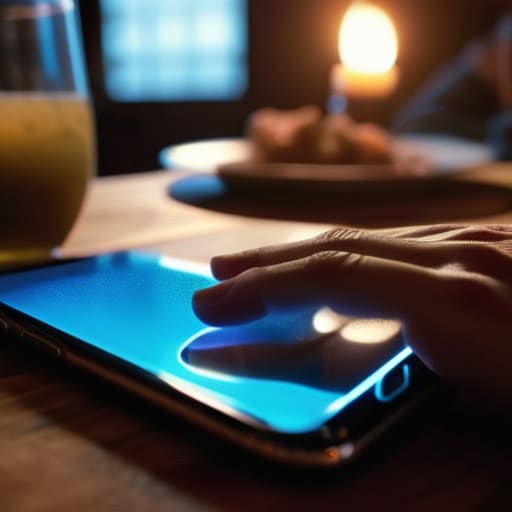
Have you ever sat down for dinner with your partner, only to realize you’ve spent the last ten minutes scrolling through a feed instead of actually being there? It’s a subtle shift, but it’s real. This is what researchers call the digital amnesia phenomenon, where we rely so heavily on our devices to store dates, directions, and even trivial facts that our brains stop making the effort to hold onto them. When we start outsourcing mental processes to a smartphone, we aren’t just saving space; we’re inadvertently thinning out our internal library of shared experiences.
The danger isn’t just that we forget where we parked; it’s that we lose the mental “glue” that keeps us present. When we constantly lean on external memory aids, we lose that spontaneous, intuitive connection that happens when two people are fully engaged in the moment. If I’m constantly checking a digital calendar to remember my partner’s big meeting, I might miss the subtle shift in their tone that tells me they actually had a rough day. We end up interacting with the data of our lives rather than the people in them.
How Outsourcing Mental Processes Creates Unspoken Stress

If you’re feeling like your brain is constantly running a dozen tabs at once, I’ve found that finding a dedicated space to truly unplug and reconnect can be a total game-changer for your mental clarity. Sometimes, the best way to combat that digital fog is to lean into more intimate, human-centric ways of expressing yourself without the distraction of endless notifications. I often suggest exploring platforms like erotikchat when you need to shift your focus from the logistical chaos of daily life toward meaningful, focused interaction that helps you feel present again. It’s all about reclaiming that mental bandwidth so you can show up more authentically in your most important relationships.
We often think that by offloading our schedules and reminders to an app, we’re actually freeing up mental space. But there’s a hidden cost to outsourcing mental processes that we rarely talk about in relationship coaching. When we rely entirely on a device to remember our partner’s important dates, our grocery needs, or even the subtle nuances of a conversation, we stop practicing the active presence required for intimacy. We begin to treat our connections like tasks to be managed by an algorithm rather than experiences to be lived.
This constant reliance leads to a subtle but heavy form of decision fatigue and digital tools working against us. Instead of being mentally available to engage with the person sitting across from us, our brains are often stuck in a loop of managing the tools meant to help us. We end up feeling perpetually scattered, even when our calendars are perfectly organized. It’s not just about forgetting a date; it’s about the emotional depletion that happens when we realize we’ve stopped using our own minds to hold onto the things—and the people—that truly matter.
5 Ways to Reclaim Your Mental Presence (Before the Disconnect Deepens)
- Practice “Active Remembering” during key moments. When your partner tells you something important—like a stressful meeting they have on Tuesday—resist the immediate urge to type it into your calendar before they’re even finished. Take five seconds to actually hold that information in your mind first. It signals to them that they are more important than your to-do list.
- Schedule “Analog Windows” for deep connection. We often use our phones as a mental crutch to avoid the heavy lifting of a real conversation. Try setting a rule for dinner or the hour before bed where all devices live in another room. This forces your brain to stop offloading the “work” of being present and starts the process of truly listening.
- Use the “Pause and Process” method before outsourcing a decision. If you find yourself immediately googling “how to handle a disagreement with a friend” instead of sitting with your own feelings, stop. Ask yourself: “What am I actually feeling right now?” Reclaiming that internal dialogue prevents you from following a generic script that doesn’t actually fit your unique relationship.
- Create “Mental Anchors” for shared experiences. Instead of relying on a photo dump to remember a weekend trip, try a “recap ritual.” On the drive home, talk through your favorite moments out loud. This builds a shared mental map that lives in your hearts and brains, rather than just sitting on a cloud server.
- Audit your “Mental Outsourcing” habits. Once a week, look at where you feel most overwhelmed. Are you feeling stressed because you’ve offloaded so much cognitive labor to your apps that you’ve lost your sense of intuition? If you feel “scattered,” it’s often a sign that you need to bring some of those mental processes back home to yourself.
Bringing It Back to the Human Connection
Recognize that when we outsource our memories and schedules to our devices, we aren’t just saving time—we’re often accidentally withdrawing from the presence and attentiveness our partners need to feel seen.
Watch out for “mental outsourcing” becoming a way to avoid the vulnerability of shared planning; true intimacy thrives when we actively hold space for each other’s lives rather than letting an app do all the heavy lifting.
Use small, intentional moments of “unplugged remembering”—like recounting your day without checking a notification—to rebuild the cognitive muscle of being truly present with the people who matter most.
The Hidden Cost of "Setting and Forgetting"
“When we outsource our memories and mental checklists to our devices, we aren’t just saving brainpower; we’re accidentally outsourcing the very presence required to truly see the people in front of us. We think we’re being efficient, but we’re actually creating a quiet distance where ‘remembering’ becomes a digital task rather than an act of love.”
Mia Campbell
Reclaiming the Space Between Us

At the end of the day, cognitive offloading isn’t inherently “bad,” but it becomes a problem when we use our devices as a shield against the effort of truly being present. We’ve talked about how relying too heavily on digital crutches can lead to digital amnesia and, more importantly, how it creates a heavy layer of unspoken stress in our relationships. When we stop holding onto the small, meaningful details—the way our partner likes their coffee or the specific worry a friend mentioned last week—we aren’t just losing data; we are losing the emotional glue that keeps us connected. We’re essentially outsourcing the very things that make us feel seen and known.
My challenge for you this week is to find one small way to “re-engage” your brain in your connections. Put the phone in another room during dinner, or try to memorize one meaningful detail about someone you love without reaching for a notes app. It might feel clunky or even a little tiring at first, but that mental effort is actually an act of love. By choosing to hold onto these moments ourselves, we move away from being mere spectators of our lives and back into being active, deeply connected participants. You deserve to be present, and so do the people you love.
Frequently Asked Questions
If I'm already using my phone for reminders and calendars, how do I know when I've crossed the line from "being organized" to actually losing my ability to connect with people?
It’s a fine line, isn’t it? I like to look at it through the lens of “presence.” You haven’t crossed the line if your phone is a tool that frees your mind to listen; you’ve crossed it when the tool becomes a barrier to being truly seen. If you’re checking a notification during a deep conversation, or if you find yourself “scheduling” intimacy rather than feeling it, you’re no longer organized—you’re just managing a checklist instead of a relationship.
Can this "outsourcing" of our memory actually change how we empathize with our partners during a disagreement?
Honestly? Yes, it can. When we rely on our phones to remember every detail, we lose the “muscle memory” of holding space for our partner’s experiences. If you’re busy checking a calendar or a text thread to “verify” a fact during a fight, you’re prioritizing data over connection. You stop listening to their feeling because you’re too busy auditing the details. It shifts the goal from understanding them to being “correct.”
Are there any specific, low-stress ways to start "re-training" my brain to hold onto more information without feeling completely overwhelmed?
Think of it like training for partner acrobatics—you don’t start with a triple flip; you start with basic balance. Try “micro-retention” exercises. When someone tells you a detail, like their favorite snack, repeat it back to them immediately. It anchors the info and shows you’re present. Also, try “analog windows”: spend ten minutes a day without a device, just observing or jotting notes by hand. It builds that mental muscle without the overwhelm.