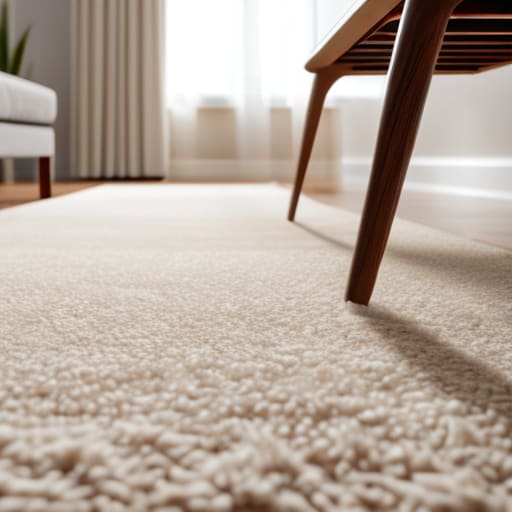
I was sitting in my workshop yesterday, sanding down a piece of cedar, when I remembered the exact moment I felt the floor drop out from under me. I had just finished a perfect pour of dark coffee, and in a split second, a heavy splash bloomed across my cream-colored living room rug. In that moment, it wasn’t just about the mess; it felt like a chaotic disruption to the entire sense of order I work so hard to maintain. Most people think that when a disaster strikes, you need to grab every harsh chemical under the sink and scrub until your arms ache, but I’ve learned that’s actually the fastest way to ruin your fibers. Learning how to remove stains from carpet isn’t about brute force; it’s about approaching the mess with a calm, methodical intention.
In this guide, I’m going to walk you through my personal, step-by-step system for restoring your floors to their original state. We won’t be using any overwhelming or expensive gadgets—just simple, logical techniques that respect your home and your peace of mind. I will show you exactly how to interview the stain to understand what you’re dealing with, ensuring you apply the right remedy every single time. Let’s turn this little moment of chaos back into a part of your sanctuary.
Guide Overview
Tools & Supplies
- Microfiber cloths for blotting excess liquid
- Soft-bristled brush for gentle agitation
- Vacuum cleaner for removing dried particles
- Mild dish soap (approx. 1 tablespoon)
- Warm water (approx. 1-2 cups)
- White vinegar (approx. 1/2 cup)
- Baking soda (approx. 1/2 cup)
Step-by-Step Instructions
- 1. The moment you notice a spill, your first instinct might be to panic, but I want you to take a deep breath. Grab a clean, white cloth or a stack of paper towels and begin to blot the area gently. Never, ever rub or scrub at the stain; doing so only forces the liquid deeper into the carpet fibers, creating a permanent disruption to your sanctuary.
- 2. Once you have absorbed as much liquid as possible, it is time to introduce a gentle cleaning solution. I often find that a simple mixture of a few drops of mild dish soap and warm water works wonders without introducing harsh, chaotic chemicals into your home. Apply the solution to a cloth first, then dab it onto the spot with a steady, rhythmic motion, much like the precision I use when pruning a bonsai tree.
- 3. If you are dealing with a particularly stubborn or oily stain, a small amount of white vinegar can act as a natural, grounding agent. Mix one part vinegar with two parts water and mist it lightly over the area. This helps to neutralize the intruder and break down the residue that is clinging to your fibers.
- 4. Now, we must practice the art of patience. Place a fresh, dry towel over the treated area and apply a bit of weight—perhaps a heavy book—to encourage the moisture to wick upward into the cloth. Leave it there for at least thirty minutes; allowing time for this process is a form of mindfulness that prevents you from rushing into a messy mistake.
- 5. For those deeper, more “uninvited guests” like dried ink or old food, you might need to use a specialized enzyme cleaner. Apply it sparingly and follow the instructions precisely, treating the cleaner as a tool with a specific purpose. Let it sit just long enough to do its work, ensuring you aren’t overwhelming the carpet’s natural texture.
- 6. Once the stain has lifted, you’ll want to rinse the area with a tiny bit of plain, cool water to remove any lingering soap residue. Any leftover cleaning agent can actually attract more dirt over time, so a clean rinse is essential for maintaining the long-term integrity of your space.
- 7. Finally, as the area dries, use a soft brush or even your fingers to gently fluff the carpet fibers back into place. This final touch restores the visual harmony of the room, making it as if the chaos never occurred and leaving you with a floor that feels whole and peaceful once again.
Mastering the Art of Natural Carpet Stain Removers
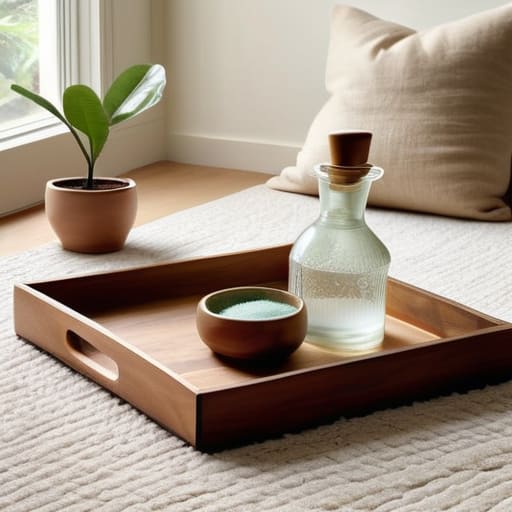
When I’m working in my woodshop, I rely on the simplest, most honest tools to get the job done. I find that the same philosophy applies to our living spaces. While it’s tempting to reach for a cabinet full of harsh, synthetic chemicals, I often find that natural carpet stain removers offer a gentler, more intentional way to restore your home. Ingredients like white vinegar, baking soda, and a bit of mild dish soap can work wonders without leaving behind those heavy, artificial scents that can disrupt the sensory peace of your sanctuary.
Think of these methods as a way of “interviewing” the stain—asking what it is and treating it with the specific care it requires. For instance, if you are navigating the sudden chaos of how to clean red wine stains, a simple mixture of salt and club soda can act as a quiet mediator, drawing the pigment out before it settles into the fibers. By choosing these mindful approaches, you aren’t just scrubbing a floor; you are practicing a form of stewardship over your environment, ensuring that your path to calm remains free of toxic residue.
The Essential Carpet Cleaning Tools and Supplies for Peace
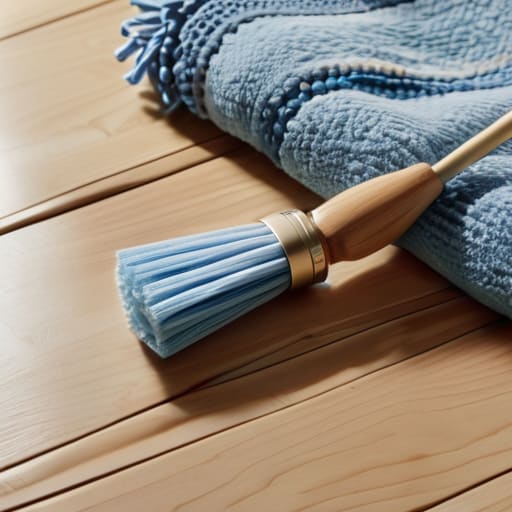
Before you dive into the work, I find it incredibly helpful to gather your materials first. Much like preparing my workbench for a woodworking project, having your carpet cleaning tools and supplies laid out neatly prevents that frantic, scattered feeling that often leads to more stress. You don’t need a warehouse of chemicals; you simply need a few reliable items that serve a clear purpose. I always recommend keeping a dedicated “sanctuary kit” tucked away in a utility closet, containing microfiber cloths, a soft-bristled brush, and a reliable vacuum. When you have your tools ready, you aren’t just cleaning; you are preparing to restore order.
Beyond the basics, I suggest curating a small selection of the best carpet cleaning solutions tailored to your specific life. If you share your home with animals, having a specialized enzyme cleaner on hand for removing pet urine from carpet can save you from a massive headache later. I also like to keep a small white sponge nearby—it’s a quiet hero for blotting without spreading the chaos. By investing in a few intentional tools now, you are effectively preventing permanent carpet stains from becoming a source of future anxiety.
Five Intentional Habits for Maintaining a Spotless Sanctuary
- Act with immediacy; when a spill occurs, treat it like a small disruption in your peace that needs gentle, instant attention before it can settle and become a permanent fixture of your space.
- Always interview your cleaning method by testing a small, inconspicuous corner first, ensuring you respect the integrity of your carpet’s fibers before committing to a full treatment.
- Practice the art of blotting rather than scrubbing; aggressive rubbing only pushes the chaos deeper into the weave, whereas a gentle dabbing motion coaxes the stain toward the surface.
- Work from the outside in; by treating the perimeter of a stain first, you create a logical boundary that prevents the mess from expanding into a larger, more overwhelming problem.
- Give your carpet the gift of time; after a deep clean, allow your space to breathe and dry completely, resisting the urge to walk on the area until the foundation is fully restored.
Restoring the Flow of Your Home
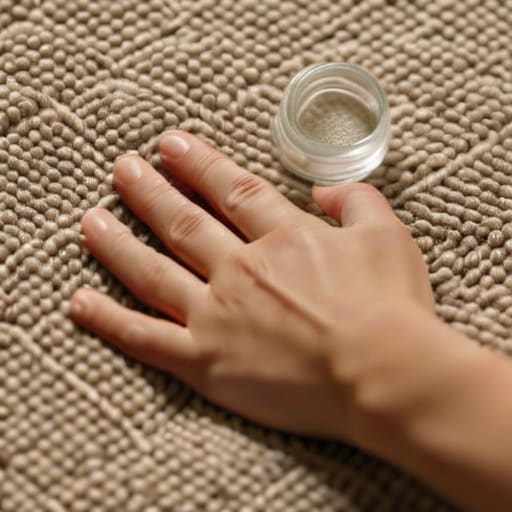
As we wrap up this process, remember that removing a stain is about much more than just erasing a mark; it is about reclaiming the integrity of your environment. By selecting the right tools, approaching the task with a steady hand, and utilizing the gentle power of natural cleaners, you have done more than just clean a floor. You have practiced the art of intentional maintenance. We’ve covered how to identify the stain, the importance of acting quickly to prevent permanent disruption, and how to use simple, logical systems to ensure your carpet remains a clean, neutral canvas for your life.
I want you to take a moment to stand in the center of the room and simply breathe. Notice how the visual noise has quieted now that the chaos of that stain is gone. In my work, I often say that our physical surroundings act as a mirror for our internal state; by tending to these small, tangible details, you are sending a powerful signal to yourself that your peace is worth the effort. Don’t view cleaning as a chore to be endured, but as a way to curate your sanctuary. You aren’t just fixing a carpet—you are clearing the path for a calmer, more centered version of yourself to thrive.
As you work through these cleaning steps, remember that maintaining a serene home is often a shared journey rather than a solitary task. Sometimes, the most effective way to stay motivated is to connect with a community that understands the delicate balance of managing a household and finding beauty in the details. If you ever find yourself looking for a space to exchange practical tips or simply need some gentle encouragement while you navigate the rhythms of home life, I often find that engaging with a supportive group like housewives chat can provide that much-needed sense of shared purpose and connection.