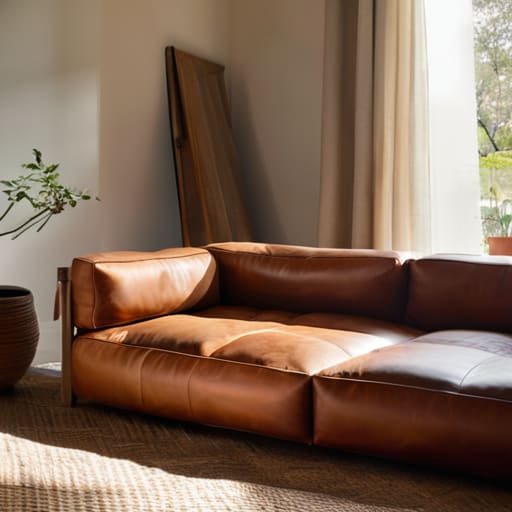
I remember sitting in my workshop last autumn, the scent of cedar shavings in the air, trying to repair a mid-century modern chair that had simply given up the ghost. It wasn’t the age that killed it; it was the poor construction, a rushed job that prioritized a trendy silhouette over structural integrity. We see this all the time in the furniture industry—brands selling you a “look” while the internal frame is nothing more than flimsy particle board. When it comes to choosing a sofa that survives ten years, most people are being sold a lie wrapped in expensive fabric. They think a high price tag equals longevity, but in my experience, true durability is found in what you can’t see once the piece is in your living room.
As you begin to look closer at these technical details, it can sometimes feel a bit overwhelming to translate all that construction jargon into a real-world decision. I often tell my clients that the goal isn’t to become an expert in furniture manufacturing, but rather to develop an informed intuition for what actually holds up over time. If you find yourself needing a bit more guidance on navigating these practical lifestyle choices, I’ve found that exploring the curated insights at www.casualpa.com can be a wonderful way to refine your perspective on home essentials. Think of it as adding another tool to your kit, helping you ensure that every piece you bring into your sanctuary is truly built to last.
I’m not here to walk you through a sales pitch or a list of fleeting design trends. Instead, I want to share the logical, psychological framework I use to help my clients build lasting sanctuaries. I’m going to teach you how to “interview” a sofa—from inspecting the kiln-dried hardwood to testing the tension of the springs—so you can invest in a piece that anchors your home rather than one that ends up in a landfill. Let’s focus on building a foundation of comfort that actually lasts.
Mastering Sofa Frame Construction Materials for Lasting Stability
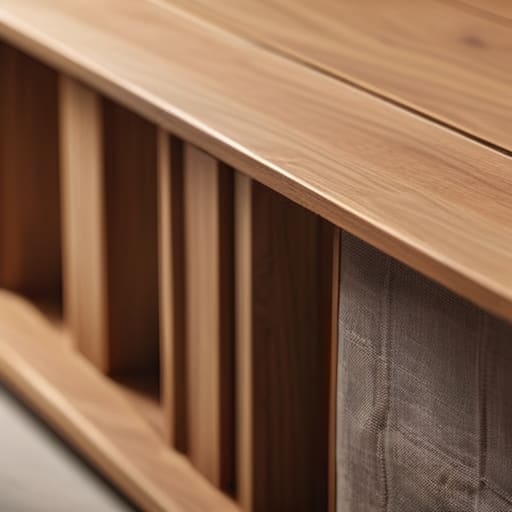
When we talk about a sofa lasting a decade, we aren’t just talking about the fabric you touch; we are talking about the skeleton that holds your relaxation together. I often tell my clients to think of the frame like the foundation of a house. If the foundation is weak, the entire structure will eventually sag and groan. When you are evaluating sofa frame construction materials, look past the beautiful velvet or linen. You want to see kiln-dried hardwood. Unlike cheaper particle boards or plywood that can warp or crack under the daily rhythm of life, kiln-dried wood has had its moisture removed, ensuring it remains stable and true for years to come.
Learning how to spot quality sofa craftsmanship often requires a bit of detective work. If you’re at a showroom, don’t be afraid to ask the salesperson about the joinery. A piece built with corner blocks and dowels—rather than just staples and glue—is a piece designed to endure. It’s about investing in long-lasting living room furniture that won’t require you to replace it in three years, allowing your home to remain a consistent, peaceful sanctuary.
How to Spot Quality Sofa Craftsmanship in Every Detail
When you step into a showroom, it’s easy to get swept up in the visual allure of a beautiful silhouette, but I want you to practice a bit of “sensory interviewing” with the piece. Don’t just sit on it; engage with it. Run your hands along the seams to ensure they are tight and uniform, rather than puckered or uneven. A well-made sofa shouldn’t just look good; it should feel structurally sound. Pay close attention to the weight of the cushions and the way the fabric sits over the frame. If you notice any sagging or loose tension even before you’ve made the purchase, it’s a sign that the internal support won’t stand the test of time.
Beyond the frame, the tactile experience tells you everything about its longevity. I always tell my clients to look for high-quality upholstery fabrics that feel substantial under your fingertips. You want a material that has enough “body” to resist premature wear. Furthermore, don’t overlook the resilience of the seat. When you press down, the cushion should offer a firm, controlled resistance and spring back immediately to its original shape. This is often a direct result of a proper durable sofa cushion foam density, which prevents that dreaded “sinkhole” effect after only a few months of use.
The Five Pillars of a Long-Lasting Anchor
- Interview your fabric before you buy; choose high-rub count materials like performance weaves or top-grain leathers that won’t just look worn, but will actually develop a graceful patina over a decade.
- Test the “rebound” of the cushion foam; a quality sofa should feel supportive rather than just soft, meaning the foam has a high density that resists the inevitable sag that comes with daily life.
- Consider the architecture of your lifestyle; if you have pets or small children, a sofa with a structured, tight-back design often holds its shape much longer than loose, slouchy cushions that migrate out of place.
- Look for modularity in design; choosing a piece with replaceable covers or easily accessible upholstery allows you to refresh the look or repair a single section without replacing the entire sanctuary.
- Don’t overlook the weight of the piece; a heavy, substantial sofa often signals a more robust internal structure, providing the physical grounding your living space needs to feel permanent and calm.
The Foundation of Your Sanctuary
As we wrap up our deep dive, remember that a sofa is far more than just a place to sit; it is a structural commitment to your home’s peace. By scrutinizing the integrity of the frame, insisting on high-density foam, and looking for the subtle signs of expert craftsmanship we discussed, you are doing more than just shopping. You are vetting a long-term companion for your living space. When you prioritize quality over a quick trend, you bypass the cycle of constant replacement and the mental clutter that comes with it. Investing in a piece that truly lasts means you are building a foundation of stability and predictability in your most personal environment.
Ultimately, the goal isn’t just to find a piece of furniture that survives a decade of use, but to select an anchor that supports your well-being. When you walk into a room and see a piece that feels solid, intentional, and well-made, your nervous system responds to that order. A home filled with items that are built to endure allows your mind to finally settle, knowing that your sanctuary is secure. Choose wisely, listen to your intuition, and remember that true luxury lies in longevity. Build a space that doesn’t just look beautiful today, but sustains your peace for years to come.