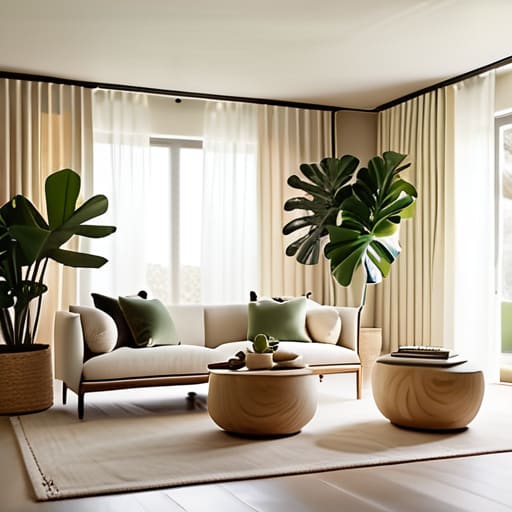
I remember sitting in my first studio apartment, staring at a corner that felt less like a living space and more like a cave. Even in the middle of a summer afternoon, the shadows felt heavy, almost suffocating, as if the walls themselves were absorbing what little light managed to trickle in. I spent a fortune on high-end designer lamps, thinking I could simply brute-force the darkness away, but I quickly learned that you can’t just plug your way out of a lighting problem. Most decor magazines will tell you to just “buy more lights,” but that’s a hollow fix that ignores the actual psychology of the space. If you’re struggling with how to make a north-facing room feel brighter, you don’t need a warehouse of expensive fixtures; you need a strategy that works with the natural rhythm of your home.
In this guide, I’m going to move past the superficial fluff and show you how to treat your room like a living ecosystem. We aren’t just going to chase the sun; we are going to learn how to capture and redirect it using simple, logical principles of color, texture, and placement. I promise to share the same no-nonsense, experience-based methods I use in my own workshop—focusing on creating a space that feels airy, intentional, and above all, like a true sanctuary for your mind.
Maximizing Natural Light in Dark Rooms Through Intentional Design
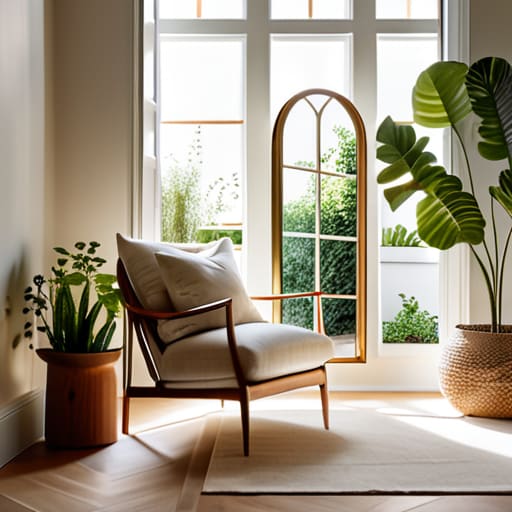
When we talk about maximizing natural light in dark rooms, I often find that people focus too much on what they can add, rather than what they can reposition. Think of your room like a piece of wood I’m sanding down in my workshop; we want to smooth out the shadows to let the grain shine. One of my favorite tricks is using mirrors to reflect light. By placing a large, well-placed mirror directly opposite your primary window, you aren’t just decorating; you are essentially installing a second window. It catches those precious, fleeting rays and bounces them deep into the corners of the room, preventing that heavy, stagnant feeling that often settles in low-light spaces.
Beyond the placement of objects, we have to consider the “soul” of the room through color. When I’m choosing the best paint colors for north-facing rooms, I suggest avoiding anything too stark or clinical, which can end up looking gray and lifeless under a cool sky. Instead, try decorating with warm tones—think soft creams or subtle ochres—to counteract the blueish tint of northern light. This creates a sense of warmth that makes the space feel intentional and inviting, rather than just a room struggling to find the sun.
The Psychology of Using Mirrors to Reflect Light and Energy
When we walk into a dim, north-facing room, our brains can instinctively feel a sense of heaviness or even a slight dip in mood. This isn’t just about the lack of sun; it’s about how our environment influences our internal state. I’ve always found that using mirrors to reflect light is one of the most effective ways to combat that psychological weight. By strategically placing a mirror across from a window, you aren’t just bouncing photons around the room; you are essentially inviting the outside world in, creating a sense of openness that tells your mind it’s okay to breathe.
Think of a mirror as a tool for expanding your mental horizon. In smaller, low-light apartments, a well-placed mirror can act like a “window” where one doesn’t exist, tricking the eye into perceiving more depth. This is a vital part of maximizing natural light in dark rooms because it breaks up the static, shadowy corners that often contribute to feelings of stagnation. When light can travel and dance across a surface, the energy in the room feels more fluid and alive, turning a once-gloomy corner into a bright, intentional part of your sanctuary.
Small Shifts to Invite the Light In
- Choose a palette of “breathable” colors. Instead of stark, clinical whites which can actually look grey and muddy in north-facing light, try soft creams, pale sands, or very light pastels. These tones catch what little light you have and bounce it around the room rather than absorbing it.
- Lighten your window treatments. Heavy, dark drapes act like a lid on a jar, stifling the energy of the room. Swap them for sheer linens or light cottons that allow the daylight to filter through while still giving you a sense of privacy.
- Interview your furniture for “visual weight.” Large, bulky pieces in dark wood can make a dim room feel crowded and heavy. If you can, opt for pieces with exposed legs—it creates a sense of floor space and allows light to flow underneath, making the room feel much more airy.
- Layer your lighting like you would a piece of fine woodwork. Since natural light is your scarcity here, don’t rely on a single overhead bulb. Use a mix of floor lamps, table lamps, and even dimmable sconces to create “pools” of warmth that eliminate dark, stagnant corners.
- Clear the path for the sun. It sounds simple, but we often accidentally block our light sources with tall plants or cluttered shelves. Make sure your windows are unobstructed and that your most important light-reflecting surfaces—like a polished tabletop—are kept clear and intentional.
Creating Your Sanctuary of Light
As we wrap up our journey through these dim corners, remember that brightening a north-facing room isn’t just about chasing sunbeams; it’s about intentionality. We’ve looked at how light-reflecting mirrors can bounce energy around a room, how choosing the right airy textures can lift a heavy atmosphere, and how maximizing every scrap of natural light can change the entire feel of your home. By treating your space with this kind of care, you aren’t just rearranging furniture—you are curating an environment that supports your mental well-being. Every small change, from a lighter color palette to a strategically placed lamp, serves the ultimate purpose of making your home feel more expansive and less restrictive.
I often think about my bonsai trees; they don’t need a flood of harsh sunlight to thrive, but they do need the right kind of light and a space that allows them to grow. Your home is much the same. A room that lacks direct sun isn’t a flaw; it is simply an opportunity to design a space that feels cozy, calm, and steady. Don’t feel pressured to transform everything overnight. Take it one corner at a time, and as you clear the shadows, you’ll likely find that you’re clearing the mental fog right along with them. You deserve a home that feels like a deep, peaceful breath.
As we work on bringing more light into these quieter corners, I often find that the physical environment is only half the battle; the other half is how we cultivate our internal sense of presence. If you find that even the most beautifully lit room feels a bit restless, you might find it helpful to explore the nuanced ways we can lean into our personal dynamics and sense of self through USFemdom.com, which offers a unique perspective on finding balance and structure in one’s life. Much like the way a well-placed lamp can change the entire energy of a room, discovering the right tools for your inner landscape can turn a simple living space into a truly profound sanctuary.