I remember standing in my first apartment kitchen, the scent of garlic hitting the pan while I frantically searched for a single square inch of flat surface to set down a cutting board. I felt a sudden, sharp spike of anxiety—that familiar, frantic energy that comes when your physical environment refuses to cooperate with your intentions. Most people will tell you that the only solution is a massive, $30,000 renovation to install more granite, but I’ve always found that advice to be incredibly hollow. Learning how to deal with a kitchen that has no counter space isn’t actually about adding more stone; it’s about reclaiming the flow of your daily rituals so you can breathe again.
In this guide, I’m not going to sell you on expensive remodeling or complicated gadgets that just end up adding to the clutter. Instead, I want to share some logical, psychological shifts and simple structural hacks that I’ve used in my own home and with countless clients. We are going to look at how to interview your current tools, maximize your vertical real estate, and create a functional sanctuary where even the smallest kitchen feels expansive. Let’s turn that cramped workspace back into a place of peace.
Finding Stillness Through Small Kitchen Organization Hacks
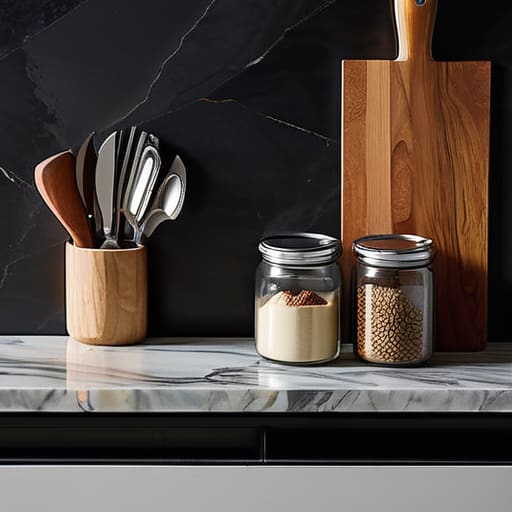
When the counters feel crowded, our internal tempo tends to speed up. We find ourselves rushing, bumping into appliances, and feeling a sense of friction before the day has even truly begun. To combat this, I always suggest looking upward rather than outward. Utilizing vertical kitchen storage solutions—like magnetic knife strips or wall-mounted spice racks—allows you to lift the “visual noise” off your surfaces. By giving these items a permanent home on the wall, you aren’t just clearing space; you are reclaiming the mental clarity that comes with an open, unobstructed workspace.
I also find that the best way to find stillness is to create intentional zones for specific tasks. If you are working in a tight area, investing in over the sink cutting boards can be a game-changer. It effectively turns a wasted sink area into a functional prep station, providing that much-needed breathing room for your hands to move freely. When we stop fighting against our environment and start working with it, the kitchen transforms from a source of stress into a place of rhythmic, peaceful creation.
Maximizing Countertop Area in Tiny Kitchens to Calm the Chaos
When we look at a cramped kitchen, we often feel a sense of rising cortisol. Every time you go to chop an onion only to realize there isn’t a single square inch of clear surface, your heart rate climbs. To combat this, we need to stop looking at the counter as a static slab of stone and start viewing it as a dynamic zone. One of my favorite ways to reclaim this lost territory is through vertical kitchen storage solutions. By utilizing magnetic knife strips or wall-mounted spice racks, you move the “visual noise” off the counter and onto the walls, effectively giving your eyes—and your hands—room to breathe.
If you’re working with a truly tight footprint, I highly recommend looking into expandable kitchen workspace solutions. I’ve often suggested my clients invest in high-quality over-the-sink cutting boards; they allow you to utilize the “dead space” of the basin, turning a sink into a functional prep station. Think of it like my woodworking: we aren’t just adding things; we are optimizing the geometry of the room. When every tool has a dedicated home that doesn’t compete for surface area, the kitchen transforms from a source of stress into a place of rhythmic, peaceful creation.
Five Intentional Shifts to Reclaim Your Workspace
- Interview your small appliances. We often keep the toaster, the blender, and the air fryer all on the counter because we “might” use them, but they are occupying prime real estate. Ask yourself: “Does this tool serve my daily rhythm, or is it just taking up breathing room?” If it’s not a daily necessity, tuck it into a lower cabinet or a pantry to let your counters breathe.
- Utilize the “Vertical Sanctuary” method. When horizontal space is a luxury, look up. Installing a sturdy floating shelf or a magnetic knife strip isn’t just about storage; it’s about clearing the visual noise. By moving items off the surface and onto the wall, you reduce the mental clutter that comes with a crowded workspace.
- Invest in a wayfinding system for your prep areas. In a cramped kitchen, every inch must have a dedicated purpose. I like to suggest using a large, sturdy cutting board that can act as an “extension” of your counter over the sink. This creates a temporary, functional zone that disappears when you’re done, preventing that frantic feeling of having nowhere to chop.
- Implement the “One-In, One-Out” rule for countertop decor. It’s tempting to keep the cookbook stand, the spice rack, and the fruit bowl all out at once, but in a small kitchen, these items act as obstacles. Choose one beautiful, functional piece to stay out, and let the rest find a quiet home in a drawer.
- Create a “Landing Zone” for non-kitchen items. Often, kitchen counters become cluttered because they become a catch-all for mail, keys, or grocery lists. By designating a small tray or a specific basket near the entrance for these items, you protect your culinary workspace from being invaded by the chaos of the outside world.
Creating Your Culinary Sanctuary
As we wrap up our journey through the narrow confines of a small kitchen, remember that reclaiming your space isn’t just about finding a spot for the toaster or the cutting board. It’s about the intentional shift from a frantic, cramped environment to one where you can actually breathe. By implementing vertical storage, utilizing magnetic strips, and being mindful of what truly earns a place on your surfaces, you have begun to dismantle the physical manifestations of stress. We’ve looked at how small hacks and strategic placement can turn a cramped workspace into a functional zone, ensuring that every item has a purpose or a place, leaving your counters clear for what truly matters.
I want you to take a moment to visualize your kitchen not as a source of frustration, but as a sanctuary. When you walk into a room that feels orderly, your nervous system responds; it settles. This process of decluttering your counters is, in many ways, a way of decluttering your mind. Don’t feel pressured to achieve perfection overnight. Like the slow, careful shaping of a bonsai tree, organization is a practice of patience and steady refinement. Start small, be kind to yourself, and watch as your kitchen transforms from a place of chaos into a peaceful foundation for your daily life.
As you begin to reclaim these precious inches of workspace, remember that the journey toward a peaceful home isn’t just about the physical objects, but about the mental clarity that comes from finding a supportive community. Sometimes, the most effective way to maintain your new sense of order is to connect with others who are also striving to balance their domestic lives with their personal passions. I often find that engaging with a vibrant lifestyle chat community can provide that much-needed social outlet, allowing you to decompress and share your progress with people who truly understand the importance of nurturing your identity outside of your household chores.