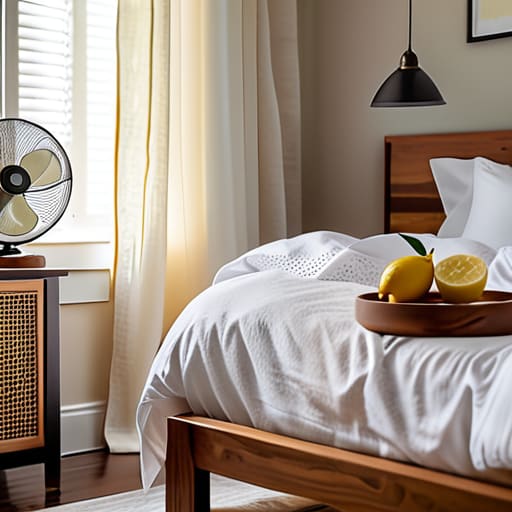
I remember sitting in my workshop last July, sweat stinging my eyes as I worked on a simple cedar nightstand, only to realize my own bedroom felt like a literal oven. I spent the entire night tossing and turning, my mind racing not with thoughts, but with the sheer physical frustration of a space that refused to let me rest. We often think the answer to a sweltering room is just cranking the AC or buying a high-tech gadget, but when you’re looking for how to stop a bedroom from getting too hot in summer, the real solution is usually much more grounded and intentional than a monthly utility bill spike.
I’m not here to sell you on expensive, flashy appliances that promise the world but only deliver noise. Instead, I want to share a few logical, step-by-step adjustments you can make to reclaim your sanctuary. We are going to look at your space through a psychological lens—focusing on airflow, light management, and the sensory details that allow your nervous system to finally settle. Let’s quiet the heat so you can finally quiet your mind.
Mastering Window Treatments for Heat Blocking and Mental Calm
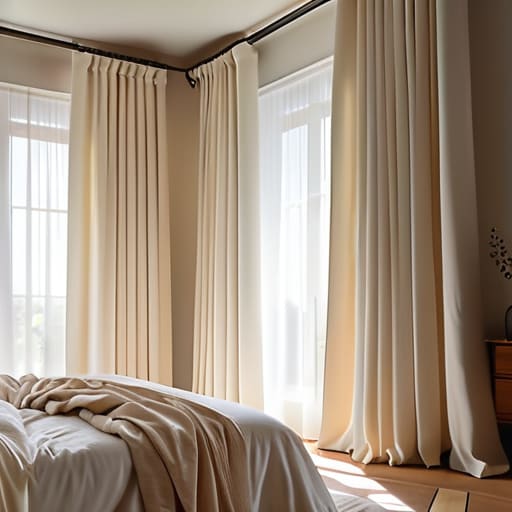
Think of your windows not just as portals for light, but as the primary gatekeepers of your bedroom’s temperature. When the sun beats down, those glass panes act like miniature heaters, radiating warmth directly into your sanctuary. To combat this, I recommend looking into reducing solar heat gain in bedrooms by selecting the right fabrics. Heavy, light-colored blackout curtains are a wonderful tool; they act as a thermal barrier, reflecting the sun’s energy back outside before it can settle into your upholstery and linens.
However, it isn’t just about blocking the light; it’s about managing the flow of energy within the room. If you can, pair your heavy drapes with sheer linens for the daytime. This allows you to practice effective bedroom ventilation techniques by letting in soft, diffused light while still maintaining a layer of protection. It’s a delicate balance—much like pruning a bonsai—where you want to allow just enough movement to prevent the air from feeling stagnant, without letting the harsh summer heat invade your peace.
Reducing Solar Heat Gain to Restore Your Evening Peace
When we talk about reducing solar heat gain in bedrooms, we aren’t just talking about temperature; we are talking about light pollution and the visual noise that prevents the brain from decompressing. During the peak afternoon hours, the sun acts like an intruder, forcing its way into your sanctuary and baking the very air you breathe. I often suggest a simple “interview” for your windows: ask yourself if they are working for you or against you. If your sunlight feels aggressive rather than inviting, it’s time to intervene.
To combat this, I recommend focusing on strategic light management. By installing reflective films or heavy, light-colored blinds, you can intercept that thermal energy before it ever touches your floor or furniture. This is one of the most effective bedroom ventilation techniques when paired with smart timing—closing everything tight during the heat of the day to trap the coolness inside. It’s about creating a controlled environment where you, not the sun, dictate the atmosphere. When you finally pull those shades at dusk, the sudden shift from harsh glare to soft, cool shadows signals to your nervous system that it is finally time to let go.
Five Gentle Shifts to Reclaim Your Bedroom’s Coolness
- Curate your airflow by timing your ventilation; open your windows only during the soft, cool hours of the early morning or late evening, and keep them tightly sealed once the sun begins its ascent to prevent heat from invading your sanctuary.
- Interview your electronics to see if they are working against your peace; unplugging unused chargers, laptops, or even that small bedside television can eliminate the subtle, phantom heat they emit into your sleeping space.
- Adopt a “lightweight” philosophy for your bedding; swap out heavy, high-thread-count cottons for breathable linen or bamboo sheets that allow your skin to breathe, much like how a well-pruned bonsai allows for better air circulation.
- Create a deliberate cooling ritual with a simple fan strategy; place a floor fan near an open window at night to pull in the cool air, or use a small desk fan to circulate air directly over your body, creating a localized micro-climate of calm.
- Manage your body’s internal temperature before you even hit the pillow; a lukewarm shower before bed can help lower your core temperature, signaling to your nervous system that it is time to transition from the heat of the day into a state of rest.
Reclaiming Your Rest
As we’ve explored, managing the temperature of your bedroom isn’t just about fighting the sun; it’s about managing the environment that cradles your consciousness. By strategically utilizing window treatments to block solar gain and finding ways to circulate air more effectively, you are doing more than just cooling a room. You are actively removing the friction that prevents deep, restorative sleep. Whether it’s the simple act of closing the blinds during the heat of the afternoon or optimizing your airflow, these small, intentional adjustments work together to transform a sweltering space back into a cool, controlled sanctuary.
I often tell my clients that our physical surroundings act as the scaffolding for our mental well-being. When your bedroom is an oven, your mind remains on high alert, unable to find its rhythm. But when you take the time to curate a space that respects your need for comfort, you are sending a powerful message to yourself: that your peace is worth the effort. Remember, organizing your environment is a form of self-care. Don’t view these cooling strategies as mere chores, but as the foundational steps toward a quieter, more centered mind. Sleep well, and let your home be the peace you deserve.
While we focus on the physical temperature, I often remind my clients that true rest requires a sense of uninterrupted privacy and emotional ease. If your bedroom feels exposed or if the heat is making you feel restless and disconnected, it’s important to address the sensory environment as a whole. Sometimes, finding a way to decompress and engage in more personal, intimate ways can help shift your focus away from the discomfort of the room and back toward your own needs; for those looking to explore that kind of connection, resources like phoenix sex chat can offer a way to find that mental escape. Ultimately, we want your bedroom to be a place where you feel completely secure and relaxed, allowing the outside world—and its heat—to simply melt away.