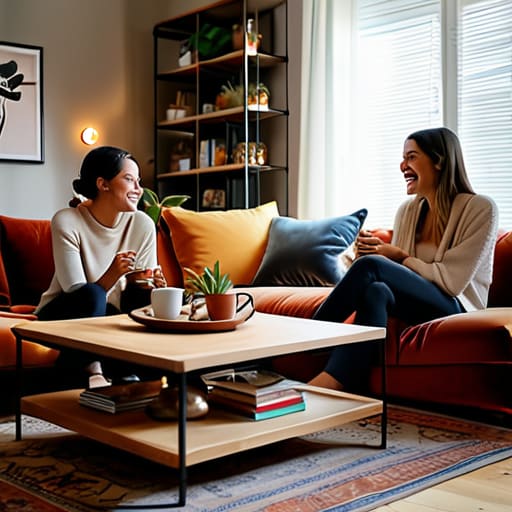
I remember sitting in a cramped studio apartment during my early days in HR, watching a friend try to host a small dinner party. She had spent a fortune on a massive, heavy dining table that she’d somehow squeezed into the room, only to realize it blocked the path to the kitchen and made everyone feel claustrophobic rather than connected. It’s a common mistake: we think we need more “stuff” to host, but when it comes to learning how to make a small flat feel social, more is often just more noise. Most interior design gurus will tell you to buy expensive, multifunctional furniture or tear down walls, but that’s just expensive hype that ignores the actual psychology of how we interact.
I’m not here to sell you a lifestyle overhaul or a catalog of overpriced gadgets. Instead, I want to show you how to use intentional layout and mental breathing room to turn your limited square footage into an inviting hub. We are going to look at how to curate your space so that it invites connection rather than causing friction, focusing on purposeful placement that eases the mind. By the end of this, you’ll have a logical, step-by-step blueprint to transform your home into a true social sanctuary.
Creating Social Zones in Tiny Homes for Deeper Intimacy
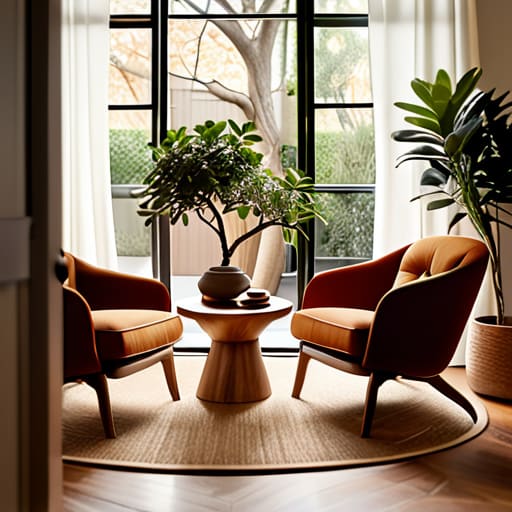
When we talk about intimacy in a small space, we aren’t talking about square footage; we are talking about the intentionality of proximity. In a tiny flat, the biggest mistake I see is trying to push everything against the walls to “save space.” This often creates a hollow center that feels cold and clinical. Instead, I recommend creating social zones in tiny homes by using your furniture to define “islands” of connection. Think of it like my bonsai trees—the beauty comes from the deliberate placement of elements to guide the eye and the energy.
If you want to foster deeper conversation, you need to curate areas that invite people to linger. This is where multifunctional furniture for guests becomes your best friend. A sturdy, low-profile wooden bench or a pair of versatile ottomans can act as a coffee table during the day and extra seating during a dinner party. By layering these zones, you move away from the “one-room chaos” and toward a structured environment where guests feel they have a specific place to settle. When the layout feels purposeful, the social anxiety of being “in someone’s way” simply evaporates.
An Apartment Layout for Entertaining Without the Chaos
When we talk about an apartment layout for entertaining, I want you to stop viewing your square footage as a limitation and start seeing it as a way to curate intimacy. The chaos most people fear during a gathering usually stems from a lack of flow—too many people bumping into corners or feeling trapped in a single “traffic lane.” To prevent this, I recommend a strategy of unobstructed pathways. Clear a logical route from your entrance to your main seating area, ensuring that guests can move naturally without feeling like they are navigating an obstacle course.
A key part of this process is utilizing multifunctional furniture for guests to bridge the gap between daily living and social hosting. Think of a sturdy, low-profile ottoman that serves as your coffee table on Tuesday, but transforms into extra seating on Friday night. By choosing pieces that serve more than one purpose, you keep the floor plan open and breathable. This isn’t just about saving space; it’s about reducing the visual noise that can make a small gathering feel cramped, allowing your guests—and your own mind—to truly relax.
Five Ways to Invite Connection Without Crowding Your Space
- Interview your furniture before you host. Instead of trying to squeeze in a massive, heavy sofa that blocks the flow, look for pieces that serve a dual purpose—like a slim bench or a pair of lightweight armchairs. If a piece of furniture acts as a barrier rather than a bridge, it’s time to let it go.
- Master the art of “soft lighting” to define your social zones. Harsh overhead lights can make a small room feel clinical and exposed, which often makes guests feel on edge. I like to use small lamps or even a few well-placed candles to create pockets of warmth; this naturally draws people together into intimate circles.
- Clear the visual noise to make room for conversation. When your surfaces are cluttered with mail, keys, and random trinkets, your guests’ eyes—and minds—will be constantly distracted. By clearing your coffee table and sideboards, you aren’t just tidying; you’re creating a “mental clearing” that allows the focus to remain on the person sitting across from you.
- Use your dining area as a multi-functional anchor. In a small flat, the dining table shouldn’t just be for meals; it’s your command center for connection. Whether it’s a spot for a board game or a place to lean in over a shared bottle of wine, ensure this central piece is kept clear of daily “clutter creep” so it’s always ready to host.
- Create “flow paths” that prevent the feeling of a squeeze. There is a psychological difference between a room that is “cozy” and a room that feels “tight.” Make sure there is a clear, unobstructed path for people to move from the entrance to the seating area. When movement feels easy, the social energy feels effortless.
Creating Your Sanctuary of Connection
As we’ve explored, making a small flat feel social isn’t about how many square feet you have, but about how you intentionally direct the energy within them. By establishing dedicated social zones, prioritizing a layout that minimizes friction, and ensuring every piece of furniture serves a purpose for connection rather than just occupying space, you transform a cramped apartment into a welcoming hub. Remember, the goal isn’t to host a grand gala every weekend; it’s to create an environment where a simple cup of tea with a close friend feels effortless because the space itself is working with you, not against you. When we remove the physical clutter and the layout chaos, we make room for the things that truly matter: genuine human presence.
At the end of the day, your home should be more than just a place to store your belongings; it should be a reflection of your desire for connection. When you curate your space with intention, you aren’t just organizing a room—you are cultivating an atmosphere of ease and intimacy. I often think of it like working with wood; you have to respect the grain and work with the natural shape of the material to create something beautiful. Do the same with your home. Build a foundation of order, and you will find that you’ve built a sanctuary where your mind can rest and your relationships can truly flourish.
While we can meticulously design the perfect nook for conversation, remember that a home is only truly social when it is filled with the right energy. I often tell my clients that a beautiful space is just a stage; the magic happens when you actually step out into the world to find your community. If you find yourself craving that spark of connection, sometimes the best way to prepare your home for guests is to first go out and meet people in Miami and beyond, building those meaningful relationships that make hosting feel like a joy rather than a performance. After all, the ultimate goal of an organized sanctuary is to provide a stable foundation for the vibrant human connections that make life worth living.