I remember sitting in my old corporate office, the hum of fluorescent lights buzzing overhead like a headache that wouldn’t quit, while my phone pinged incessantly with notifications. I realized then that I didn’t just need a better desk; I needed a boundary. Most people think that learning how to create a corner for reading and calls requires a massive renovation or a designer’s budget, but that’s a complete myth. In reality, you don’t need a sprawling home office to find peace; you just need a small, intentional pocket of space that tells your brain, “It is time to focus now.”
In this guide, I’m going to skip the expensive interior design fluff and get straight to the psychological fundamentals of spatial organization. I’ll show you how to select a spot that serves a dual purpose—a place where you can lose yourself in a book, yet remain professional and composed when a call comes in. We aren’t just moving furniture around; we are designing a mental reset button. By the end of this, you’ll have a practical, step-by-step blueprint for building a sanctuary that actually works for your lifestyle.
Mastering Small Space Home Office Ideas for Mental Clarity
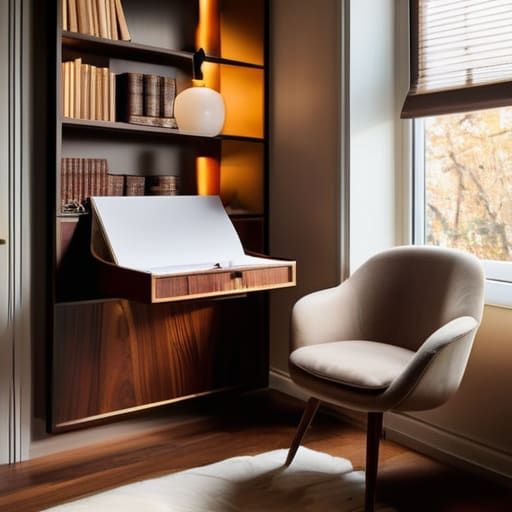
When we’re working with limited square footage, the temptation is to spread our belongings across every available surface. But in my experience, a cluttered desk is often just a physical manifestation of a cluttered mind. To find true mental clarity, we have to look toward multifunctional furniture for small apartments. I often suggest a slim, wall-mounted desk or a sturdy writing bureau that can be closed at the end of the day. This allows you to physically “shut down” your work mode, preventing those lingering professional anxieties from bleeding into your evening relaxation.
It isn’t just about the footprint of the furniture, though; it’s about the sensory environment. If you’re using this corner for both deep reading and professional video calls, you need to balance warmth with functionality. I recommend investing in adjustable lighting for reading and video calls—something that provides a soft, amber glow for your novels, but can shift to a crisp, clear light when you need to look professional on screen. By being intentional with these small details, you aren’t just saving space; you are curating an atmosphere that supports both your productivity and your peace.
Designing Cozy Reading Nook Decor to Calm the Soul
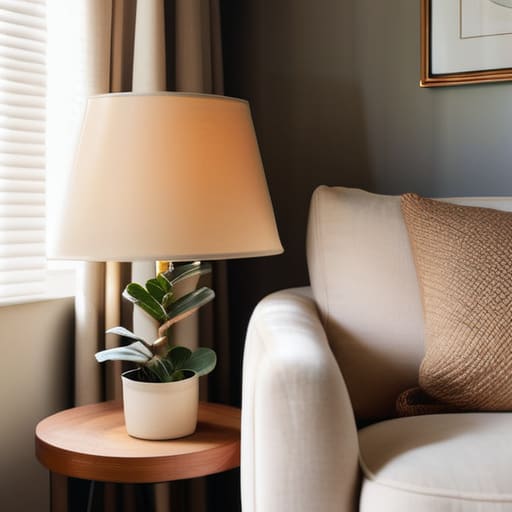
When we talk about decor, I want you to move away from the idea of “filling a space” and instead think about curating an atmosphere. To truly design cozy reading nook decor that serves your mental well-being, we need to appeal to the senses. I often suggest starting with texture; a soft, weighted throw or a linen cushion can act as a physical signal to your nervous system that it is time to decompress. When you choose items, I want you to interview them: Does this lamp add warmth, or is it merely taking up space?
Lighting is perhaps the most vital element in bridging the gap between a quiet retreat and a functional workspace. You’ll want to find a balance of soft, ambient light for your reading hours and clear, flattering lighting for reading and video calls during your professional moments. I find that a well-placed floor lamp with a dimmable warm bulb provides that perfect transition. By layering your light, you aren’t just illuminating a corner; you are defining its purpose through the glow.
Five Intentional Steps to Ground Your New Corner
- Interview your furniture. Before you buy a new chair or desk, ask yourself: “Does this piece serve my peace, or is it just taking up space?” Choose a chair that supports your posture during a long call but feels soft enough to curl into when you’re lost in a chapter. Every object here must earn its place.
- Define your sensory boundaries. To separate this corner from the rest of your living space, use a small area rug or a soft floor lamp. This creates a visual “container” for the activity, signaling to your brain that once you step onto that rug, you are officially in a different headspace.
- Curate a “one-touch” supply system. Clutter is just a collection of decisions you haven’t made yet. Keep your essentials—a notebook, a pen, your charger—in a small, beautiful tray or a single basket. If it doesn’t have a designated home within your nook, it doesn’t belong in the nook.
- Optimize your acoustic environment. Since this space serves both reading and calls, consider how sound moves. A few soft elements, like a heavy curtain or a textured throw pillow, won’t just look cozy; they will actually absorb echoes, making your voice sound clearer on calls and your reading time feel more insulated from the world.
- Light with intention. Avoid the harsh, overhead “big light” at all costs—it triggers a stress response we don’t need. Instead, layer your lighting. Use a focused task lamp for reading and a warm, dimmable ambient light for your calls. It’s about controlling the atmosphere to match your mental state.
Finding Your Center in the Quiet Moments
As we’ve explored, creating this dual-purpose corner isn’t about buying the most expensive armchair or the sleekest desk; it’s about the intentionality behind the placement. By blending the functional requirements of a professional call space with the soft, sensory comforts of a reading nook, you are essentially building a bridge between your productivity and your peace. Remember to prioritize ergonomic support for those long calls, while layering in textures like a soft throw or a warm lamp to invite that sense of calm when you finally close your laptop. When every item in this space has a clear purpose and a dedicated place, you remove the visual noise that often leads to mental fatigue.
At the end of the day, this corner is more than just a layout in your floor plan—it is a physical manifestation of your commitment to self-care. In a world that constantly demands our attention, having a small, curated sanctuary allows you to reclaim your focus and your breath. I want you to look at this space not as another task on your to-do list, but as a gift you are giving to your future self. Build it slowly, refine it with patience, and let it become the place where your mind finally feels at home.
While setting up your physical space is a vital first step, remember that a true sanctuary also requires a sense of connection to the world outside your walls. Sometimes, the most effective way to decompress after a long day of reading or a heavy series of calls is to engage in meaningful, low-pressure social interaction. I often suggest my clients find a way to bridge that gap between solitude and community; for instance, finding a welcoming Ontario chat community can provide that much-needed social outlet without the overwhelming noise of the traditional digital world. It’s about finding that perfect balance—having a quiet corner to retreat to, while still feeling deeply connected to a community that understands you.