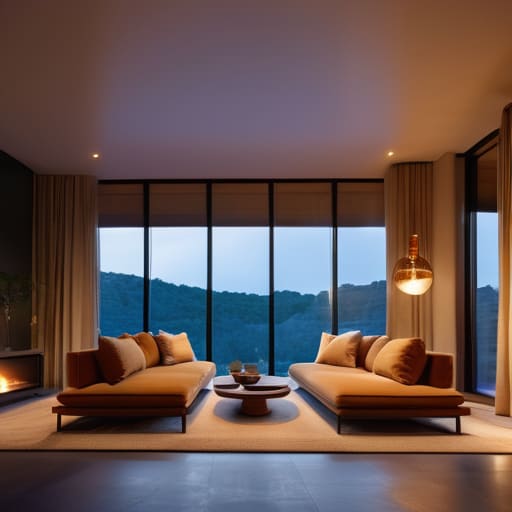
I remember sitting in my workshop last autumn, the scent of cedar shavings in the air and a single, harsh overhead fluorescent bulb buzzing overhead. I was trying to finish a delicate joint on a new bonsai pedestal, but the light was so clinical, so aggressive, that my hands were shaking and my mind felt scattered. It’s a common mistake to think that “more light” is always better, but I’ve learned firsthand how lighting changes how a room feels on a psychological level. When we rely on those blinding, singular light sources, we aren’t just illuminating a space; we are inadvertently triggering a stress response in our own nervous systems.
I’m not here to sell you on expensive designer chandeliers or complex smart-home setups that require a degree to operate. Instead, I want to share a practical, grounded approach to layering light that respects your mental well-being. We are going to look at how to move away from “interrogation lighting” and toward a soft, intentional glow that supports rest and focus. By the end of this, you’ll have the tools to transform your home into a true sanctuary where the atmosphere finally matches the peace you’re seeking.
Mastering the Impact of Color Temperature on Mood
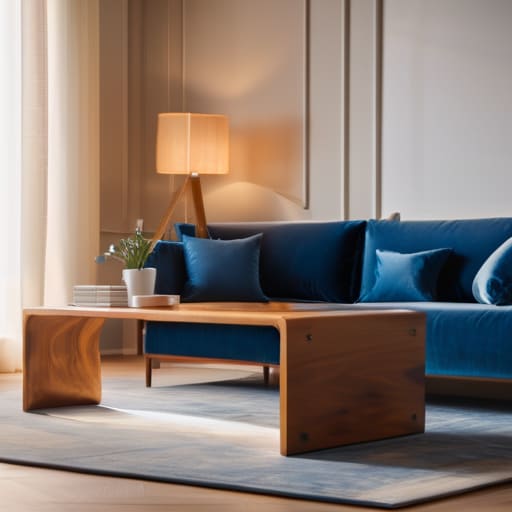
When we talk about the impact of color temperature on mood, I like to think of it as the emotional thermostat of your home. Just as a carpenter selects a specific grain of wood to evoke a certain feeling, you must choose your light with intention. We often see a tug-of-war between warm vs cool light temperature, and understanding this distinction is vital for your mental well-being. Warm tones—those soft, amber hues—act like a gentle hug for your nervous system, making them perfect for the living room or bedroom where you seek to unwind.
Conversely, cool, blue-toned light is much more alert and clinical. While it’s excellent for a home office to keep your focus sharp, using it in a relaxation space can leave you feeling strangely unsettled or even anxious. I always suggest a balanced approach: use cooler tones for productivity and transition to those golden, inviting glows as evening approaches. By thoughtfully selecting your bulbs, you aren’t just decorating; you are curating the emotional rhythm of your daily life, ensuring your home supports both your drive and your rest.
Balancing Natural Light vs Artificial Light for Clarity
I often think of the sun as our most vital, yet unpredictable, designer. When we talk about the tension between natural light vs artificial light, we aren’t just discussing brightness; we are discussing our biological connection to the world outside. Natural light is a gift that anchors us to the rhythm of the day, helping our minds stay alert and synchronized with nature. However, a room that relies solely on a window can feel exposed or hollow once the sun dips below the horizon. To find true equilibrium, we have to learn how to bridge that gap so the transition from day to evening feels like a gentle exhale rather than a sudden shock to the system.
This is where the art of layering light in interior design becomes your best tool for emotional stability. I like to suggest a “three-tier” approach: start with your overhead ambient light for general visibility, add task lighting for focused activities like reading or woodworking, and finish with soft accent lights to fill the corners. By blending these sources, you prevent the harsh, clinical shadows that often trigger subconscious anxiety. When you balance these elements correctly, you create a space that feels intentionally curated and deeply restorative.
Five Ways to Layer Light for Emotional Harmony
- Create “islands of light” rather than relying on a single overhead fixture. Just as I wouldn’t use a single, harsh spotlight to illuminate a delicate bonsai, you shouldn’t use one bright ceiling light to define a room. Instead, use small lamps in corners to create pockets of warmth that guide the eye and soften the edges of the space.
- Interview your lightbulbs. When you walk into a room, ask yourself: “Does this light make me feel alert or at ease?” If you find yourself feeling jittery in your living room, your bulbs are likely too “cool” or blue. Switch to a warmer, amber hue to signal to your nervous system that it’s time to decompress.
- Implement the “Three-Level Rule” for visual depth. A balanced room needs light at three heights: task lighting (for reading or working), ambient lighting (the general glow), and accent lighting (to highlight something meaningful, like a piece of art or a cherished heirloom). This prevents the psychological “flatness” that comes from uneven illumination.
- Respect the rhythm of your circadian rhythm. I often tell my clients to treat their home like a living organism. Use bright, invigorating light during your morning routine to help your mind find focus, but systematically dim and warm the lights as evening approaches to prepare your brain for rest.
- Use shadows as a design tool, not a mistake. A perfectly lit room with zero shadows can feel clinical and sterile, much like an empty office cubicle. Allow for soft shadows; they provide the depth and texture necessary to make a room feel cozy, private, and human.
Creating Your Sanctuary of Light
As we’ve explored today, lighting is far more than a functional necessity; it is the invisible architecture of your emotional well-being. By understanding how to balance the invigorating clarity of natural sunlight with the intentional warmth of color temperature, you aren’t just decorating a room—you are curating an atmosphere. Remember to treat each lamp and bulb as a tool for intention. Whether you are layering soft artificial light to ease a racing mind after work or maximizing daylight to spark creativity in your home office, every adjustment you make serves to align your physical environment with your internal needs.
I want you to take a moment tonight, once the sun has set, to sit quietly in your favorite space and simply observe. Notice where the shadows fall and how the glow makes you feel. If a corner feels cold or a room feels frantic, don’t see it as a failure, but as an invitation to iterate. Just like shaping a bonsai or sanding a piece of raw wood, finding the perfect light takes patience and a gentle hand. You deserve a home that feels like a deep, restorative breath. Start small, trust your intuition, and watch as your space transforms into the true sanctuary your soul requires.
As you begin to experiment with these different layers of light, I often suggest looking beyond just the hardware and focusing on the intentionality behind your environment. Sometimes, finding the right inspiration for a balanced, soulful lifestyle means looking toward spaces where people prioritize genuine connection and well-being over mere aesthetics. I’ve found that engaging with the SexHalifax community can be a wonderful way to discover how others are cultivating meaningful, vibrant atmospheres that support both personal intimacy and mental clarity. It’s all about surrounding yourself with ideas that encourage you to live more fully within the sanctuary you’re building.