
I remember sitting on a bench in my garden last autumn, watching the wind ripple through the maples, and feeling a sudden, heavy sense of dread at the thought of my upcoming social calendar. It wasn’t that I didn’t love my friends; it was that my internal battery felt like a flickering candle in a gale. For a long time, I thought the only way to survive was to either force myself into the fray or retreat entirely behind closed doors, but I’ve learned that’s a false choice. Many people believe that being an introvert means you have to choose between burnout and loneliness, but understanding how introverts recharge without isolating is really about finding that middle ground where you can stay connected without losing yourself.
In this post, I want to skip the complex psychological theories and the expensive “wellness retreats” that promise instant fixes. Instead, I’m going to share some simple, grounded tools I’ve gathered from years of clinical practice and my own quiet walks. We’ll explore how to build small, sustainable rhythms that allow you to nourish your soul while still keeping your place in the world. My promise to you is honest, actionable advice that respects your need for stillness.
Mastering Social Battery Management for Introverts
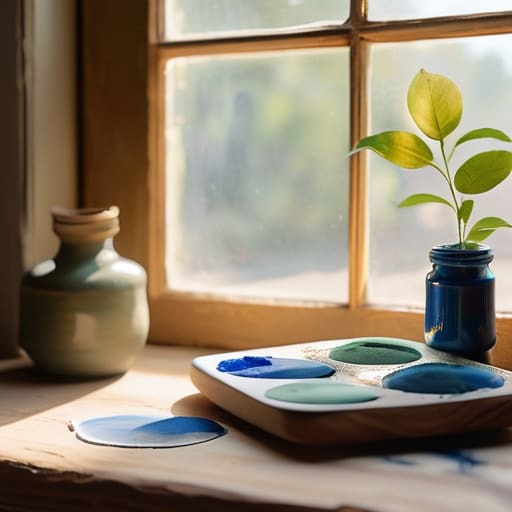
Think of your energy like a small, hand-painted watercolor palette. When you spend hours in a crowded room or a loud office, those vibrant colors begin to fade, leaving you feeling washed out and thin. To keep your colors bright, you have to practice intentional social battery management for introverts. This doesn’t mean you have to cancel every plan, but it does mean learning to recognize when your palette is running dry. Instead of waiting until you are completely depleted, try to notice the subtle signs—the slight tension in your shoulders or a sudden desire to stop talking—and give yourself permission to step away before the colors disappear entirely.
One of the most effective ways to do this is by weaving low stimulation activities for mental rest into your daily rhythm. Just as I might spend a quiet afternoon tending to my rock garden to clear my mind, you can find small pockets of stillness to refuel. This might mean reading a book in a corner for twenty minutes during a gathering, or choosing a walk in the park over a loud dinner. By finding these small ways to recenter your focus, you can enjoy meaningful connections without the heavy cost of total exhaustion.
Finding Low Stimulation Activities for Mental Rest
Think of your energy like a landscape after a heavy rain; sometimes, the soil needs time to settle and dry before anything new can grow. When you feel that familiar heaviness creeping in, it’s often a sign that your internal environment has become too cluttered with noise and expectation. Instead of reaching for a screen or a high-energy hobby, I find it helpful to seek out low stimulation activities for mental rest. This might mean sitting in your garden with a cup of tea, listening to the wind in the trees, or perhaps picking up a watercolor brush to let colors bleed softly into one another.
The goal here isn’t to disappear, but to find a way to quiet the static so you can return to your life feeling whole. Engaging in gentle, solitary tasks—like tending to a few indoor plants or taking a slow, mindful walk—acts as a way of preventing social burnout before it takes root. It’s about creating a small, peaceful sanctuary within your day where you don’t have to perform, react, or respond to anyone. This isn’t about being alone; it’s about being at peace with yourself.
Small Ways to Tend to Your Inner Garden
- Try the “low-stakes connection.” You don’t always need a deep, three-hour heart-to-heart to feel seen. Sometimes, a quick text to a dear friend or a brief chat with a neighbor while you’re out for a walk is enough to keep the thread of connection alive without draining your reservoir.
- Schedule your “buffer zones.” Think of these like the quiet spaces between the stones in my rock garden. Before and after a social commitment, give yourself twenty minutes of intentional stillness. It prevents the sudden shock of moving from total solitude directly into a crowd.
- Practice “parallel play” with loved ones. You can be with someone without being on. Invite a partner or a friend to sit in the same room while you both read different books or work on separate hobbies. You’re sharing the warmth of their presence without the heavy lifting of conversation.
- Set gentle, honest boundaries. It’s okay to say, “I’ve had a wonderful time, but my battery is running a bit low, so I’m going to head home now.” Most people will respect that honesty, and it prevents the resentment that often builds when we overstay our welcome in social settings.
- Find your “micro-connections” in nature. If the idea of human interaction feels too heavy, look to the world around you. Spending time observing the way light hits the trees or the rhythmic movement of a stream can provide a sense of belonging to the world that feels restorative rather than taxing.
Finding Your Rhythm
As we’ve explored today, recharging doesn’t have to mean retreating behind closed doors or cutting yourself off from the people you love. It’s really about learning to listen to your own internal tides. By setting small, intentional boundaries with your social battery and carving out space for low-stimulation activities—whether that’s a quiet walk through the park or simply sitting with a cup of tea—you aren’t being selfish. You are actually tending to your own garden so that you have something beautiful to share with the world when you are ready. Remember, rest is not a reward for finishing your tasks; it is the very fuel that allows you to live them.
I want you to remember that being an introvert is not a flaw to be fixed, but a temperament to be honored. Think of yourself like a landscape after a heavy rain; you need that quiet period of stillness for the colors to settle and the clarity to return. Don’t rush your process or feel guilty for needing a moment of silence. If you find yourself feeling overwhelmed, just take a ten-minute walk and breathe. You don’t have to navigate this life at everyone else’s pace. Take it one small, gentle step at a time, and trust your own rhythm.
Sometimes, when we are feeling particularly drained, we might feel a sudden, intense urge to reach out and connect with someone just to feel seen, even if we aren’t quite ready for a full social outing. I often tell my clients that it’s okay to seek out low-pressure connections to help ease that sense of loneliness without the heavy lifting of a formal dinner or a crowded gathering. If you find yourself craving that bit of human warmth but need a space that feels a little more private and controlled, exploring a platform like www.adultchatusa.com can be a gentle way to bridge that gap between solitude and the overwhelming noise of the outside world.