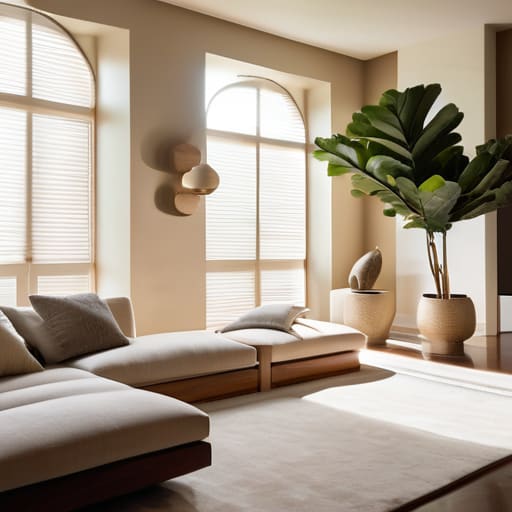
I remember sitting in a client’s home last autumn, the smell of cedar shavings still clinging to my hands from a weekend woodworking project, watching a family struggle to relax in their own sanctuary. They had spent thousands on a massive, state-of-the-art screen, yet the room felt completely off-balance. Every chair was bolted toward the black glass, creating a space that felt less like a living room and more like a high-tech waiting room. Most interior design guides will tell you that the screen is the sun and everything must orbit it, but I’ve learned that if you don’t know how to lay out a living room around a television with intention, you end up sacrificing human connection for digital consumption.
I’m not here to give you a list of expensive decor trends or complex architectural rules. Instead, I want to share a more psychological approach to your floor plan—one that treats your furniture as tools for tranquility rather than just viewing angles. We are going to look at how to integrate your technology so it serves your lifestyle without commanding your peace. By the end of this, you’ll have a logical, step-by-step way to anchor your space while ensuring your home remains a true sanctuary for both your eyes and your mind.
Balancing Focal Points in Living Room Design
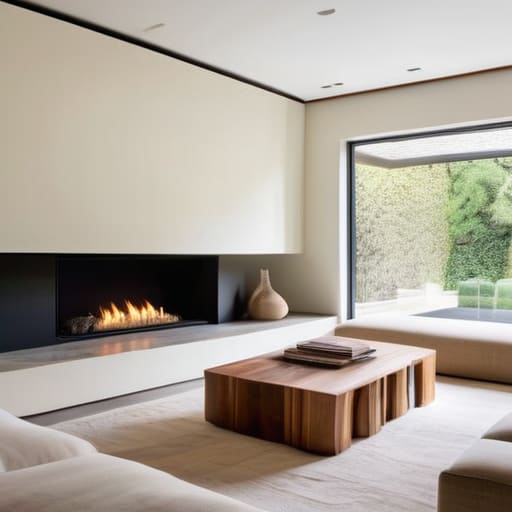
When we walk into a room, our eyes instinctively seek a place to rest. In many modern homes, that resting place is often the black void of a television screen, which can inadvertently hijack the entire energy of the space. To prevent this, I always suggest a strategy of balancing focal points in living room design. Think of your room like a well-tended bonsai; you wouldn’t want one single branch to overshadow the entire composition. If the TV is the primary anchor, try to introduce a secondary element—perhaps a fireplace, a large window with a view, or a curated bookshelf—to distribute the visual weight.
This balance is especially crucial when you are designing living room conversation areas. If every chair is bolted in a direct line toward the screen, you’ve inadvertently designed a theater rather than a sanctuary for connection. I like to encourage my clients to arrange seating in a way that feels fluid. By angling a chair slightly away from the screen or placing a side table between seats, you create a space that invites dialogue, ensuring the technology serves your life rather than dictating your social interactions.
Optimal Viewing Distance for Tv and Mental Clarity
When we sit too close to a screen, our eyes work overtime, and our nervous systems often follow suit, entering a state of low-level tension. I often tell my clients that the optimal viewing distance for TV isn’t just about technical specs or resolution; it’s about creating a sense of spatial breathing room. If you feel like you’re being “pulled into” the screen, your brain can’t fully relax into the environment. You want to find that sweet spot where the image feels immersive yet effortless, allowing your eyes to rest naturally without constant scanning.
Think of your seating as a way to anchor your focus. When designing your seating arrangement for media rooms, aim for a distance that allows you to perceive the entire frame without strain. This physical gap creates a psychological buffer, helping you transition from the high-stimulation world of digital media back into the calm of your home. By honoring this space, you ensure that the television remains a tool for relaxation rather than a source of sensory overload that disrupts your inner peace.
Five Intentional Strategies for a Balanced Living Room
- Interview your seating. Before you anchor a sofa to the television, ask yourself: “Is this chair meant for focused viewing, or for conversation?” If your room is primarily for connection, don’t face every seat directly at the screen; angle a single armchair inward to create a sense of community that exists independently of the media.
- Define the “Path of Least Resistance.” A cluttered layout often stems from fighting the natural flow of a room. Ensure there is a clear, unobstructed walkway around your furniture so you aren’t dodging coffee tables or tripping over rug edges just to get to the TV. Physical movement should feel fluid, not frantic.
- Use the “Rule of Purpose” for your surfaces. A TV stand shouldn’t just be a pedestal for a screen; it should be a functional piece of furniture. If your media console is overflowing with tangled wires and old manuals, it creates visual noise that prevents your mind from settling. Keep the surface intentional—perhaps a single ceramic bowl or a small, well-tended bonsai.
- Soften the digital edges with texture. A large, black rectangular screen can feel like a heavy, dark void in a room when it’s turned off. To prevent this “black hole” effect, surround the area with soft textures—a woven throw, a linen cushion, or a wooden side table. This integrates the technology into the room’s warmth rather than letting it dominate the atmosphere.
- Create a secondary anchor. To prevent the television from becoming the sole dictator of the room, introduce a secondary focal point, like a bookshelf or a window view. By giving the eye another place to rest, you break the hypnotic pull of the screen and allow the room to breathe, transforming it from a “media room” into a living space.
Creating a Space That Serves You
As we wrap up our look at the living room layout, I want you to remember that organizing around a television isn’t about following a rigid set of rules; it’s about intentionality. We’ve discussed how to balance multiple focal points so the screen doesn’t dominate your entire sensory experience, and we’ve looked at how finding that optimal viewing distance can actually reduce eye strain and mental fatigue. By giving every piece of furniture a clear purpose and a logical place, you stop fighting against your environment and start working with it. When you prioritize flow and function over mere convenience, you transform a room from a chaotic viewing station into a cohesive, balanced space.
At the end of the day, your home should be your sanctuary—the one place where the noise of the world finally fades into the background. Whether you are hosting a lively game night or curling up for a quiet evening alone, your layout should support the emotional intention of the moment. Don’t let the technology dictate the soul of your home; instead, let your design reflect the peace you wish to feel. Take it one step at a time, trust your intuition, and remember that a well-ordered room is the first step toward a well-ordered mind.
When you’re working through these layout changes, it’s easy to feel a bit isolated in your decision-making, especially if you’re navigating a major life transition or a change in household dynamics. I often find that the best way to gain clarity is to step outside your own head and seek a bit of external perspective. If you find yourself needing a space to talk through these life shifts or simply want to connect with others who understand the complexities of modern living, checking out the Edmonton chat community can be a wonderful way to find meaningful connection. Sometimes, finding your footing in your physical home is much easier once you feel a sense of belonging in your community.