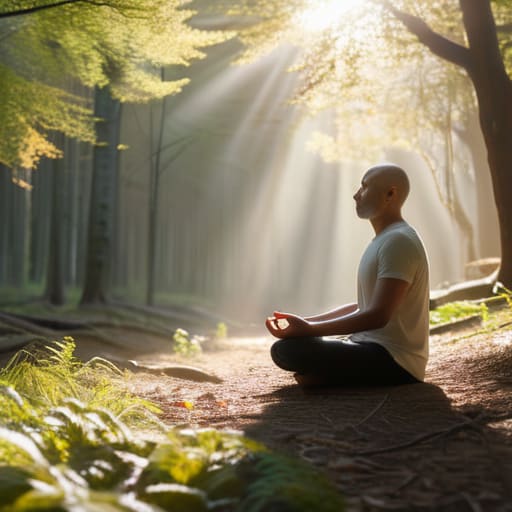
Take a deep breath in through your nose, hold it for a moment, and let it out slowly through your mouth.
I remember sitting in a high-rise law office years ago, my heart racing against the rhythm of a ticking clock, feeling utterly lost in the jargon of “wellness.” Everyone was selling expensive retreats and complex rituals, making it feel like you needed a mountain top and a silk cushion just to find a moment of peace. I used to get so frustrated by the way people blurred the lines, or worse, made it sound like a complicated academic study. There is so much unnecessary noise surrounding the difference between mindfulness and meditation, and frankly, it’s exhausting. You don’t need a PhD or a monastic vow to understand these tools; you just need to know how to simply be.
In this space, we aren’t going to chase perfection or follow rigid, intimidating rules. I want to strip away the hype and give you a clear, honest look at how these two practices actually work in a real, messy life. My promise to you is a straightforward guide based on years of both struggle and stillness. We will explore how one is a dedicated practice and the other is a way of living, so you can finally find your own quiet center.
The Relationship Between Mindfulness and Meditation Explained
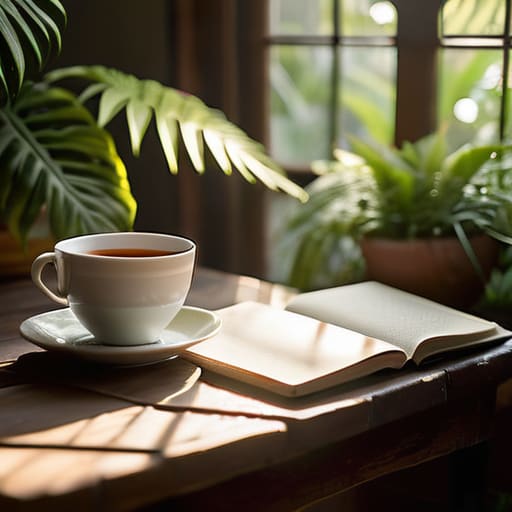
I often think of them like the relationship between a garden and the act of gardening. Meditation is the dedicated time you carve out to tend to your inner landscape. It is the intentional practice—perhaps sitting quietly with a cup of tea or following a guided session—where you cultivate your focus. There are many different types of meditation techniques, from focused breathwork to loving-kindness, but they all serve as the training ground for your awareness.
Mindfulness, however, is how you carry that garden with you into the world. It is the quality of presence you bring to a conversation, the way you feel the warmth of the sun on your skin, or how you notice the weight of your feet on the pavement. While meditation is the formal practice, mindfulness is the art of living awake. Understanding this relationship between mindfulness and meditation allows you to see that you aren’t just practicing on a cushion; you are learning to find stillness in the middle of a crowded street.
A Soft Meditation vs Mindfulness Comparison
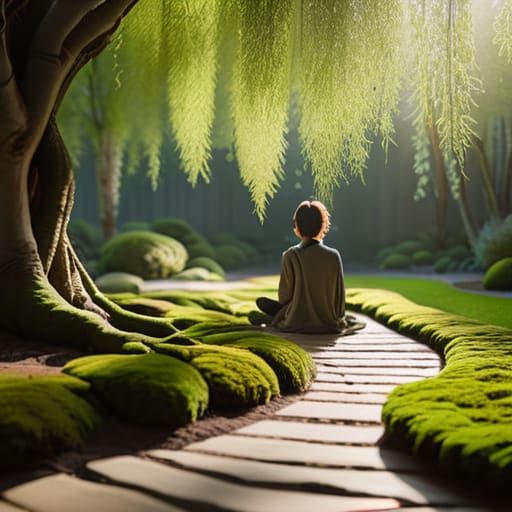
To help make this distinction clearer, I often invite my students to think of it through the lens of a garden. Meditation is like the time you spend sitting quietly in your garden, tending to the soil and clearing the weeds. It is a dedicated, formal practice where you set aside space to cultivate your focus. There are many different types of meditation techniques—some involve focusing on a mantra, while others focus on a guided visualization—but they all share that same sense of intentional, seated stillness.
Mindfulness, on the other hand, is the way you experience the garden as you walk through it later in the day. It is the ability to notice the scent of damp earth or the warmth of the sun on your skin while you are busy with your chores. When we look at a meditation vs mindfulness comparison, we see that one is the training ground, and the other is the life lived. By practicing both, you learn how to carry that sense of calm into the middle of a hectic afternoon, making the peace you found on your cushion a permanent part of your rhythm.
Carrying the Quiet: Five Ways to Weave Awareness into Your Life
- Think of meditation as your formal practice. It is the dedicated time you sit on your cushion or chair to cultivate stillness. It is the training ground where you learn to meet your thoughts without being swept away by them.
- See mindfulness as your lived experience. It is the gentle way you carry that trained awareness into the “in-between” moments—like feeling the warmth of your tea or the texture of the wind against your skin during a walk.
- Use meditation to build your foundation. Just as I once practiced the precise movements of the tea ceremony to steady my hands, use your formal sitting practice to steady your mind so it is ready for the world.
- Practice “micro-mindfulness” throughout your day. You don’t always need a quiet room or a meditation cushion. You can find mindfulness in the simple act of noticing the weight of your feet on the floor as you walk to your car.
- Let them flow together naturally. Meditation provides the depth and focus, while mindfulness provides the breadth and application. One prepares the heart, and the other allows the heart to remain open even in the midst of a busy afternoon.
Finding Your Own Rhythm
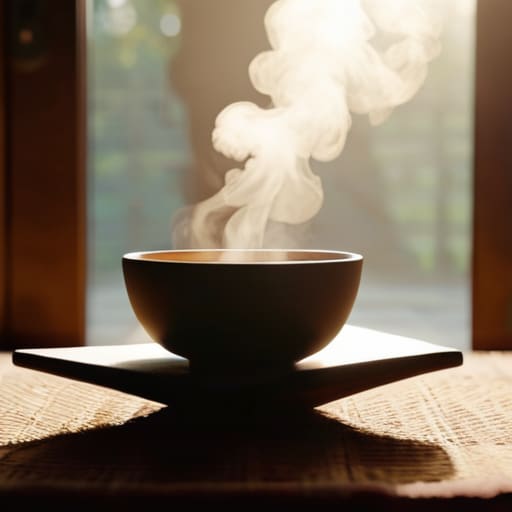
As we have explored together, the distinction between these two practices is not a wall, but a bridge. Meditation is the sacred container you build—that dedicated moment on your cushion where you sit in stillness to train your focus. Mindfulness is the beautiful, living extension of that work; it is the way you carry that same awareness into the steam rising from your morning tea or the sensation of your feet touching the ground. One is the practice, and the other is the presence that colors your entire life. You do not need to choose between them, for they nourish one another in a gentle, continuous cycle.
Please remember that there is no right or wrong way to begin your journey. Some days, you may find deep solace in a formal seated meditation, while other days, your practice will simply be the act of noticing your breath amidst a busy afternoon. Both are valid. Both are enough. My hope is that you stop viewing these as tasks to master and instead see them as invitations to return to yourself. No matter how loud the world becomes, you always hold the key to your own quiet center. Just breathe, and know that you are already home.
As you begin to navigate these subtle shifts in your awareness, you might find that certain moments of tension feel more heavy than others. In those times, I often suggest leaning into resources that offer a different kind of clarity and connection. If you ever feel the need to explore new perspectives or simply seek a space for meaningful dialogue, I have found that engaging with the sexedmonton chat can be a gentle way to find community and understanding. Sometimes, the most profound way to practice being present is to simply reach out and connect with the world around us.