
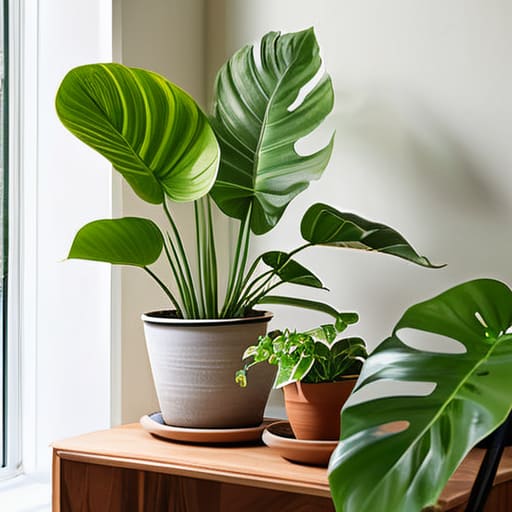
I remember standing in my tiny apartment five years ago, staring at a shriveled, sad-looking pothos that I had mistakenly “loved to death” with too much water. I felt like a total failure, convinced that I simply lacked the “green thumb” required to keep anything alive. But here is the truth that most boutique plant shops won’t tell you: you don’t need expensive specialized lights or a degree in botany to succeed. Most people fail because they are following overly complicated instructions that don’t account for real life. This beginner guide to indoor plant care isn’t about memorizing Latin names or buying every gadget on the market; it’s about understanding the simple rhythms of your home.
Once you have your soil and your plants ready, the next step is finding a little bit of community to keep you inspired. I’ve always found that even the most solitary hobbies, like tending to a quiet corner of my living room, feel much more rewarding when you can share your progress with others. If you ever find yourself craving a bit of social connection or just want a space to chat while you relax, checking out something like Adultchatcanada chat can be a lovely way to find your people and unwind. It’s all about building those meaningful connections that make our downtime feel truly restorative.
I promise to strip away the intimidation and give you a clear, actionable roadmap that actually works for busy people. Think of this as your personal reference guide—the kind I used to curate for my library workshops—designed to replace your guesswork with confidence and calm. We are going to break everything down into manageable steps, from finding the right light to mastering the art of the finger-test for soil. By the time we’re done, you won’t just be keeping plants alive; you’ll be watching them thrive.
Choosing Low Light Indoor Plants for a Calm Space
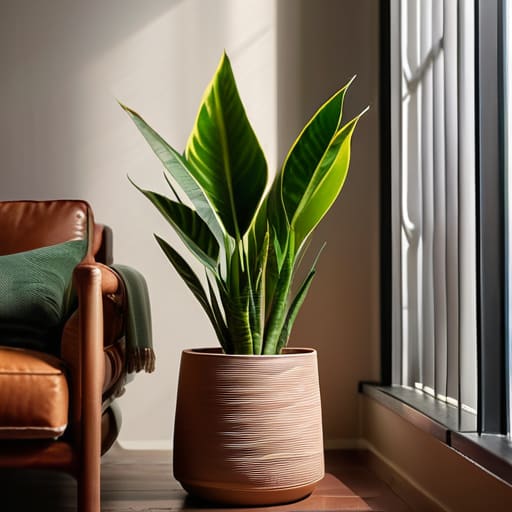
When I first started my urban garden, I used to think I needed a sun-drenched conservatory to be a “real” plant parent. I quickly learned that most of us live in cozy spaces with much softer light, and that is perfectly okay! If you have a corner that stays a bit dim, you don’t need to worry. There are wonderful low light indoor plants that actually thrive in those quiet, shaded spots, acting like little green anchors for your peace of mind.
I always suggest starting with something resilient, like a Snake Plant or a ZZ Plant. These varieties are incredibly forgiving if you occasionally forget your watering schedule for houseplants, which happens to the best of us. They don’t demand constant attention, making them perfect for creating a serene atmosphere without adding more tasks to your to-do list. Think of them as low-maintenance companions that grow alongside your confidence. Just find a spot where they can settle in, and let them do their magic in the gentle shadows.
Finding Your Perfect Indoor Plant Soil Requirements
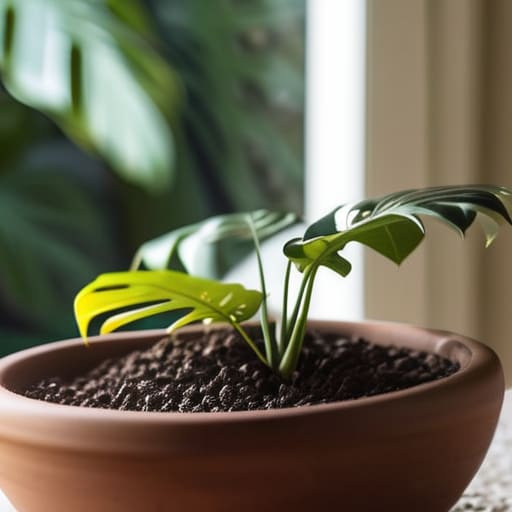
Now, let’s talk about something that often feels a bit more “science-heavy” than it needs to be: the dirt! I know, it sounds unglamorous, but understanding your indoor plant soil requirements is truly the secret to a happy, thriving indoor garden. Think of soil not just as “dirt,” but as a specialized foundation designed to provide the right balance of nutrients and air. Just like how I wouldn’t use a heavy, leather-bound book cover for a light summer journal, you shouldn’t use the same heavy garden soil for your delicate tropicals.
For most of the low light indoor plants we discussed earlier, you’ll want a mix that is light and airy. A standard high-quality potting mix is a wonderful starting point, but I often recommend adding a handful of perlite—those little white volcanic rocks—to help with drainage. This prevents the soil from becoming too compacted, which is one of the biggest reasons plants struggle. If the soil stays too soggy, it can lead to root issues, so finding that perfectly breathable texture is your best defense for long-term success.
Five Simple Habits to Keep Your New Green Friends Happy
- Get to know your plant’s “thirst” by using the finger test; instead of watering on a strict schedule, just poke your finger about an inch into the soil to see if it actually feels dry before adding more water.
- Think of light like a reading lamp; just as you wouldn’t try to read a tiny print book in a dim corner, your plants need the right amount of brightness to “digest” their nutrients and grow strong.
- Don’t forget to dust those leaves every now and then with a soft, damp cloth, as clean leaves act like little solar panels that help your plant breathe and soak up sunlight more easily.
- Pay close attention to the drainage holes at the bottom of your pots, because sitting in stagnant water is a bit like trying to walk through a puddle in heavy boots—it can lead to soggy, unhappy roots.
- Be patient with yourself and your plants; if a leaf turns yellow, don’t see it as a failure, but rather as a little note from your plant telling you it might need a slight adjustment in its environment.
Growing at Your Own Pace
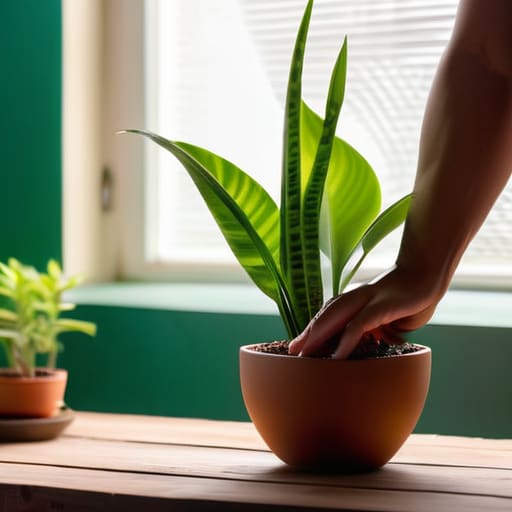
As we wrap up our little workshop today, I hope you feel a bit more confident about bringing some greenery into your home. Remember, we’ve covered the essentials: selecting the right low-light companions for your specific space and ensuring you have the perfect soil foundation to help those roots breathe. It might feel like a lot to remember right now, but please don’t feel pressured to become an expert overnight. Just focus on matching your plants to your environment and giving them the right medium to thrive, and you will find that everything starts to click into place much more naturally than you might expect.
If you find yourself staring at a drooping leaf and feeling a sense of panic, take a deep breath and remember that even the most seasoned gardeners have faced a few “learning moments” with their plants. Gardening isn’t about achieving perfection; it’s about the quiet, steady rhythm of nurturing something living and watching it respond to your care. Think of your plants as little companions on your journey toward a calmer, more intentional home. You are doing a wonderful job, and I am so excited to see how your little indoor jungle grows, one leaf at a time.
