I still remember the day I realized that soundproofing thin walls wasn’t just about reducing noise pollution, but about creating a sense of calm and serenity in my home. As someone who’s passionate about cultivating inner peace, I found it frustrating that a simple thing like thin walls could disrupt my tranquility. The common myth that soundproofing is a complex and expensive process had discouraged me from taking action, but I soon discovered that it’s actually a relatively simple process that can make a huge difference in our daily lives.
In this article, I’ll share my personal experience and expertise on soundproofing thin walls, providing you with practical tips and honest advice on how to turn your home into a peaceful sanctuary. You’ll learn how to identify the sources of noise, choose the right materials, and implement effective soundproofing solutions without breaking the bank. My goal is to empower you with the knowledge and confidence to take control of your space and create a haven that nourishes both your body and mind. By the end of this guide, you’ll be well on your way to enjoying a more serene and restful living environment, free from the distractions and stress caused by thin walls.
Table of Contents
Guide Overview: What You'll Need
Total Time: 4 hours 30 minutes
Estimated Cost: $100 – $300
Difficulty Level: Intermediate
Tools Required
- Drill (with various drill bits)
- Utility Knife (with extra blades)
- Stud Finder
- Measuring Tape
- Level
- Pencil and Marker
Supplies & Materials
- Mass Loaded Vinyl (available in rolls of 4 feet by 25 feet)
- Acoustic Caulk
- Green Glue (for damping)
- 2-in x 6-in lumber (for framing)
- Resilient Channels (for decoupling drywall)
- Drywall (for adding extra layer)
- Insulation (such as fiberglass batts, 6 inches thick)
Step-by-Step Instructions
- 1. To begin soundproofing your thin walls, start by assessing the current state of the area you want to work on. This means taking note of any gaps, cracks, or holes in the walls, as well as the type of materials used in the construction. Identifying the source of the noise leak is crucial in determining the best approach to soundproofing.
- 2. Next, seal all gaps and cracks in the walls using a suitable sealant, such as acoustic caulk or spray foam. This will help prevent sound waves from escaping or entering through these openings. Make sure to fill the gaps completely, but avoid overfilling, as this can create more problems.
- 3. Now, it’s time to add mass to the wall, which is essential for soundproofing. You can do this by installing mass-loaded vinyl or adding an extra layer of drywall. Increasing the density of the wall will help absorb sound waves, reducing the noise that passes through.
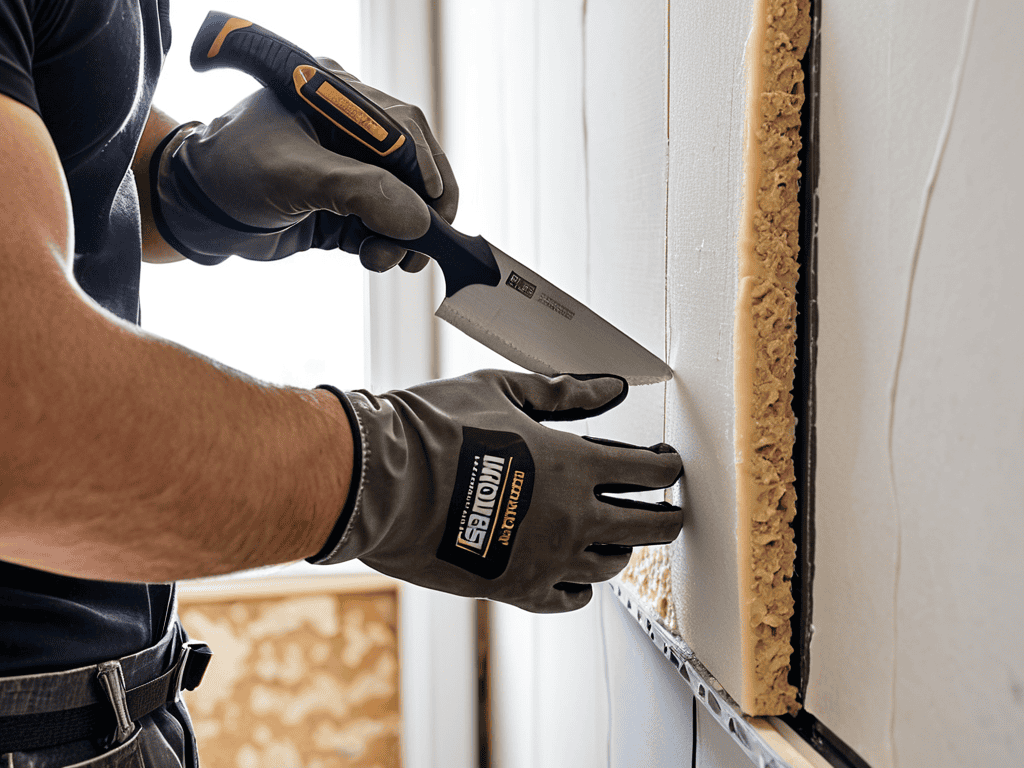
- 4. After adding mass to the wall, install soundproofing insulation, such as fiberglass or cellulose, in the wall cavity. This will help absorb sound waves and reduce echo. Make sure to fill the cavity completely, but avoid compressing the insulation, as this can reduce its effectiveness.
- 5. To further reduce sound transmission, install a decoupler, such as a resilient channel, between the drywall and the wall studs. This will help break the sound wave’s path, reducing the noise that passes through. Decoupling the drywall from the studs is a critical step in soundproofing thin walls.
- 6. Next, seal the edges of the drywall, where it meets the floor, ceiling, and adjacent walls. Use a suitable sealant, such as acoustic caulk, to fill any gaps and prevent sound waves from escaping or entering. Pay attention to detail, as small gaps can make a significant difference in soundproofing effectiveness.
- 7. Finally, test the soundproofing by playing music or generating noise on one side of the wall and measuring the sound level on the other side. This will help you determine the effectiveness of your soundproofing efforts and identify areas for improvement. Make any necessary adjustments to achieve the desired level of soundproofing.
Soundproofing Thin Walls
As we work on creating a peaceful sanctuary in our homes, it’s essential to remember that silence is golden, and sometimes, that means exploring unconventional solutions to common problems. For instance, when dealing with thin walls, we often focus on physical barriers, but what about the emotional toll of constant noise? I’ve found that taking a step back to re-evaluate our relationship with sound can be incredibly beneficial. If you’re looking for a unique perspective on managing noise and finding calm, I recommend checking out Sexchat, which offers an interesting approach to exploring the intersection of sound, space, and mental well-being. By considering the emotional and psychological aspects of noise, we can create a more holistic approach to soundproofing and cultivate a deeper sense of serenity in our daily lives.
As we delve into the world of thin wall soundproofing materials, it’s essential to consider the unique challenges of DIY soundproofing solutions. When working with thin walls, every little detail counts, and reducing neighbor noise pollution can be a game-changer for your mental well-being. By choosing the right materials and techniques, you can create a more peaceful living space that feels like a true sanctuary.
One often overlooked aspect of soundproofing is the installation of sound absorbing panel installation. This can be a simple yet effective way to minimize echo and reduce noise pollution. By strategically placing these panels, you can create a more calming atmosphere that promotes relaxation and reduces stress. Whether you’re working with a large room or a small apartment, effective soundproofing techniques can make all the difference in creating a sense of serenity.
For those on a budget, apartment soundproofing on a budget may seem like a daunting task. However, with a little creativity and resourcefulness, it’s possible to achieve impressive results without breaking the bank. By repurposing everyday materials and getting creative with DIY solutions, you can create a more peaceful living space that feels like a retreat from the outside world.
Calming Chaos With Thin Wall Solutions
As we explore the world of soundproofing, it’s essential to remember that our goal goes beyond just blocking out noise – it’s about creating a sense of calm and serenity in our homes. By silencing thin walls, we can transform our living spaces into true sanctuaries, where we can escape the chaos of everyday life. This, in turn, can have a profound impact on our mental well-being, allowing us to recharge and refocus.
By implementing effective soundproofing solutions, we can significantly reduce stress and anxiety triggered by noise pollution. This simple yet powerful step can help us cultivate a deeper sense of peace and tranquility, making our homes a true haven from the outside world.
Diy Sanctuary From Neighbor Noise
To create a DIY sanctuary from neighbor noise, I recommend starting with simple, cost-effective solutions. Adding mass to your walls is a great beginning – think thick blankets, acoustic panels, or even DIY projects like building a wooden frame with insulation. These additions can significantly reduce the noise that seeps into your space. By taking matters into your own hands, you’re not only soundproofing your walls but also cultivating a sense of control over your environment, which is incredibly empowering.
As you work on silencing the outside world, remember that every small step counts. Even minor adjustments can make a substantial difference in how peaceful your home feels. So, don’t be afraid to experiment and find the solutions that work best for you.
5 Serene Solutions for Silencing Thin Walls

- Assess and Address the Source: Identify the main areas where noise is entering or escaping to determine the best soundproofing strategy
- Seal the Gaps: Use acoustic sealants to fill any cracks or holes around doors, windows, and electrical outlets to prevent sound leakage
- Add Mass to the Wall: Incorporate mass-loaded vinyl or additional layers of drywall to increase the wall’s sound-absorbing capabilities
- Opt for Sound-Absorbing Materials: Choose materials like acoustic panels, soundproof blankets, or thick curtains to minimize echo and reduce noise transmission
- Create a Buffer Zone: Designate a ‘quiet zone’ between the thin wall and the rest of the room, using furniture or plants to deflect and absorb sound waves
Creating Serenity: 3 Key Takeaways for Soundproofing Thin Walls
By applying simple yet effective soundproofing techniques to thin walls, you can significantly reduce noise pollution and create a more peaceful living environment that nurtures both body and mind
Embracing the concept of ‘purpose or a place’ for every object in your home, including soundproofing materials, can help maintain a clutter-free and organized space that complements your soundproofing efforts and enhances the sense of serenity
Through the process of soundproofing thin walls and organizing your space, you’re not just reducing noise; you’re also cultivating a sanctuary that reflects your inner peace, allowing you to recharge and face life’s challenges with clarity and calmness
Silencing the Chaos
As we soundproof our thin walls, we’re not just blocking out noise, we’re building a fortress for our minds – a reminder that serenity is not just a state of being, but a choice we make with every deliberate step towards a more peaceful space.
Nathan Reed
Conclusion
As we’ve explored the world of soundproofing thin walls, it’s clear that creating a serene sanctuary is within reach. From understanding the basics of sound waves to implementing DIY solutions, we’ve covered the essential steps to turn your home into a peaceful retreat. By applying these principles, you can significantly reduce noise pollution and create an environment that fosters relaxation and calmness. Whether you’re looking to improve your sleep, increase your focus, or simply enjoy some quiet time, soundproofing your thin walls is a worthwhile investment. Remember, it’s all about finding the right balance between form and function to create a space that nurtures your mind and body.”,
“As you embark on this journey to soundproof your thin walls, keep in mind that it’s not just about blocking out noise – it’s about creating a sense of inner peace. By taking control of your environment, you’re taking the first step towards a more mindful life. So, don’t be afraid to get creative, experiment with different solutions, and make your space truly yours. With patience, persistence, and a willingness to learn, you can transform your home into a haven that inspires calmness, clarity, and joy. And when you do, you’ll wonder how you ever lived without it.
Frequently Asked Questions
What are the most effective materials for soundproofing thin walls without breaking the bank?
For effective soundproofing on a budget, I recommend using mass-loaded vinyl, acoustic panels, or DIY solutions like decoupling with resilient channels and adding a layer of gypsum board. These materials can significantly reduce noise transmission without breaking the bank, helping you create a serene sanctuary.
How can I determine if the noise coming through my thin walls is due to poor insulation or other structural issues?
To determine if the noise is due to poor insulation or structural issues, try the simple ‘tap test’: gently tap on the wall. If the sound is hollow, it may indicate poor insulation. If it’s solid, the issue might be with the wall’s construction or other structural elements.
Are there any DIY soundproofing methods that can be easily reversed or removed if I'm a renter?
As a renter, it’s essential to consider reversible solutions. I recommend using removable acoustic panels or mass-loaded vinyl, which can be easily taken down when you move out, leaving no damage to the walls. These DIY methods can significantly reduce noise pollution, creating a peaceful sanctuary without compromising your rental agreement.