

As I sit amidst my urban garden, surrounded by the calming scent of blooming flowers, I often wonder: is self-care just consumerism? We’ve all been there – scrolling through social media, feeling pressured to buy the latest self-care products, from essential oils to luxurious candles, in the name of mindfulness. But let’s get real, is this truly about taking care of ourselves, or just about keeping up with the latest trends? I believe it’s time to cut through the noise and explore what self-care really means, beyond the consumerist facade.
In this article, I promise to provide you with honest and actionable advice, based on my own experiences and research. As someone who’s passionate about making knowledge accessible, I’ll guide you through the process of distinguishing between genuine self-care practices and mere marketing ploys. Together, we’ll explore how to cultivate a more authentic approach to self-care, one that focuses on nurturing our minds, bodies, and souls, rather than just our shopping carts. By the end of this journey, you’ll be equipped with the tools and insights needed to make informed decisions about your own self-care routine, and to take control of your well-being.
Table of Contents
Is Self Care Just Consumerism
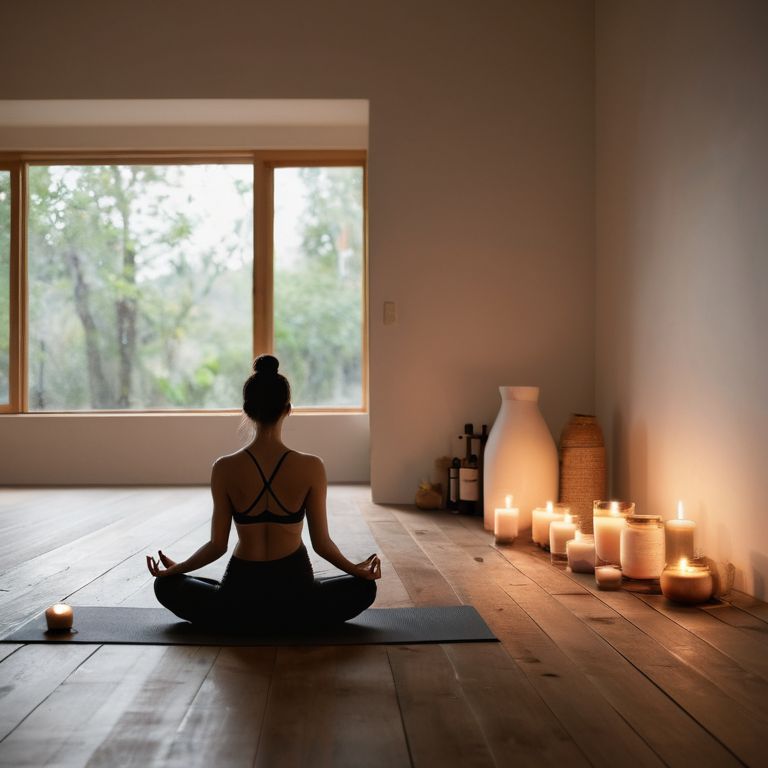
As I delve into the world of self-care, I’ve started to notice a concerning trend – the commercialization of wellness. It seems like every product and service is now being marketed as a self-care essential, from scented candles to expensive yoga retreats. While some of these products may genuinely promote relaxation and well-being, I believe it’s essential to critically examine the self-care industry trends that are driving this consumerism.
The impact of consumerism on mental health is a complex issue, and it’s crucial to consider whether our pursuit of self-care is truly authentic or just a form of retail therapy. Are we using these products and services as a genuine means of improving our well-being, or are we simply trying to fill a void with material possessions? I think it’s time to take a step back and reassess what genuine self-care practices look like, beyond the influencer-driven marketing campaigns.
By exploring the wellness culture critique, we can begin to separate the genuine self-care practices from the consumerist tendencies that have infiltrated the industry. It’s not about depriving ourselves of enjoyable experiences or products, but about being mindful of our motivations and the potential impact on our mental health. By doing so, we can work towards creating a more authentic self-care culture that prioritizes true well-being over commercial gain.
Beyond the Marketplace Genuine Self Care
As we move beyond the surface level of self-care, it’s essential to focus on genuine connections with ourselves and our surroundings. This means taking the time to understand what truly nourishes our minds, bodies, and souls, rather than just following the latest trends.
By embracing mindful practices, we can begin to break free from the cycle of consumerism and cultivate a deeper sense of self-awareness. This allows us to make intentional choices that promote our well-being, rather than simply trying to fill a void with products or experiences.
Commercialization of Wellness a Closer Look
As we delve into the world of self-care, it’s essential to examine the commercialization of wellness, which has led to a multibillion-dollar industry. This phenomenon has created a culture where individuals feel pressured to purchase products and services to achieve a sense of well-being.
The wellness industry has successfully marketed itself as a one-size-fits-all solution, often overlooking the unique needs and circumstances of individuals.
Rethinking Wellness Culture

As we delve into the concept of wellness culture, it’s essential to examine the commercialization of wellness and its impact on our perception of self-care. The self-care industry has grown exponentially, with companies marketing products and services that promise to improve our mental and physical health. However, this has led to a culture where authenticity in marketing is often compromised, and genuine self-care practices are overshadowed by consumerist tendencies.
The consumerism impact on mental health is a significant concern, as the constant bombardment of advertisements and social media influencers can create unrealistic expectations and promote a sense of inadequacy. It’s crucial to recognize that true self-care is not about buying products or following the latest trends, but about cultivating a deeper understanding of ourselves and our needs. By rethinking wellness culture, we can shift our focus towards more genuine self-care practices that prioritize inner growth and well-being over material possessions.
Ultimately, a wellness culture critique is necessary to uncover the underlying values and motivations that drive our self-care habits. By examining the self-care industry trends and their effects on our society, we can begin to distinguish between authentic self-care and consumerist manipulation. This awareness will enable us to make more informed choices and cultivate a more authentic approach to wellness, one that prioritizes our mental and physical health over commercial interests.
Authenticity in Marketing a Rare Find
As I delve into the world of wellness marketing, I’ve noticed that authentic connections are hard to come by. Many brands claim to prioritize self-care, but their messaging often feels like a thinly veiled attempt to sell products. It’s refreshing to see companies that genuinely prioritize their customers’ well-being, rather than just using it as a selling point.
In my opinion, transparent storytelling is key to building trust with consumers. When brands share their values and mission in a clear, concise manner, it helps to create a sense of community and shared purpose. By being open and honest about their practices, companies can establish a loyal customer base that appreciates their commitment to authenticity.
The Impact of Consumerism on Mental Health
As we delve into the effects of consumerism on our well-being, it’s essential to consider how constant exposure to advertising can shape our perceptions of self-care. The relentless barrage of messages telling us that happiness and fulfillment can be bought can lead to feelings of inadequacy and low self-esteem.
The pressure to keep up with the latest wellness trends can also lead to financial stress, which is a significant contributor to mental health issues. By recognizing the potential harm caused by the commercialization of self-care, we can begin to shift our focus towards more meaningful and sustainable practices that prioritize our actual well-being over material possessions.
5 Ways to Separate Self-Care from Consumerism
- Practice mindfulness without products: focus on meditation, deep breathing, or simply taking a walk without needing to buy anything
- Set boundaries with social media: limit your exposure to influencer marketing and curated self-care routines that often promote consumerism
- Explore free or low-cost self-care activities: visit your local library, go for a hike, or start a small garden to nurture your well-being without breaking the bank
- Prioritize experiences over products: invest in workshops, classes, or therapy sessions that promote personal growth and genuine self-care
- Create your own self-care routine: tailor it to your needs, preferences, and values, and avoid comparing yourself to others or feeling pressured to keep up with the latest trends
Key Takeaways: Navigating Self-Care Beyond Consumerism
Self-care should be redefined as a personal and intentional practice that prioritizes emotional, mental, and physical well-being over material consumption
Commercialization of wellness can have detrimental effects on mental health, including increased stress, anxiety, and feelings of inadequacy, highlighting the need for a more authentic approach to self-care
By recognizing the difference between genuine self-care and consumerist tendencies, individuals can begin to cultivate healthier habits and a more positive relationship with themselves and their surroundings
A Moment of Clarity
Self-care shouldn’t be about buying our way to serenity, but about embracing the simplicity and depth of genuine human experience, where the most profound moments of peace are often found in the spaces between consumerism and chaos.
Hannah Jensen
Embracing Authentic Self-Care
As we’ve explored the concept of self-care and its potential reduction to mere consumerism, several key points emerge. We’ve discussed how genuine self-care involves practices that nourish both body and mind, such as meditation, exercise, and healthy eating. The commercialization of wellness has led to a multibillion-dollar industry, where products and services are often marketed as essential for self-care, potentially obscuring the line between genuine wellness practices and consumerist tendencies. By recognizing these dynamics, we can begin to distinguish between authentic self-care and marketplace-driven solutions.
Ultimately, the path to embracing authentic self-care requires a critical and nuanced approach. By looking beyond the glossy advertisements and focusing on simple, sustainable practices, we can reclaim the essence of self-care. As we journey towards a more mindful and compassionate relationship with ourselves and our surroundings, let’s remember that true self-care is not about buying products, but about cultivating a deeper understanding of our needs and desires, and nurturing our well-being in a way that feels genuine and empowering.
Frequently Asked Questions
How can I distinguish between genuine self-care practices and those that are driven by consumerism?
To distinguish between genuine self-care and consumerism, ask yourself: Does this practice nourish my mind, body, or spirit, or is it just a product to buy? Look for activities that promote inner growth, like meditation or journaling, and be wary of anything that promises instant fixes or relies on constant purchasing.
What are some alternatives to commercial self-care products that can promote authentic wellness?
Let’s explore some authentic alternatives. Consider activities like journaling, meditation, or simply taking a walk outside. You can also try DIY face masks, homemade candles, or herbal teas. These simple, cost-free practices can promote genuine wellness without the commercialism.
Can adopting a more mindful approach to consumption help mitigate the negative impacts of consumerism on mental health?
By being more mindful of our consumption habits, we can indeed reduce the negative effects of consumerism on our mental well-being. It’s about recognizing our needs versus wants and making intentional choices that align with our values, rather than impulse buying or seeking validation through purchases.
