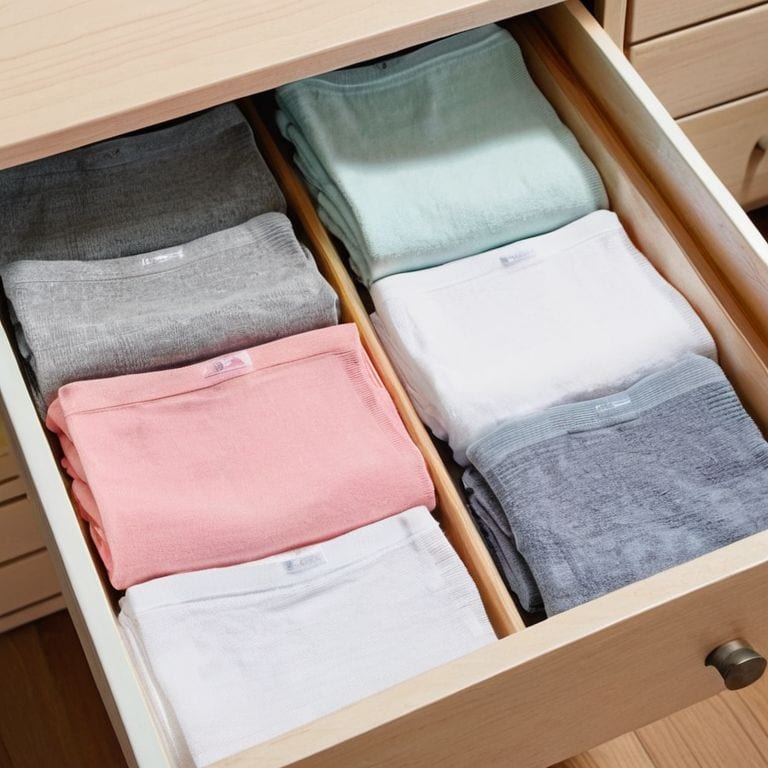
I still remember the day I discovered the KonMari folding method – it was like a breath of fresh air in my cluttered closet. As someone who’s passionate about creating serene spaces, I was amazed by how this simple technique could transform my daily routine. But, I’ve noticed that many people struggle to implement it, often due to the misconception that it’s just about folding clothes in a specific way. In reality, a guide to the konmari folding method is about creating a mindful approach to organizing your belongings, and it’s this mindset that can bring a sense of calm to your entire home.
As you read this article, you’ll learn the practical steps to master the KonMari folding method, and how it can be a powerful tool for decluttering your space. I’ll share my personal experiences, as well as tips on how to make this technique a sustainable part of your daily routine. By the end of this guide, you’ll have a clear understanding of how to apply the KonMari method to your own life, and how it can help you create a more peaceful living environment. Whether you’re a seasoned organizer or just starting out, this article will provide you with the honest, no-hype advice you need to get started on your journey to a more serene and organized home.
Table of Contents
Guide Overview: What You'll Need
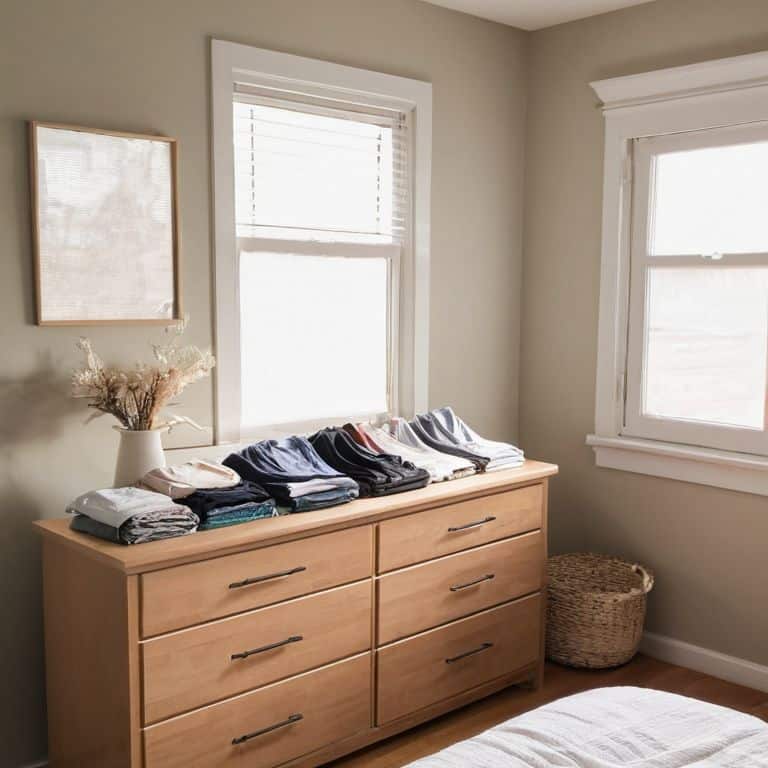
Total Time: 30 minutes to 1 hour
Estimated Cost: $0 – $10
Difficulty Level: Easy
Tools Required
- Flat surface such as a bed or table
Supplies & Materials
- Clothing to fold such as t-shirts, pants, and socks
Step-by-Step Instructions
- 1. To start, gather all your clothes and sort them into categories, like tops, bottoms, and dresses. This might seem like a daunting task, but trust me, it’s essential to the KonMari method. Take your time, and remember, we’re not just folding clothes, we’re creating a sense of serenity in our daily routine.
- 2. Next, hold each item and ask yourself if it sparks joy. This is a crucial step in the KonMari method, as it helps you decide what to keep and what to let go of. Be honest with yourself, and don’t be afraid to let go of items that no longer serve you. Remember, the goal is to surround yourself with items that bring you peace and happiness.
- 3. Now, let’s move on to the folding technique itself. The KonMari method involves folding clothes into small, compact rectangles that can be stood up in your drawer. To start, lay the item flat on a surface in front of you, and identify the type of fold you want to use. For example, a simple fold for a t-shirt might involve folding the sleeves in towards the body, and then folding the bottom of the shirt up towards the top.
- 4. Once you’ve identified the type of fold, it’s time to create the fold. For a t-shirt, you would fold the left and right sides of the shirt towards the middle, and then fold the bottom of the shirt up towards the top. As you fold, focus on smoothing out wrinkles and creating a compact, rectangular shape. Remember, the goal is to create a fold that allows you to see the item at a glance, and to make it easy to store in your drawer.
- 5. As you continue to fold, pay attention to the size of your folds. The KonMari method involves folding clothes into small, uniform rectangles that can be stacked on top of each other. This makes it easy to store clothes in your drawer, and to see what you have at a glance. Try to make each fold roughly the same size, so that they stack neatly on top of each other.
- 6. Now, let’s talk about storing your folded clothes. The KonMari method involves standing your folded clothes up in your drawer, rather than laying them flat. This makes it easy to see what you have, and to grab what you need quickly. To store your clothes, simply stand them up in your drawer, and arrange them in a way that makes sense to you. You might group similar items together, or organize them by type.
- 7. Finally, maintain your system by regularly going through your clothes and refolding them as needed. This will help you stay on top of your folding game, and ensure that your clothes continue to spark joy in your daily life. Remember, the KonMari method is not just about folding clothes, it’s about creating a sense of calm and serenity in your daily routine. By following these steps, you can create a system that works for you, and brings you peace and happiness every day.
A Guide to the Konmari Folding Method
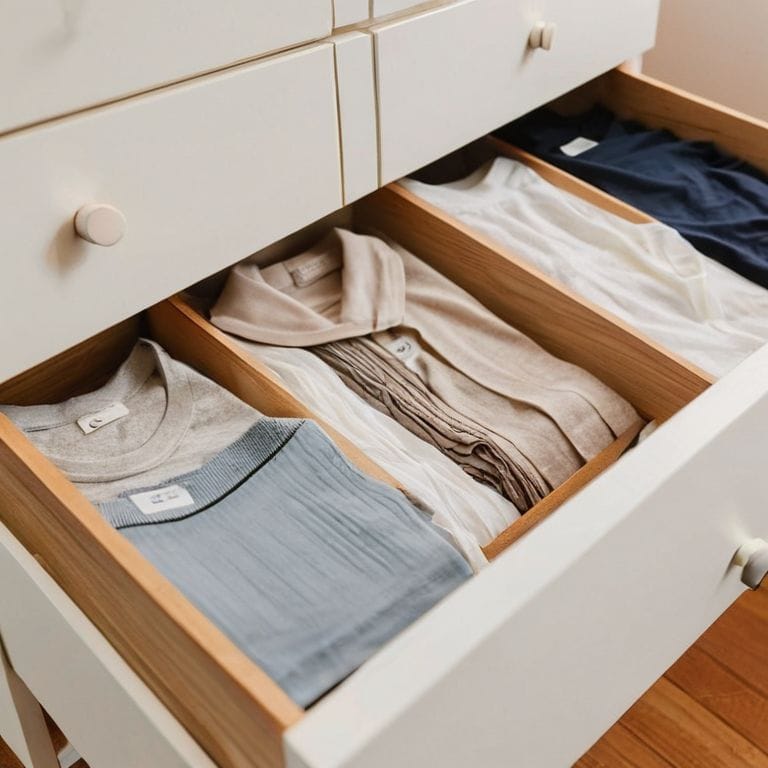
As I work with clients to implement the KonMari folding method, I’ve noticed that folding clothes for small spaces can be a game-changer. It’s amazing how much more serene a room feels when clutter is tucked away, and each item has a designated place. To take it a step further, consider maximizing drawer space with folding by using small boxes or dividers to separate items. This not only keeps your belongings organized but also makes them easier to find.
For those just starting out, simple folding techniques for beginners can be incredibly empowering. The KonMari method is all about creating a sense of calm and control, and it’s remarkable how this can translate to other areas of life. When it comes to konmari inspired closet organization, I always encourage clients to think about the flow of their daily routine and how their closet can support that. By folding and storing items in a way that makes sense for your lifestyle, you can create a more peaceful and efficient morning routine.
As you continue to practice the KonMari folding method, you may find that it inspires a broader desire to fold and organize other areas of your home, such as your linen closet or kitchen towels. The konmari method for towel organization is a great place to start, as it can help you develop a sense of what brings you joy and what can be let go of. Remember, the goal is to create a sense of harmony and balance in your space, and the folding method is just one tool to help you get there.
Finding Serenity in Folded Clothes
As I fold each garment with intention, I’m reminded that this process is about more than just organizing clothes – it’s about creating a sense of calm in my daily routine. The KonMari method invites me to slow down and appreciate the simple act of folding, allowing me to connect with my belongings on a deeper level. By doing so, I’m able to let go of items that no longer serve me, making space for what truly brings me joy.
In the stillness of folding, I find a sense of serenity that transcends the physical act. It’s a mindfulness practice that seeps into other areas of my life, encouraging me to approach each task with greater intention and clarity. As the folds become more precise and the clothes more organized, I feel my mind clearing, reflecting the order I’ve created in my closet.
Maximizing Space With Konmari Folding
As I reflect on the KonMari method, I’m reminded of my own journey with carpentry – where every cut and joint has a purpose. Similarly, when we fold our clothes with intention, we create space that breathes. By folding clothes into compact, rectangular shapes, we can store them standing up in our drawers, maximizing the use of our storage space. This simple shift in mindset can lead to a more serene and organized closet.
By adopting the KonMari folding technique, we can unlock hidden space in our closets and drawers, making it easier to find what we need when we need it. This, in turn, can bring a sense of calm and clarity to our daily routines, much like the tranquility I experience when tending to my bonsai trees.
Embracing the Art of KonMari Folding: 5 Essential Tips
- Start with a clear purpose: Before you begin folding, take a moment to consider the items you’re working with and the space they’ll occupy, letting go of anything that doesn’t spark joy
- Fold with intention: As you fold each item, focus on the sensation of the fabric, the sound of the fold, and the satisfaction of creating order, allowing the process to become meditative
- Use the fold to create a sense of unity: KonMari’s method is not just about folding clothes, but about creating a cohesive visual language in your closet, where every item feels like it belongs
- Store items with respect: Once you’ve folded your items using the KonMari method, store them in a way that feels respectful to the item and to you, considering the flow of your daily routine and the ease of access
- Make it a ritual: Incorporate the KonMari folding method into your daily or weekly routine, turning the act of folding into a moment of self-care and mindfulness, where you can reflect on your belongings and your relationship with them
Key Takeaways from the KonMari Folding Method
By embracing the KonMari folding technique, you can transform your daily routine and bring a sense of calm to your closet, one folded item at a time
The method’s focus on mindful folding and organization can help you develop a greater appreciation for the items you own, and make intentional decisions about what to keep and what to let go of
Ultimately, the KonMari folding method is about more than just folding clothes – it’s about creating a sense of serenity and control in your physical space, which can have a profound impact on your mental well-being and overall quality of life
Embracing the Art of Folding
As we fold, we are not just rearranging our belongings, we are rearranging our minds – creating space for clarity, serenity, and a deeper connection to the world around us.
Nathan Reed
Embracing the Tranquility of a Tidy Space

As we conclude our journey through the KonMari folding method, it’s essential to reflect on the key takeaways. We’ve learned how to transform our daily routine by implementing a simple, yet effective folding technique. By applying this method, we can not only maximize our closet space but also cultivate a sense of serenity in our daily lives. The act of folding becomes a therapeutic exercise, allowing us to connect with our belongings on a deeper level and appreciate the value of each item. As we continue to practice this technique, we’ll find that it’s not just about folding clothes, but about creating a mindset of mindfulness that permeates every aspect of our lives.
As you embark on your own KonMari folding journey, remember that it’s a process that requires patience, dedication, and an open mind. Don’t be too hard on yourself if you don’t see immediate results – the true magic lies in the consistent effort you put into maintaining your newly organized space. With time, you’ll find that the peace of mind you’ve been seeking was hidden in the folds all along. So, take a deep breath, let the tranquility of your tidy space envelop you, and remember that every fold is a step closer to a more harmonious you.
Frequently Asked Questions
How do I decide which clothes to fold using the KonMari method and which to hang?
To decide, ask yourself: does this item spark joy when folded or hung? Consider the fabric, its purpose, and how you feel when wearing it. For me, it’s about creating a harmony between the item’s nature and its storage. If it’s delicate or special, hanging might be better, while everyday items like t-shirts and socks are perfect for KonMari folding.
Can the KonMari folding technique be applied to other items beyond clothing, such as towels or bedding?
While KonMari folding is iconic for clothes, its principles can be beautifully applied to other items like towels and bedding, bringing harmony to your linens and beyond. I encourage you to experiment with folding these items in a way that sparks joy and creates a sense of order in your home.
What are some common mistakes to avoid when first starting to use the KonMari folding method to ensure I get the most out of it?
As you start your KonMari folding journey, beware of folding items that don’t spark joy, using inconsistent folds, and not maintaining your newly organized space. Remember, it’s about creating a mindful connection with your belongings, not just folding clothes. Be patient, and don’t be too hard on yourself – it’s a process that takes time to master.