
Take a deep breath in, and as you exhale, allow your eyes to gently focus on this moment. I still remember my first attempt at a 5-minute meditation to start my day – I was a frazzled corporate lawyer, struggling to quiet my mind. The common myth that meditation requires a completely empty mind had me frustrated, but I soon discovered that it’s actually about embracing the present. My journey with mindfulness began, and I learned that even the busiest of mornings can be met with serenity.
As we explore a 5-minute meditation to start your day together, I promise to share practical, honest advice on how to make this practice a sustainable part of your daily routine. You’ll learn how to breathe into stillness, letting go of the need for a perfectly quiet mind, and instead, focus on the gentle rhythm of your breath. In this article, we’ll take it one step at a time, and I’ll guide you through a simple, yet powerful meditation technique to awaken your inner calm and set a positive tone for the day ahead.
Table of Contents
Guide Overview: What You'll Need
Total Time: 5 minutes
Estimated Cost: $0
Difficulty Level: Easy
Tools Required
- Comfortable and quiet space (free from distractions)
Supplies & Materials
- A cushion or chair for sitting (optional)
- A timer or mobile app (for tracking 5 minutes)
Step-by-Step Instructions
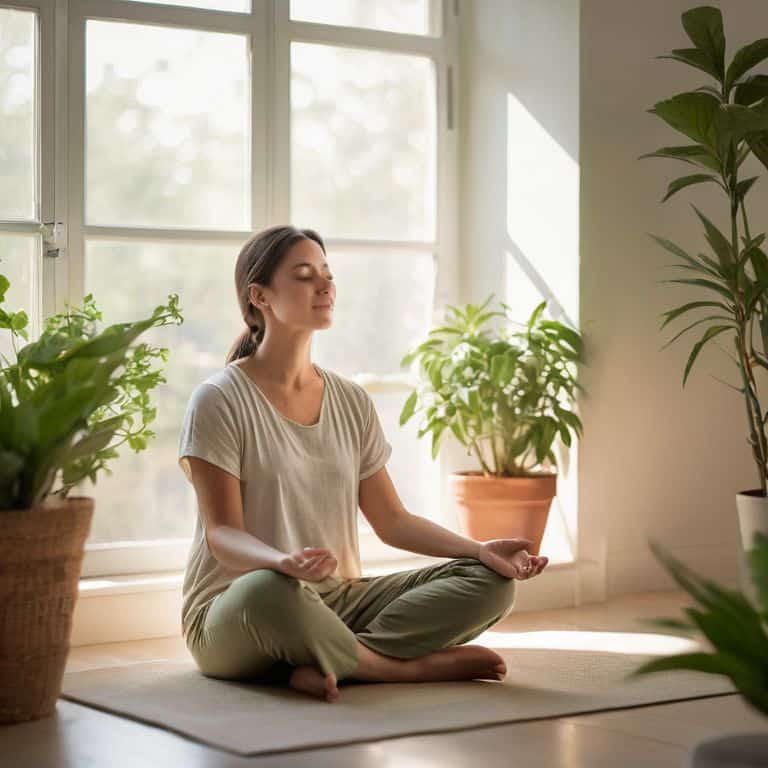
- 1. First, find a quiet and comfortable place to sit, where you can be still and undistracted. This could be a corner in your bedroom, a spot on your couch, or even a chair on your balcony. Take a moment to settle in, feeling the weight of your body on the seat and the sensation of your feet touching the ground.
- 2. Next, close your eyes and take a deep breath in through your nose, and out through your mouth. As you breathe, bring your attention to the sensation of the air moving in and out of your body. Notice the feeling of your lungs expanding and contracting, and the gentle rise and fall of your chest. Allow yourself to let go of any tension or stress as you exhale.
- 3. Now, place your hands gently on your lap, with your palms facing upwards. This is a symbolic gesture of receiving, allowing yourself to be open to the present moment. As you sit, imagine any thoughts, worries, or doubts being gently placed in front of you, like leaves on a stream, and watch them drift away without attachment.
- 4. Begin to focus on your breath, feeling the sensation of the air as it enters and leaves your nostrils. When your mind wanders, and it will, gently acknowledge the thought and return to your breath. Don’t try to force your mind to be still, but rather allow it to settle, like sediment at the bottom of a glass of water.
- 5. As you continue to breathe, bring your attention to your body, starting from the crown of your head and working your way down to your toes. Notice any areas of tension or relaxation, and allow yourself to release any holding or strain. Imagine fresh, calming energy flowing into these areas, like a gentle stream nourishing the earth.
- 6. Now, take a moment to cultivate gratitude, thinking of three things you appreciate in your life. These can be as simple as a good cup of coffee, a beautiful sunset, or a supportive friend. Allow the feeling of gratitude to fill your heart, and radiate outwards, like the warmth of a candle.
- 7. As you near the end of your 5-minute meditation, take a deep breath in, and when you’re ready, slowly open your eyes. Take a moment to notice how you’re feeling, and acknowledge any shifts in your body or mind. Remember that this sense of calm and clarity can stay with you throughout your day, like a gentle companion, guiding you through life’s challenges.
Mindful Mornings With Meditation

As we explore mindful mornings with meditation, it’s essential to remember that the goal is not to achieve a specific state, but to cultivate awareness and presence. By incorporating _morning mindfulness exercises_ into our daily routine, we can set a positive tone for the rest of the day. This can be as simple as taking a few deep breaths, noticing the sensation of our feet on the ground, or listening to the sounds of nature.
To enhance our meditation practice, we can try focused breathing for beginners, which involves paying attention to the sensation of the breath moving in and out of the body. This technique can help calm the mind and reduce stress. By starting our day with a _short meditation for anxiety_, we can develop a sense of clarity and purpose, making it easier to navigate life’s challenges.
As we continue on this journey, remember to be gentle with yourself and make _daily intention setting practices_ a part of your routine. Take a moment each morning to reflect on what you want to achieve, and how you want to show up in the world. By combining quick stress relief techniques with a consistent meditation practice, we can cultivate a deeper sense of inner peace and well-being, even on the most chaotic of days.
Breathe Into Dawn Quick Stress Relief
As we breathe into dawn, let’s focus on quick stress relief. Begin by noticing the sensation of your feet touching the ground. Feel the weight, the connection to the earth. Now, bring your attention to your breath, allowing it to anchor you in the present moment. With each inhale, imagine fresh calmness entering your body; with each exhale, imagine any tension or stress leaving your body.
In these quiet morning moments, remember that stress relief is not about achieving a specific state, but about allowing yourself to be present with what is. As you sit in stillness, allow your breath to be your guide, gently reminding you to let go of any thoughts or worries. With each breath, feel your body relax, your mind clarify, and your heart open to the beauty of a new day.
Setting Intentions With Focused Breathing
As we breathe into the dawn, let’s set intentions with focused breathing. Take a deep inhale, and as you exhale, whisper your heart’s desire to yourself. It could be as simple as “may I approach today with kindness” or “may I find clarity in chaos.” Allow your intention to settle, like a leaf gently falling onto a still pond.
With each breath, nourish this intention, letting it guide you into the day ahead. Remember, the power lies not in the intention itself, but in the gentle, consistent breath that carries it. As you sit in stillness, feel the weight of your intention, and let the calmness of the morning hour infuse your entire being.
Awakening to Serenity: 5 Essential Tips for Your 5-Minute Morning Meditation
- Start by finding a quiet, comfortable spot to sit where you can be undisturbed for the full 5 minutes, allowing yourself to fully immerse in the meditation
- Close your eyes and take a deep breath in, feeling the air fill your lungs, and then exhale slowly, letting go of any tension or stress, setting the tone for a peaceful morning
- Focus on the sensation of your feet touching the ground, imagining roots growing from the soles of your feet deep into the earth, anchoring you in the present moment and connecting you with nature
- As you breathe in, repeat a gentle phrase to yourself, such as ‘I am here’ or ‘I am calm’, and as you breathe out, slowly whisper ‘let go’, allowing any thoughts or worries to drift away like clouds in the sky
- End your meditation by taking a few moments to notice how you feel, noticing any shifts in your body or mind, and then slowly opening your eyes, carrying the sense of calm and clarity with you into your day, like a soft, warm light guiding your path
Cultivating Inner Peace: 3 Key Takeaways
By dedicating just 5 minutes each morning to meditation, you can awaken a sense of calm and clarity that stays with you throughout the day
Setting intentions with focused breathing helps align your actions and thoughts, allowing you to move through your day with greater purpose and mindfulness
Remember, the goal of meditation isn’t to achieve a specific state, but to gently return to the present moment, again and again, cultivating a deeper sense of inner stillness and peace
Morning Clarity
As we breathe into dawn, just five minutes of meditation can unfold like a quiet sunrise within us, illuminating our path and guiding us gently into the day.
Elara Keane
Mindful Mornings: A Lasting Impression
As we conclude our journey through the 5-minute meditation to start your day, let’s reflect on the key elements that make this practice so powerful. We began by setting our intention with focused breathing, then moved into a series of guided steps to awaken our inner stillness. By incorporating this mindful morning routine into our daily lives, we can experience a profound shift in our ability to navigate life’s challenges with greater ease and clarity. Remember, the goal isn’t to achieve a specific state, but to cultivate awareness and kindness towards ourselves, just as we are.
As you move forward, I invite you to breathe into dawn with an open heart and mind, embracing the beauty of each new day. May our time together inspire you to continue exploring the depths of your own inner peace, and may you always remember that the quietest place in the world is the space within yourself, waiting to be discovered and cherished.
Frequently Asked Questions
How can I ensure I wake up early enough to fit in a 5-minute meditation before starting my day?
To wake up early for meditation, try setting your intention the night before. As you breathe in, whisper “I rise with dawn,” and as you breathe out, whisper “I welcome stillness.” Place your meditation cushion or chair near your bed, so it’s the first thing you see when you wake, gently inviting you to begin.
What if my mind keeps wandering during the meditation – should I try to force it back to focus?
When your mind wanders, gently acknowledge the thought and let it pass, returning to your breath without judgment. Don’t force focus, simply allow your attention to settle back into the present moment, like a leaf gently falling onto a calm lake.
Can I adapt this 5-minute morning meditation to fit specific goals, such as boosting energy or improving focus?
Let’s gently adapt our morning meditation to nurture specific intentions. To boost energy, focus on deep, invigorating breaths, imagining freshness entering with each inhale. For improved focus, try shorter, sharper breaths, visualizing clarity with each exhale. Allow your intentions to guide your breath, and notice how your practice evolves.