
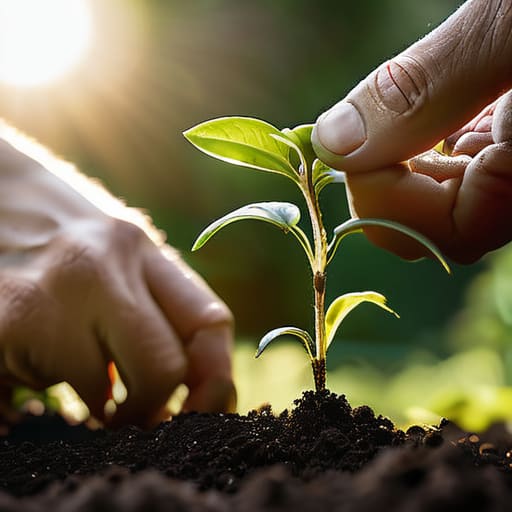
I still remember the feeling of standing in the middle of my tiny backyard three years ago, staring at a patch of stubborn weeds and a pile of expensive, unread seed packets. I felt completely paralyzed by the sheer amount of conflicting advice online; one website told me I needed a complex irrigation system, while another insisted I needed a massive, costly raised bed setup just to grow a single tomato. It felt like there was no clear reference guide for success, and honestly, the pressure to “do it right” made me want to give up before I even touched the soil. I realized then that learning how to start a vegetable garden shouldn’t feel like a high-stakes research project that leaves you feeling utterly defeated.
That is exactly why I’ve put this guide together for you. I’m not going to sell you on fancy gadgets or complicated horticultural theories that only serve to clutter your brain; instead, I’m going to give you a simple, actionable roadmap based on what actually works in a real, messy backyard. We are going to break this down into manageable, bite-sized steps so you can move from feeling overwhelmed to feeling truly confident in your ability to grow your own food.
Finding Your Perfect Spot With Vegetable Garden Sunlight Requirements
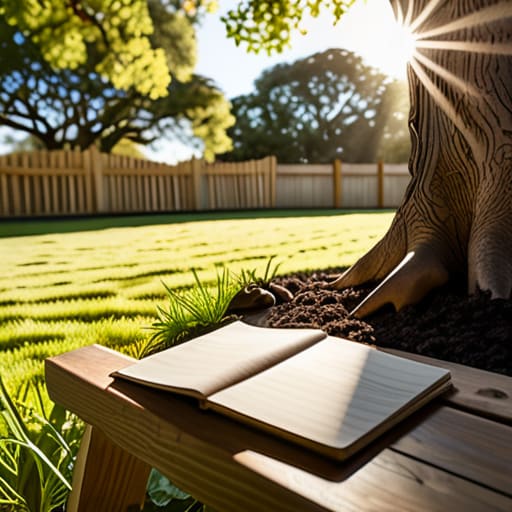
Before you grab your trowel, we need to talk about the most important “silent partner” in your garden: the sun. Most of the yummy things we love to eat—think tomatoes, peppers, and cucumbers—are sun-worshippers. When looking at your yard, you’ll want to find a space that gets at least six to eight hours of direct sunlight every single day. I always tell my workshop students to grab a notebook and check on their potential garden spot at 9:00 AM, noon, and 4:00 PM. You might think a patch looks bright, but a tall fence or a shady oak tree can cast long shadows that change the game entirely.
If you find yourself with a smaller space or a spot that only gets partial shade, don’t fret! You can still find success by adjusting your expectations. While sun-loving plants need that intense light, leafy greens like lettuce and spinach are much more forgiving and actually prefer a bit of relief from the midday heat. Understanding your specific vegetable garden sunlight requirements is the secret to avoiding that mid-summer slump where plants look tired and wilted. Once we nail down the light, we can move on to the fun part: getting the ground ready for planting.
The Simple Secret to Healthy Vegetable Garden Soil Preparation
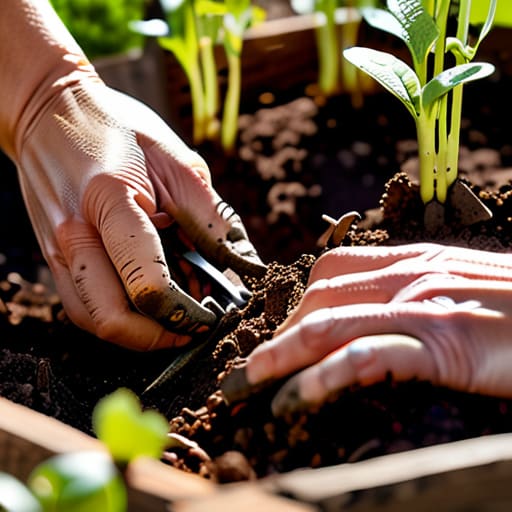
If there is one thing I’ve learned from my years of urban gardening, it’s that your plants are only as happy as the ground they stand in. I like to think of soil as the “reference guide” for your garden; if the foundation is solid and full of good information (or in this case, nutrients), your plants will know exactly how to grow. For effective vegetable garden soil preparation, you don’t need to be a scientist. You just need to focus on texture and nourishment. I always recommend starting by gently loosening your dirt with a garden fork to ensure it isn’t packed too tightly, which allows those tiny, thirsty roots to breathe.
Once your soil is aerated, it’s time to feed it. I’m a big believer in adding plenty of organic compost—it’s like giving your garden a well-stocked library of nutrients. Whether you are digging directly into the earth or looking for specific raised bed gardening tips, the secret remains the same: mix in that rich, dark compost to improve drainage and fertility. This simple step ensures that when you finally tuck your seedlings into the ground, they have everything they need to thrive from day one.
Five Little Ways to Keep Your Garden Growing (Without the Stress)
- Start small to keep your confidence high. I always tell my workshop students that it’s much better to have one thriving, tiny raised bed than a massive garden plot that feels like a second job. Pick two or three vegetables you truly love to eat and master those first.
- Think about your water source before you plant. There is nothing more discouraging than realizing your beautiful new seedlings are a twenty-yard trek from the nearest hose. Map out your layout so that watering feels like a peaceful ritual rather than a heavy chore.
- Choose the right tools for your hands. You don’t need a shed full of expensive gadgets; a sturdy hand trowel, a good pair of gloves, and a simple watering can are your “essential collection.” Investing in a few quality basics makes the physical work feel much more manageable.
- Keep a simple garden journal. Much like how I organize my bookbinding projects, tracking what you planted and when will be your greatest resource next year. Even a small notebook can help you remember which tomato variety actually thrived in your specific soil.
- Embrace a little bit of imperfection. Some plants will thrive, and others might struggle—it’s all part of the learning process! Instead of seeing a wilted leaf as a failure, look at it as a new piece of data for your personal reference guide.
From Planning to Planting: Your Next Steps
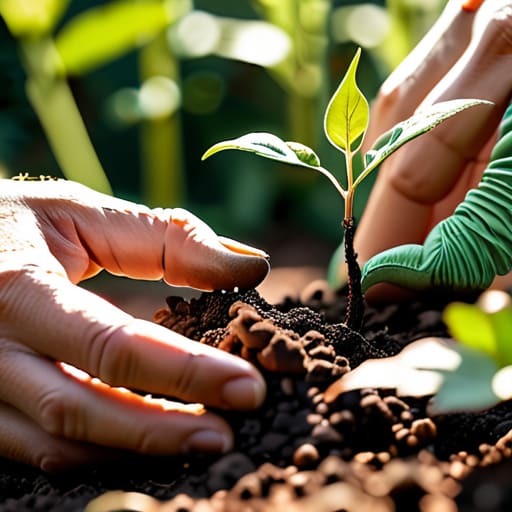
We have covered quite a bit of ground together, haven’t we? We started by finding that perfect, sun-drenched patch of earth and then moved into the essential work of preparing your soil to create a nutrient-rich foundation for your future harvest. Remember, you don’t need to master everything overnight to be a successful gardener. By focusing on these core elements—proper sunlight and healthy soil—you have already done the heavy lifting required to set your plants up for success. Think of these steps as the reference guide for your garden’s life; once the foundation is solid, the rest of the chapters will unfold much more naturally.
As you head out to your garden space, I want you to leave the pressure of perfection at the door. Gardening is a living, breathing process, and there will always be a little bit of trial and error along the way. Some plants might thrive, while others might struggle, but that is all part of the beautiful, messy rhythm of nature. My hope is that this little guide has helped replace your initial overwhelm with a sense of quiet confidence. So, grab your trowel, take a deep breath, and enjoy the magic of watching something grow because of your care. You’ve totally got this!
Once you have your soil ready and your sunlight mapped out, you might find yourself wondering if you’re truly on the right track or if you’re missing a crucial step. If you ever feel a bit lost or just want to swap stories with people who understand the joys and frustrations of growing things, I always suggest finding a local circle of support. Connecting with a group like the Leicester chat community can be a wonderful way to find encouragement and share practical advice from people living in your same climate. Sometimes, the best way to gain confidence is simply to realize you aren’t gardening alone.
