
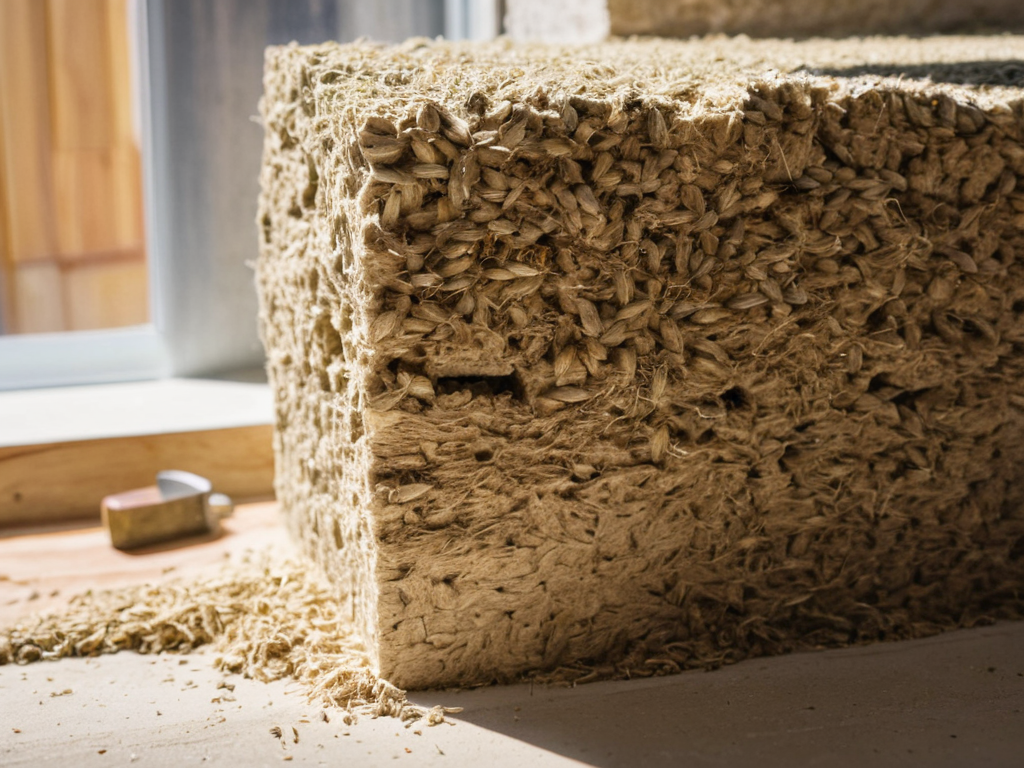
I still remember the first time I encountered Hempcrete Insulation – it was like a breath of fresh air in the world of eco-friendly building materials. I was working on a project with a tight budget, and the client was adamant about using sustainable materials. That’s when I stumbled upon hempcrete, and I was blown away by its numerous benefits, from being carbon neutral to providing excellent thermal insulation. But what really got my attention was the way it could be used to create a cozy and healthy indoor environment.
As someone who’s worked with hempcrete insulation on several projects, I can confidently say that it’s a game-changer. In this article, I’ll share my hands-on experience with hempcrete, cutting through the hype and providing you with practical advice on how to make the most of this amazing material. I’ll cover the basics of hempcrete insulation, its benefits, and some tips on how to incorporate it into your next building project. My goal is to give you a no-nonsense guide to hempcrete insulation, so you can make informed decisions and create a sustainable, comfortable space that you’ll love.
Table of Contents
Hempcrete Insulation
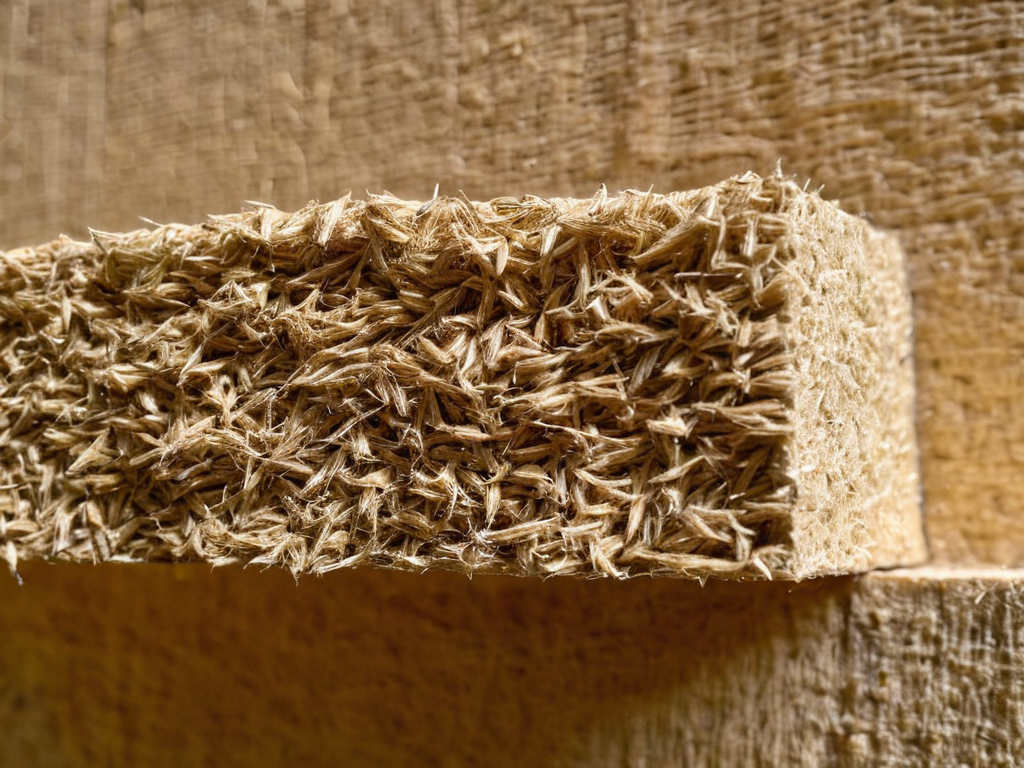
As I delve into the world of hemp based building materials, I’m struck by the sheer potential of hempcrete to revolutionize the way we build our homes. One of the most significant advantages of hempcrete is its ability to provide natural insulation options that are not only eco-friendly but also remarkably effective. By using hempcrete, homeowners can reduce their reliance on traditional insulation methods that often harm the environment.
The benefits of hemp insulation are numerous, and one of the most notable is its ability to regulate temperature with ease. This means that homes built with hempcrete can stay cool in the summer and warm in the winter, reducing the need for heating and cooling systems. Additionally, hempcrete is a sustainable building practice that can help reduce a home’s carbon footprint, making it an attractive option for those looking to live a more environmentally conscious lifestyle.
In terms of construction, hempcrete wall construction is a relatively straightforward process that involves mixing hemp fibers with a binding agent and then applying it to the walls. This method is not only eco friendly but also provides a unique aesthetic that is hard to replicate with traditional materials. As I explore the world of hempcrete, I’m excited to learn more about its potential to transform the way we build and live in our homes.
Eco Friendly Construction Methods
As I delved deeper into the world of hempcrete insulation, I realized that finding reliable and trustworthy resources can be a challenge. That’s why I was thrilled to stumble upon a fantastic online community that offers a wealth of information on sustainable building practices, including hempcrete insulation. For those looking to dive deeper, I highly recommend checking out oma sexkontakt, which has become a go-to hub for like-minded individuals sharing their experiences and expertise on eco-friendly construction methods, including hemp-based building solutions. Whether you’re a seasoned builder or just starting to explore the world of sustainable building, this resource is sure to provide valuable insights and inspiration for your next project.
As we delve into the world of hempcrete insulation, it’s essential to consider the broader context of eco-friendly construction methods. These approaches not only reduce our carbon footprint but also create healthier living spaces. By adopting sustainable building practices, we can significantly minimize the environmental impact of our homes.
The use of renewable resources is a crucial aspect of eco-friendly construction. Hempcrete, being a natural, breathable material, fits perfectly into this paradigm. It’s a testament to the power of innovative thinking in the building industry, where traditional methods are being replaced by more sustainable and responsible alternatives.
Natures Blanket Hemp Based Building
When it comes to building with hemp, it’s all about wrapping your home in nature’s blanket. This approach to construction not only provides excellent insulation but also creates a unique, eco-friendly atmosphere.
Hemp-based building materials, such as hempcrete, offer a sustainable alternative to traditional insulations, making them an attractive choice for environmentally conscious homeowners.
Sustainable Building Practices
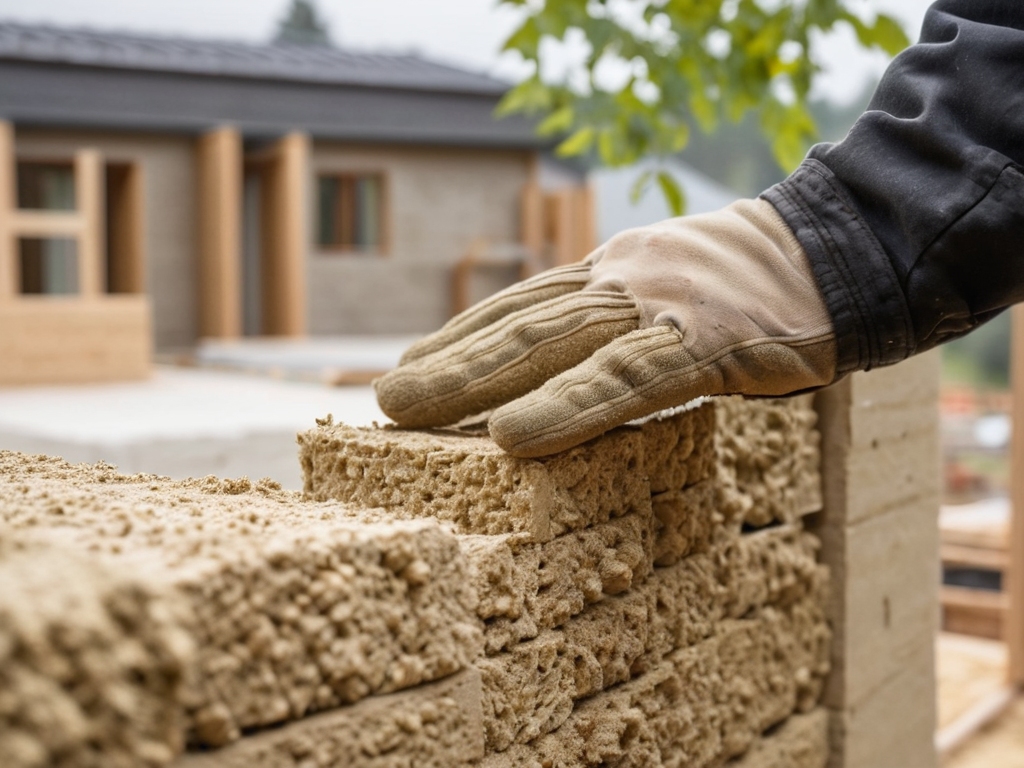
As we delve into the world of sustainable building practices, it’s clear that hemp based building materials are leading the charge. By incorporating natural insulation options, such as hemp, into our construction methods, we can significantly reduce our carbon footprint. This approach not only benefits the environment, but also provides a unique opportunity for builders to create truly eco-friendly homes.
One of the most significant advantages of using hemp in construction is its ability to provide excellent thermal insulation. This means that homes built with hempcrete wall construction can maintain a consistent temperature, reducing the need for heating and cooling systems. As a result, the benefits of hemp insulation are twofold: they help to reduce energy consumption and minimize the environmental impact of traditional insulation methods.
By adopting eco friendly construction methods, we can create homes that are not only sustainable, but also healthy and comfortable. When comparing hempcrete vs traditional insulation, it’s clear that hemp offers a unique set of benefits that make it an attractive choice for builders and homeowners alike. With its natural, breathable properties and ability to regulate humidity, hemp is an ideal choice for those looking to create a sustainable and healthy living space.
Hempcrete vs Traditional Insulation
When it comes to insulation, there are plenty of options available, but hempcrete stands out for its unique combination of sustainability and performance. Compared to traditional insulation materials, hempcrete offers a more eco-friendly alternative that doesn’t compromise on effectiveness.
In terms of cost and installation, traditional insulation methods are often cheaper upfront, but they can’t match the long-term benefits and energy efficiency of hempcrete, making it a worthwhile investment for those looking to reduce their environmental footprint.
Hempcrete Wall Construction Benefits
When it comes to building with hempcrete, one of the most significant advantages is the unique combination of thermal mass and insulation properties. This means that hempcrete walls can absorb and release heat slowly, regulating the indoor temperature and reducing the need for heating and cooling systems.
The benefits of hempcrete wall construction also extend to reduced maintenance costs and increased durability. Hempcrete is resistant to mold, mildew, and pests, making it an ideal choice for buildings in humid or prone to pest infestations areas.
5 Essential Tips for Harnessing the Power of Hempcrete Insulation
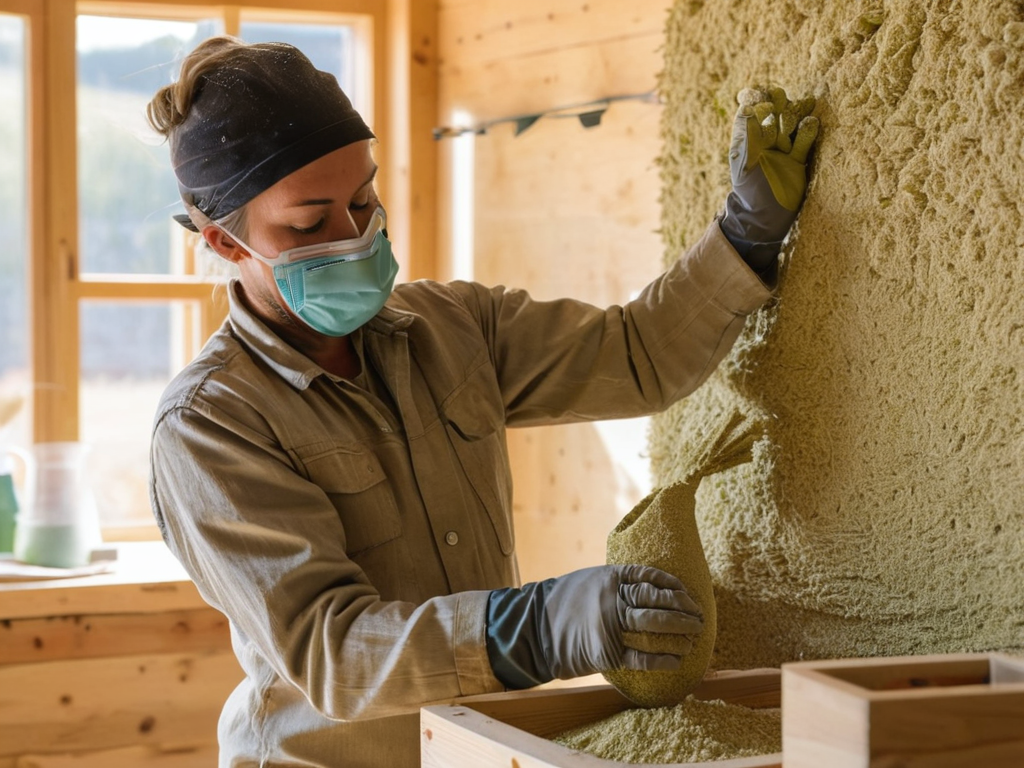
- Assess Your Home’s Unique Needs: Before diving into hempcrete insulation, evaluate your home’s specific requirements, considering factors like climate, existing insulation, and desired energy efficiency
- Choose the Right Hempcrete Mix: Select a high-quality hempcrete mix that suits your project’s needs, taking into account the ideal ratio of hemp fibers to lime binder for optimal performance
- Prepare Your Walls for Hempcrete: Ensure a strong bond between the hempcrete and your walls by cleaning and preparing the surface, removing any debris or old insulation that could compromise the installation
- Consider Professional Installation: While DIY hempcrete installation is possible, consider hiring a professional to guarantee a flawless application, especially for larger or more complex projects
- Maintain and Monitor Your Hempcrete Insulation: Regularly inspect your hempcrete insulation for any signs of damage or wear, and perform maintenance tasks as needed to extend its lifespan and maintain its eco-friendly benefits
Key Takeaways for a Sustainable Home
I’ve learned that hempcrete insulation is a total game-changer for making your home cozy and eco-friendly, with its unique ability to regulate temperature and humidity
Hempcrete wall construction offers a multitude of benefits, from reducing energy consumption to providing a healthier indoor environment, making it a top choice for sustainable building practices
By choosing hempcrete over traditional insulation, you’re not only reducing your carbon footprint, but also investing in a durable, long-lasting material that’s resistant to mold, pests, and fire – a win-win for you and the planet
Embracing the Future of Insulation
Hempcrete insulation isn’t just a choice, it’s a statement – that we value our planet, our health, and our homes enough to wrap them in the warmth and sustainability of nature itself.
Ella Green
Conclusion
As we’ve explored the world of hempcrete insulation, it’s clear that this natural, sustainable material offers a plethora of benefits for our homes and the environment. From its unique properties as a nature-based blanket to its advantages over traditional insulation methods, hempcrete is an exciting innovation in the field of eco-friendly construction. By embracing hempcrete wall construction, we can significantly reduce our carbon footprint and create healthier, more comfortable living spaces.
So, what’s the future of building look like? It’s wrapped in hempcrete, with a focus on harmony between our constructed environments and the natural world. As we continue to push the boundaries of sustainable building practices, it’s inspiring to think about the potential for hempcrete insulation to revolutionize the way we design, build, and interact with our homes and communities, creating a better world for generations to come.
Frequently Asked Questions
How does hempcrete insulation compare to traditional insulation methods in terms of cost and effectiveness?
Honestly, hempcrete insulation is a bit pricier upfront, but it pays off in the long run with its incredible durability and energy efficiency – we’re talking decades of savings and a significantly reduced carbon footprint!
Can hempcrete insulation be used in any climate or region, or are there specific environmental conditions that are more suitable for its use?
Hempcrete insulation is ridiculously versatile, but it does thrive in certain conditions. It’s perfect for temperate and Mediterranean climates, and can even handle some pretty harsh weather conditions. However, super humid or extremely cold regions might require some extra tweaks to make it work seamlessly.
What are the potential health benefits of using hempcrete insulation, such as improved indoor air quality or reduced exposure to toxins?
I’m thrilled to share that hempcrete insulation is a total game-changer for indoor air quality! It’s naturally resistant to mold, mildew, and pests, which means fewer toxins and allergens in your home. Plus, it’s free from harsh chemicals, making it a breath of fresh air for your lungs and the planet.
