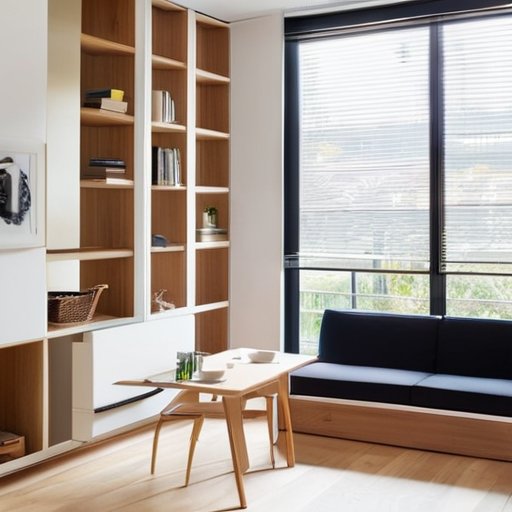
If you’ve been led to believe that kinetic furniture for micro‑living is a futuristic gadget‑store exclusive—motorised desks that whir, sofas that fold with a click, and price tags that make you wince—let me set the record straight. In my first cramped studio apartment, I installed a simple wall‑mounted desk that slides out with a gentle push; the soft sigh of the track was louder than any motor, and the whole thing cost less than a weekend brunch. That modest, purposeful motion proved you don’t need high‑tech hype to gain the calm of a well‑designed space.
In the pages that follow, I’ll walk you through three no‑nonsense systems that turn any 300‑sq‑ft loft into a sanctuary: a sliding work surface that tucks away with a whisper, a fold‑down dining table that doubles as a meditation bench, and a modular storage bench that doubles as a seat and a quiet retreat. You’ll get the exact measurements, the wood‑selection checklist, and the simple interview script I use with every piece, so you can feel the quiet transformation before the first nail is hammered.
Table of Contents
- Kinetic Furniture for Microliving Motion Meets Mindful Space
- Foldable Kinetic Mechanisms for Microapartment Furniture Solutions
- Spacesaving Kinetic Furniture Designs That Calm the Mind
- Transform Tiny Rooms With Modular Kinetic Design
- Compact Kinetic Ideas to Reclaim Room for Calm
- Dynamic Furniture for Small Spaces the Psychology of Flexibility
- 5 Motion‑Made‑Calm Strategies for Tiny Living
- Three Ways Kinetic Furniture Turns Tiny Spaces into Calm Sanctuaries
- Motion as Medicine for Tiny Spaces
- Wrapping It All Up
- Frequently Asked Questions
Kinetic Furniture for Microliving Motion Meets Mindful Space
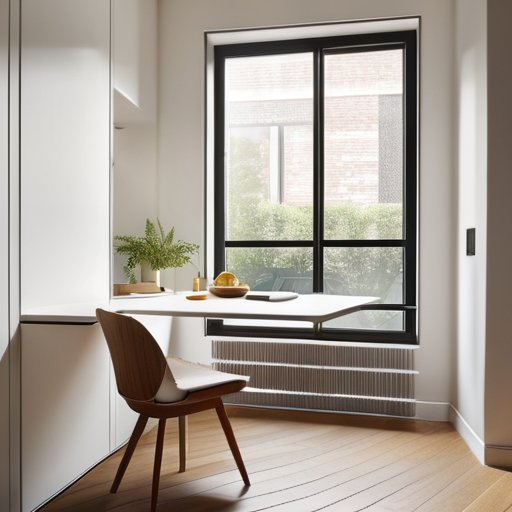
Imagine stepping into a studio where a single wall‑mounted desk slides out with a whisper, then tucks back into a sleek panel as you leave the room. That subtle motion is the heart of space-saving kinetic furniture designs—pieces that don’t just occupy space, they create it. In my own apartment, a fold‑away dining table doubles as a work surface, and each gentle glide feels like a breath of fresh air, reminding me that the room is ready to adapt to my needs. When furniture can move, the mind relaxes, because the environment now mirrors the fluidity we crave.
The real magic emerges when we treat each element as a modular puzzle. A modular kinetic furniture system of stackable seating and a hidden storage ottoman turned into a guest bed turned my cramped loft into a welcoming retreat. These compact kinetic furniture ideas are more than clever engineering; they invite a mindful pause each time you reconfigure a piece. Knowing a couch can fold into a chaise, or a bookshelf can swing shut, gives you a sense of control, turning the ordinary act of moving furniture into a soothing ritual.
Foldable Kinetic Mechanisms for Microapartment Furniture Solutions
When space feels tight, the magic lies in a piece that can disappear as easily as it appears. A wall‑mounted daybed that folds flat, a desk that collapses into a narrow cabinet, or a dining table that tucks into a recessed niche—all rely on foldable kinetic mechanisms that turn a square foot into a sanctuary. Click of a latch and the swing of a hinge create a ritual of effortless transformation, signaling to your brain that the room is ready for purpose.
I love pairing spring‑loaded hinges with dampers so the desk glides out with a whisper and folds back without a jolt. That quiet, predictable motion reinforces a sense of control, letting you breathe deeper each time you tuck the furniture away. Over time, the act of folding becomes a calming cue that your space—and your mind—are ready to reset.
Spacesaving Kinetic Furniture Designs That Calm the Mind
When a wall‑mounted desk slides out with a click, the hallway instantly becomes a workstation while the rest of the room stays uncluttered. Pair it with a folding bench that tucks under a shelf and a rotating bookshelf that reveals a hidden compartment for your favorite reads. Each kinetic element creates a mindful transformation—a cue that order is returning, allowing your mental space to settle.
A retractable Murphy bed that folds into a cabinet frees floor area and gives you ritual: pulling the mattress down signals it’s time to wind down. Add a coffee table that swivels 180° to expose a drawer for journals, or a hinged console that doubles as a key tray. The mechanics engage your proprioceptive sense, turning movement into a soothing habit. Over time, this quiet retreat becomes a meditation, reminding you that room respects your need for calm.
Transform Tiny Rooms With Modular Kinetic Design
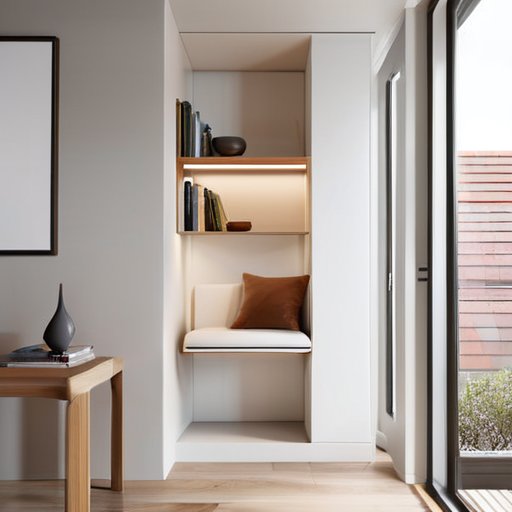
When a room feels cramped, the secret often lies in modular kinetic furniture systems that let you rearrange, collapse, or expand pieces with a single, fluid motion. Imagine a narrow hallway that suddenly becomes a cozy reading nook because a slim, wall‑mounted shelf slides out, then folds back into a sleek cabinet when you’re done. By embracing space‑saving kinetic furniture designs, you give each square foot a purpose, turning what once felt like a bottleneck into a series of purposeful zones. The beauty of these compact kinetic furniture ideas is that they require no permanent structural changes—just a gentle, intentional movement that invites calm each time you re‑configure the space.
The real magic appears when you treat your tiny room as a living puzzle. A low‑profile sofa that unfolds into a full‑size daybed, or a coffee table that expands into a dining surface, exemplifies transformable furniture for tiny homes. These dynamic furniture for small spaces rely on foldable kinetic furniture mechanisms that lock securely yet release with a soft click, allowing you to shift from work mode to lounge mode without the mental friction of clutter. By integrating micro‑apartment furniture solutions that breathe, you create a rhythmic flow that mirrors the ebb and tide of daily life, turning even the smallest square footage into a sanctuary of organized possibility.
Compact Kinetic Ideas to Reclaim Room for Calm
Imagine a thin, wall‑mounted desk that slides out with a whisper of a pull, then tucks neatly back into its frame when you’re done. The gentle glide creates a rhythmic cue that signals the start and end of work, turning a cramped hallway into a purposeful office nook. By anchoring the desk to the wall, you reclaim valuable floor space while the smooth pull‑out motion invites a moment of calm each time you sit down.
Another compact gem is a rotating, floor‑to‑ceiling shelving carousel that slides a hidden murphy‑bed into view when night falls. The soft spin of the mechanism signals a transition from day to rest, and the reclaimed floor area instantly feels larger. This quiet rotating storage not only stores linens and books but also creates a visual breathing space, letting your mind settle as the room transforms.
Dynamic Furniture for Small Spaces the Psychology of Flexibility
When a piece of furniture can move, fold, or expand on cue, the room suddenly feels like a collaborative partner rather than a static obstacle. That subtle agency gives you choice without clutter, a quiet reassurance that any moment can be reshaped to suit your current mood. The brain registers this flexibility as a safety net, lowering the baseline stress that tight quarters often provoke.
Beyond the immediate calm, dynamic pieces train your mind to anticipate change as a positive rhythm. Each smooth slide of a wall‑mounted desk or the gentle pop‑up of a fold‑away table becomes a micro‑ritual, reinforcing the belief that your environment is responsive. Over time this habit builds a mental spaciousness that carries over to work, relationships, and even sleep, turning a compact apartment into a true sanctuary. It reminds you that space, like thought can expand.
5 Motion‑Made‑Calm Strategies for Tiny Living
- Choose pieces that glide or fold with a single, intentional motion—each smooth transition signals a mental “reset” as you open or close a space.
- Prioritize hidden storage that slides away, keeping surfaces clear so your eyes can rest and your mind can breathe.
- Opt for furniture that can be re‑positioned on a track or swivel base, letting you rearrange your room without heavy lifting and maintaining a sense of control.
- Incorporate adjustable height or angle mechanisms (like a lift‑up desk) to physically “rise” with your needs, reinforcing the feeling that your space adapts to you, not the other way around.
- Select kinetic pieces with natural, quiet mechanics—soft clicks, silent glides, or gentle hinges—to create a soothing soundtrack that anchors your daily routine.
Three Ways Kinetic Furniture Turns Tiny Spaces into Calm Sanctuaries
Choose movement that mirrors your daily rhythm—sliding desks, fold‑away tables, and rotating shelves create purposeful motion that signals a mental “reset” each time you engage them.
Prioritize modular pieces that can be re‑configured on demand, letting you expand or contract your living area to match the ebb and flow of your day, reducing visual clutter and mental overload.
Pair each kinetic element with a dedicated “home” for the items it releases, reinforcing the rule that every object must have a purpose or a place, and instantly turning motion into a feeling of order.
Motion as Medicine for Tiny Spaces
“When a wall folds away and a desk slides out, the room breathes; each kinetic movement turns a cramped corner into a breathing space, reminding us that fluid design nurtures a fluid mind.”
Nathan Reed
Wrapping It All Up
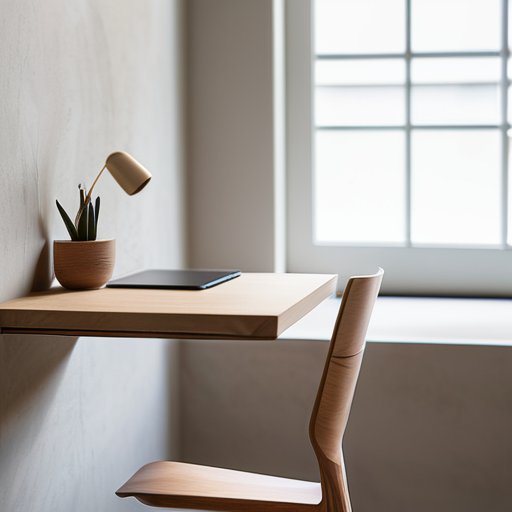
When you first glide a fold‑out desk out of its hidden niche, notice how the soft, purposeful movement cues your mind to shift from “busy” to “present”—a tiny ritual that can calm the entire room; to keep that rhythm alive, I’ve discovered a modest online gathering where micro‑living enthusiasts share their kinetic‑furniture sketches, step‑by‑step guides, and even host virtual tours of their compact sanctuaries at sextreff, a space that treats every smooth motion as a mindful invitation and every piece as purposeful transition toward a calmer, more intentional home.
As we close our tour through kinetic furniture for micro‑living, remember that each moving component is more than a clever space‑saver—it’s a mindful movement that invites calm into the tightest of footprints. We explored how space‑saving kinetic designs like wall‑mounted desks that glide open, fold‑away beds that tuck neatly into a closet, and modular shelving that re‑configures with a simple click can transform a cramped studio into a room that breathes. The psychology behind these mechanisms—flexibility, control, and predictable rhythm—helps lower the mental clutter that often accompanies limited square footage, turning restriction into a canvas for purposeful living.
So, as you stand at the threshold of your own micro‑apartment, see each kinetic piece as a partner in your daily ritual of peace. When you pull a desk forward, hear the soft slide as a reminder that you are in control; when you fold the bed away, feel the room open up like a breath. By deliberately interviewing each piece—asking what purpose it serves and where it belongs—you’ll craft a home that greets you with order before you even step inside. Let the gentle choreography of moving furniture become the first meditation of your day, and watch how that rhythm extends into a calmer, more centered mind.
Frequently Asked Questions
How do I choose kinetic pieces that fit my tiny space without compromising on comfort or style?
First, measure the space; even a few centimeters matter in a micro‑apartment. Then, decide the main function—sofa, desk, or storage—and pick a kinetic piece that fulfills that role with one smooth motion, such as a wall‑mounted fold‑out desk. Choose solid cushions or ergonomic hinges for comfort, and a finish that matches your palette. Finally, test the movement; if it feels effortless, you’ve found a piece that blends comfort, style, and calm each time you enter.
What maintenance or safety considerations should I keep in mind when installing moving furniture in a micro‑apartment?
Treat kinetic pieces like small machines. First, read the manual and lubricate hinges and sliders quarterly. Secure tall or wall‑mounted units to studs with proper hardware to prevent wobble. Keep moving parts free of dust, and tighten bolts regularly. Never exceed the piece’s weight limit, especially when extending a desk or bed. If children are present, add safety stops or locks to stop accidental deployment. A monthly inspection keeps the motion smooth and your mind at ease.
Can I integrate kinetic furniture with existing décor to create a seamless, calming environment?
Absolutely—you can weave kinetic pieces into your current décor without breaking the room’s harmony. First, “interview” each existing item: note its color, material, and the vibe it gives you. Choose kinetic furniture that shares those cues—think a walnut‑finished wall‑mounted desk that slides out like a secret drawer, or a soft‑fabric, fold‑away chair that echoes your couch’s upholstery. Keep the motion smooth and the hardware hidden; the gentle reveal becomes a calming ritual, turning every transition into a mindful pause.