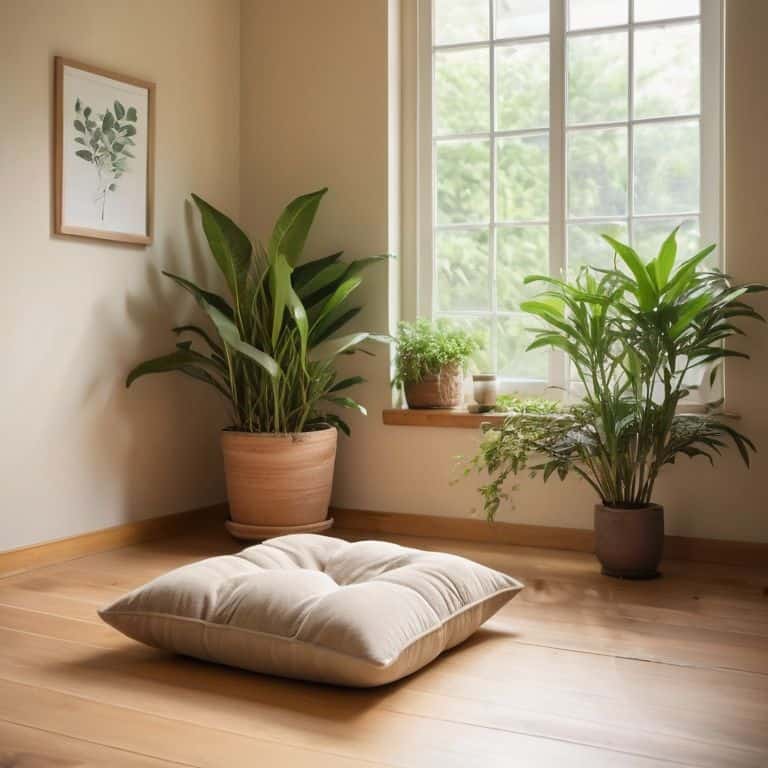
Take a deep breath in, and as you exhale, allow your eyes to gently focus on this moment. I still remember the first time I tried to create a meditation space at home – I thought it had to be a grand, elaborate setup, but what I ended up with was a cluttered corner that only added to my stress. The truth is, mindfulness isn’t about creating some sort of sacred, untouched altar; it’s about finding peace in the everyday. As someone who’s walked the path from chaos to calm, I’ve learned that how to create a meditation space at home is not about the space itself, but about the intention and simplicity you bring to it.
As we explore the process of crafting your own meditation sanctuary, I invite you to let go of any preconceptions about what it “should” look like. In this guide, I’ll share straightforward, practical advice on transforming any area of your home into a haven for mindfulness. We’ll cover the essentials, from choosing the right spot to selecting a few, meaningful items that will help you anchor your practice. My goal is to empower you with the knowledge and confidence to create a meditation space at home that truly reflects your unique energy and needs, allowing you to cultivate a deeper sense of calm and clarity in your daily life.
Table of Contents
Guide Overview: What You'll Need
Total Time: 1 hour 45 minutes
Estimated Cost: $50 – $100
Difficulty Level: Easy
Tools Required
- Measuring Tape (for measuring the room)
- Level (for ensuring shelves are straight)
- Drill (for hanging items on the wall)
- Screwdriver (for assembling furniture)
- Pencil (for marking the wall)
Supplies & Materials
- Meditation Chair or Cushion (for comfortable seating)
- Plants (for air purification and calm ambiance)
- Calming Color Paint (for walls, such as light blue or pale green)
- Soft Lighting (such as table lamps or string lights)
- Incorporating Textiles (such as a meditation mat or a throw blanket)
- Sound System (for playing calming music or nature sounds)
- Aromatherapy Essentials (such as essential oils or a diffuser)
- Shelves (for holding decorative items or books on meditation)
- Decorative Items (such as statues, candles, or inspirational quotes)
Step-by-Step Instructions
- 1. To begin, take a deep breath in, and as you exhale, allow your gaze to gently wander around your home, searching for a spot that feels serene and calm, a place where you can envision yourself sitting in stillness. Consider the natural light, the quietness, and the overall energy of the space.
- 2. Next, clear the chosen area of any clutter or distractions, creating a blank canvas for your meditation space. This might involve removing any furniture, dusting, or simply tidying up the surroundings. As you do this, remember to breathe slowly, allowing the task to become a mindful exercise in itself.
- 3. Now, think about the essence of minimalism in your meditation space. You don’t need much to create a peaceful ambiance. A simple, uncluttered floor or a small table can serve as the foundation. The key is to keep the space unassuming, allowing your mind to be the focal point, not the surroundings.
- 4. Introduce elements that promote calmness and visual serenity, such as a small plant, a candle, or a peaceful piece of art. These elements should inspire a sense of tranquility and help you connect with the present moment. Remember, the goal is to create a space that feels genuine and personal to you.
- 5. Consider the seating arrangement for your meditation practice. You might opt for a traditional meditation cushion on the floor, a comfortable chair, or even a bench in a peaceful corner of your garden. The most important aspect is to choose a seating option that supports your back and allows you to maintain a straight yet relaxed posture.
- 6. To enhance the ambiance of your meditation space, think about the lighting. Soft, natural light is ideal, but if your space is indoors, consider using warm and gentle lighting solutions such as table lamps or string lights to create a cozy and inviting atmosphere.
- 7. Finally, make your meditation space technologically minimalist. Consider keeping electronic devices out of the space or silencing them during your meditation practice. The goal is to minimize distractions and allow yourself to fully immerse in the moment, connecting with your breath and your inner self.
Creating Inner Peace
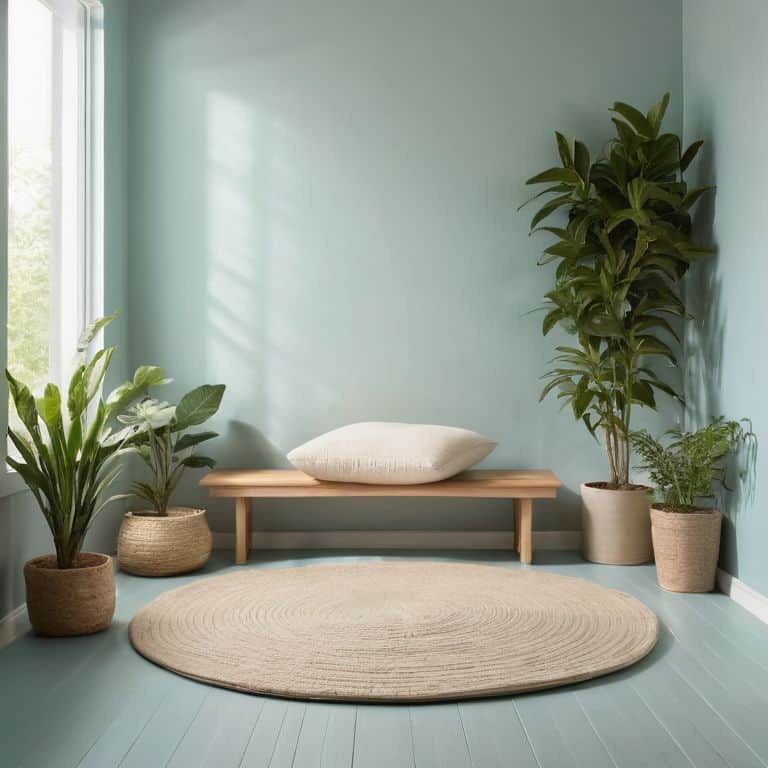
As we cultivate our meditation space, let’s not forget the importance of creating a peaceful atmosphere. This can be achieved by selecting _calming color schemes_ that promote relaxation and serenity. Soft hues such as light blue, pale green, or neutral tones can help create a sense of stillness, allowing us to settle into our practice with ease.
Incorporating elements of nature, like plants or a small water feature, can also enhance the ambiance of our meditation area. This subtle connection to the natural world can help us feel more grounded and at peace. By thoughtfully considering the _mindful decor_ of our space, we can create an environment that nurtures our inner calm.
As we sit in stillness, surrounded by the gentle beauty of our meditation space, we begin to experience the benefits of meditation at home. Our minds grow quieter, our bodies more relaxed, and our hearts more open. In this peaceful state, we can more easily tune into our inner wisdom, allowing us to navigate life’s challenges with greater clarity and compassion.
Designing Calm Spaces
As we cultivate inner peace, let’s breathe in the serenity of our surroundings. Take a deep breath in, and as you exhale, imagine any tension or chaos leaving your space. Now, envision the areas in your home where you’d like to create a sense of calm. Consider the natural light, the colors, and the textures that promote relaxation.
In designing calm spaces, I invite you to think of each room as a canvas for mindfulness. Choose elements that evoke a sense of serenity, such as soft cushions, plants, or a water feature. Remember, the goal is to craft an atmosphere that gently guides you back to the present moment, where you can breathe, relax, and simply be.
Mindful Decor Essentials
As we design our calm spaces, let’s breathe in the simplicity of mindful decor. Take a deep breath in, and as you exhale, imagine any clutter or distractions leaving your space. Now, consider the essentials that bring you peace: a serene color palette, perhaps, or the gentle glow of candles.
Incorporate natural elements, like a vase with fresh branches or a bowl of river rocks, to ground your space. Remember, the goal is to create a sense of stillness, so choose items that evoke a sense of calm within you. With each deliberate choice, you’re weaving a sanctuary that nurtures your mind, body, and spirit.
Nurturing Your Sanctuary: 5 Gentle Tips
- Begin by designating a quiet corner of your home as your meditation space, where you can sit comfortably without distractions
- Choose a few, carefully selected items to adorn your space, such as a peaceful artwork, a small plant, or a calming water feature, to create a sense of serenity
- Consider the power of texture and warmth by adding a plush rug, a comfortable cushion, or a soft throw blanket to your meditation area, inviting you to linger
- Experiment with gentle, soothing colors on your walls, such as light grays, creamy whites, or pale blues, to create a calming atmosphere that fosters relaxation
- Remember, the beauty of your meditation space lies in its simplicity, so avoid clutter and keep your decor minimal, allowing your mind to focus on the present moment
Embracing Serenity: 3 Key Takeaways
Remember to breathe deeply and slowly as you create your meditation space, allowing each element to become a reflection of your inner calm
Infuse your space with mindful decor essentials, such as natural textures and soft lighting, to craft an atmosphere that nurtures stillness and clarity
As you tend to your meditation space, recall that the true sanctuary lies within – may your efforts to create a peaceful environment be a gentle reminder to cultivate inner peace with each breath
A Sanctuary Within
As we tend to the space around us, we tend to the space within; may our meditation spaces be a reflection of the stillness we seek, and may our breath be the gentle guide that brings us home to ourselves.
Elara Keane
Embracing the Sanctuary Within
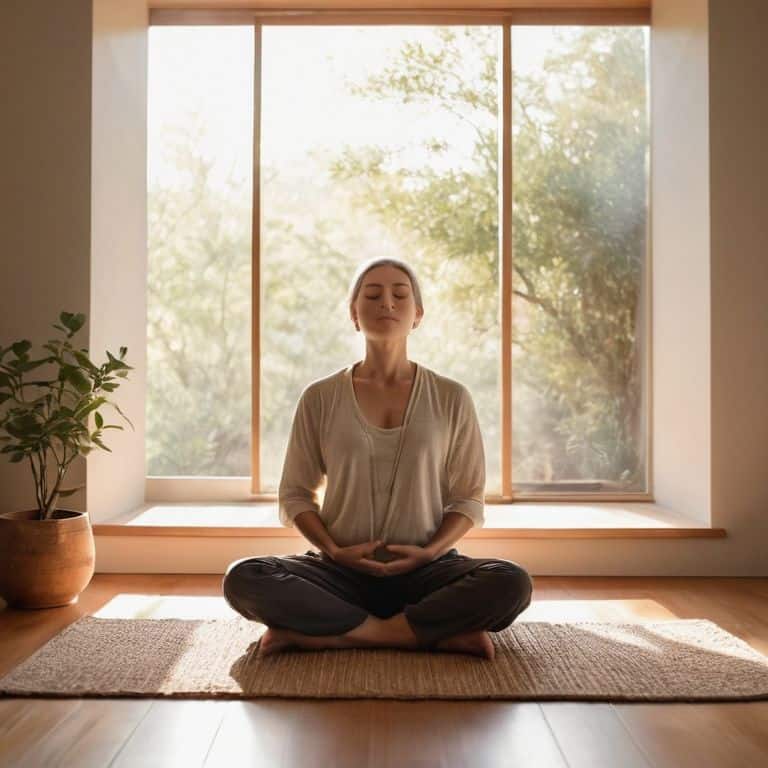
As we’ve explored the process of creating a meditation space at home, remember that it’s not just about the physical design of the room, but about cultivating a sense of inner peace. We’ve discussed the importance of designing calm spaces, selecting mindful decor essentials, and creating an atmosphere that invites stillness. By following these steps, you’ve taken the first steps towards weaving a little stillness into the fabric of your home. Recall the simple, yet profound, act of taking a deep breath in your newly created sanctuary – feeling the air fill your lungs, and then release – and how this moment can be a powerful anchor to the present.
Now, as you sit in your meditation space, surrounded by the gentle hues and soothing textures you’ve carefully chosen, allow yourself to settle into the silence. Remember, the true magic of meditation lies not in the space itself, but in the quiet moments you spend within it. As you breathe, feel the world slow down, and your heart fill with a sense of calm and clarity. In these moments, may you discover that the sanctuary you’ve created is not just a physical space, but a reflection of the peace that resides within you, waiting to be nurtured and shared with the world.
Frequently Asked Questions
How can I create a meditation space in a small or shared living area?
Take a deep breath in, and as you exhale, imagine any concerns about space melting away. Even in small or shared areas, you can create a meditation nook with a simple cushion, a plant, and a soothing color palette. Designate a quiet corner, and make it your own serene sanctuary.
What are some essential items I should include in my meditation space to enhance my practice?
To nurture your meditation practice, consider adding a few simple essentials: a quiet candle, a cozy throw blanket, and a small plant. These gentle touches can help calm your mind and invite stillness into your space. Remember, the goal is to create a sense of serenity, not to accumulate clutter.
How can I maintain a sense of calm and tranquility in my meditation space over time, despite changes in my environment or daily life?
To nurture calm in your meditation space, gently tend to it like a garden. Regularly dust and refresh the air, and mindfully choose new decor that resonates with your inner peace. As your practice evolves, allow your space to reflect your growth, ensuring it remains a sanctuary that cradles your soul.