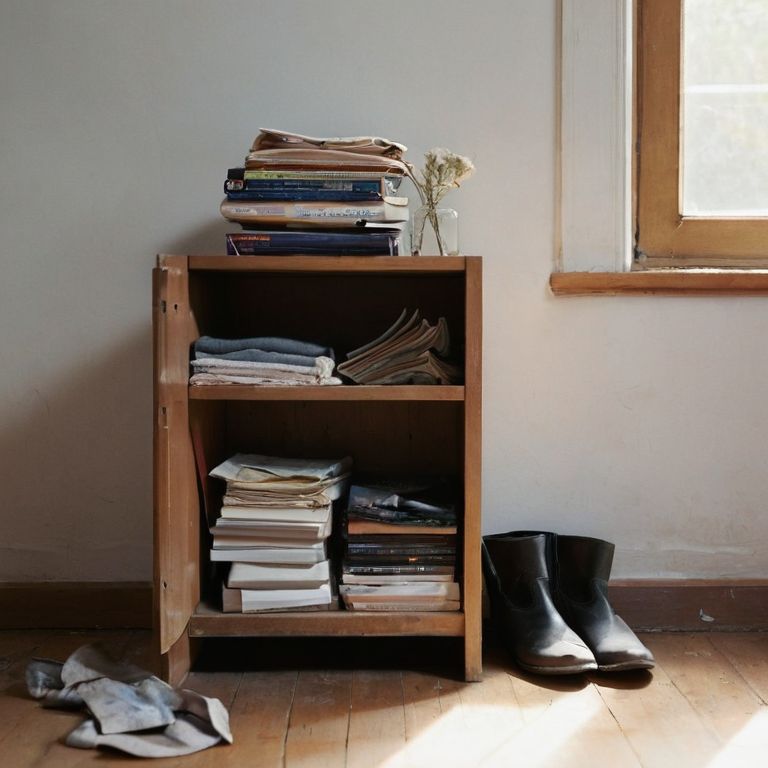
I still remember the first time I encountered the KonMari method – a well-meaning friend had gifted me Marie Kondo’s book, and I was immediately drawn to the idea of surrounding myself with only the things that spark joy. However, as I delved deeper into the world of decluttering, I began to notice the common criticisms of the konmari method that left many feeling frustrated and defeated. It seemed that the approach, although well-intentioned, wasn’t quite suited for everyone’s lifestyle or personality.
As someone who’s passionate about creating peaceful and functional spaces, I want to offer a more nuanced perspective on the KonMari method. In this article, I’ll share my thoughts on the practical limitations of this approach, and provide alternative strategies for those who’ve struggled to make it work. My goal is to help you create a home that truly feels like a sanctuary, without the pressure of adhering to a specific methodology. I’ll draw from my own experiences as a professional organizer and author to offer honest, experience-based advice that acknowledges the complexity of our relationships with our belongings.
Table of Contents
Beyond Konmari Critique

As I delve into the konmari method limitations, I’ve come to realize that the approach may not be suitable for everyone. Some individuals may find it challenging to part with sentimental items, highlighting the _emotional attachment to possessions_ that we often overlook. This attachment can stem from memories, personal experiences, or even cultural significance, making it difficult to simply discard or donate these items.
In the _minimalism vs maximalism debate_, it’s essential to consider the practical aspects of each approach. While minimalism can bring a sense of calm and clarity, it may not be the most effective solution for those who value their possessions for sentimental or practical reasons. Practical alternatives to konmari can include implementing organizational systems that cater to individual needs, allowing for a more balanced approach to decluttering and minimalism.
By exploring these alternative approaches, we can work towards a more _sustainable minimalism practice_ that prioritizes our emotional well-being and personal values. This may involve reevaluating our relationship with possessions and finding ways to maintain a sense of organization and calm without feeling overwhelmed by the pressure to conform to a specific method or ideology.
Embracing Minimalism Without the Frenzy
As we explore the criticisms of the KonMari method, it’s essential to remember that embracing minimalism can be a highly personal and beneficial journey. By focusing on the core principles of simplicity and intention, we can create a more peaceful living space that truly reflects our values and needs.
To move forward, consider adopting a gentle approach to decluttering and organizing, one that prioritizes mindfulness and self-reflection over hurried decision-making. This mindset allows us to thoughtfully evaluate each item, acknowledging the emotional attachment or functional purpose it serves, and make intentional choices about what to keep, donate, or discard.
Konmari Method Limitations Exposed
As I reflect on the KonMari method, I’ve come to realize that one of its major drawbacks is the potential for emotional overwhelm. The process of decluttering an entire house in one go can be daunting, leading to burnout and abandonment of the method altogether. I’ve seen friends and clients start strong, only to lose momentum and leave their spaces in a state of disarray.
The KonMari method also lacks a clear system for maintenance, leaving many to wonder how to keep their spaces organized after the initial decluttering process. This can lead to a sense of uncertainty and frustration, undermining the progress made and the emotional benefits of a tidy space.
Common Criticisms Explored

As I delve into the konmari method limitations, I’ve noticed that one of the primary concerns is the potential for emotional distress that can come with decluttering. The process of letting go of possessions can be overwhelming, especially when it comes to items that hold sentimental value. I’ve seen friends and clients struggle with the idea of parting with gifts or heirlooms, even if they no longer serve a practical purpose. This emotional attachment to possessions is a common obstacle that can make it difficult for people to fully embrace the KonMari method.
In the minimalism vs maximalism debate, it’s essential to consider the potential drawbacks of adopting an extreme approach to decluttering. While the idea of surrounding oneself with only the most cherished items may seem appealing, it can also lead to a sense of deprivation or guilt. As someone who values sustainable minimalism practices, I believe it’s crucial to find a balance that works for each individual. This might involve adopting practical alternatives to konmari that prioritize gradual, mindful decluttering over drastic purging.
By acknowledging the potential limitations and criticisms of the KonMari method, we can work towards creating a more nuanced approach to minimalism that honors our emotional connections to our belongings. Rather than simply adopting a one-size-fits-all approach, we can focus on developing a personalized strategy that takes into account our unique needs, values, and lifestyles. This might involve embracing minimalism without the frenzy, and instead, focusing on the therapeutic benefits of decluttering and organizing our living spaces.
Practical Alternatives to Marie Kondo
As I work with clients to create their ideal living spaces, I’ve found that embracing flexibility is key to maintaining a clutter-free home. This means being open to different organizing methods and finding what works best for each individual.
By focusing on simple systems, we can create a more sustainable approach to organization, one that doesn’t rely on a single method or guru, but rather on a deep understanding of our own needs and habits.
Sustainable Minimalism Over Maximalism
As I work with clients to create their ideal living spaces, I’ve come to realize that sustainable minimalism is about more than just getting rid of stuff. It’s a mindset shift that helps people focus on what truly adds value to their lives. By embracing this approach, individuals can break free from the cycle of consumption and cultivate a sense of calm in their homes.
I’ve seen firsthand how intentional living can transform a person’s relationship with their belongings. By being more mindful of their purchases and possessions, people can create a more balanced and peaceful environment that supports their well-being. This, in turn, can have a positive impact on their mental and emotional state, allowing them to feel more grounded and at ease in their own space.
Beyond the Hype: 5 Key Considerations for a More Balanced Approach
- Let’s face it, the KonMari method can be overwhelming – consider starting small, with one area or category of items at a time, to build momentum and confidence
- Remember, it’s not just about the stuff – it’s about the emotions and memories attached to it; be kind to yourself as you declutter, and don’t be afraid to keep items that bring you joy, even if they don’t spark it for everyone else
- The folding frenzy might not be for you, and that’s okay – explore alternative organizing methods, like categorizing or grouping similar items, to find what works best for your unique space and style
- Marie Kondo’s approach might not be the best fit for everyone, especially those with limited time or mobility – look into more flexible, adaptable methods that prioritize your needs and lifestyle
- Lastly, don’t forget to focus on the ‘why’ behind your decluttering – is it to create a sense of calm, to free up more time, or to make space for new experiences? Keeping your goals in mind will help you stay motivated and ensure that your efforts are truly fulfilling
Key Takeaways: Moving Beyond KonMari
Embracing a minimalist lifestyle doesn’t have to mean adopting the KonMari method wholesale; consider what works for you and your unique situation
Practical alternatives to Marie Kondo’s approach can help you achieve your decluttering goals without the stress or pressure of perfection
By focusing on sustainable minimalism and creating systems that bring you peace, you can cultivate a home environment that truly reflects your values and supports your well-being
A Reflection on the KonMari Method
As we navigate the nuances of the KonMari method, it’s essential to acknowledge that its ‘one-size-fits-all’ approach can sometimes overlook the emotional complexities of our relationships with possessions, highlighting the need for a more personalized and compassionate approach to decluttering.
Nathan Reed
Finding Balance in the Pursuit of Order
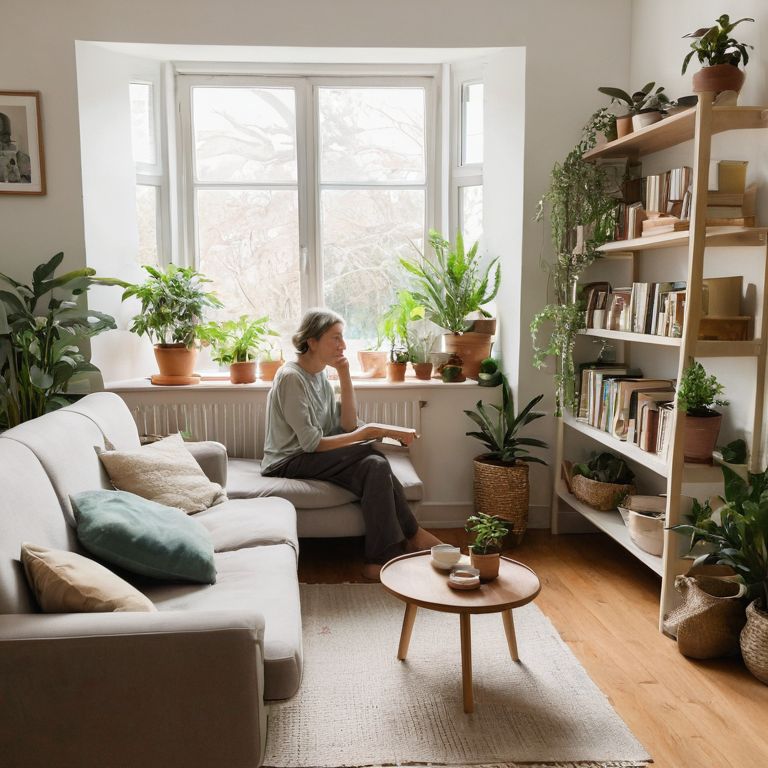
As we’ve explored the common criticisms of the KonMari method, it’s clear that while the approach has inspired many to rethink their relationship with possessions, it may not be the best fit for everyone. We’ve discussed the importance of finding practical alternatives that prioritize sustainability and minimalism without the frenzy, and embracing a more nuanced approach to decluttering that considers the emotional and psychological aspects of our attachment to belongings. By acknowledging the limitations of the KonMari method and seeking out more holistic approaches, we can create a more balanced and peaceful living space that truly reflects our values and needs.
Ultimately, the journey to a more organized and serene home is not about adhering to a particular method or ideology, but about cultivating a deeper understanding of ourselves and our place within our surroundings. As we strive to create a sanctuary that nourishes both body and mind, let us remember that the true power of organization lies not in the systems or techniques we use, but in the sense of calm and clarity they bring to our lives. By embracing this mindset, we can transform our homes into havens of peace and tranquility, and discover a more profound sense of well-being in the process.
Frequently Asked Questions
What are the most common complaints from people who have tried the KonMari method and found it didn't work for them?
I’ve heard from many who’ve tried the KonMari method and found it lacking – common complaints include feeling overwhelmed by the ‘all-at-once’ approach, struggling with the idea of thanking items before letting them go, and finding the folding techniques too time-consuming or impractical for daily life.
How do critics of the KonMari method suggest we should approach decluttering and organizing if the 'spark joy' principle isn't effective?
Critics suggest focusing on function and necessity over joy, or using a ‘maybe’ box for undecided items. I’ve found that interviewing each item, as I call it, helps clients decide what to keep, making the process more intentional and less emotional.
Are there any alternative methods to the KonMari approach that have been proven to be more effective or sustainable in the long term?
I’ve found that the FlyLady method and the Swedish Death Cleaning approach offer practical, long-term solutions for many of my clients, focusing on gradual progress and mindful consumption rather than intense purging.