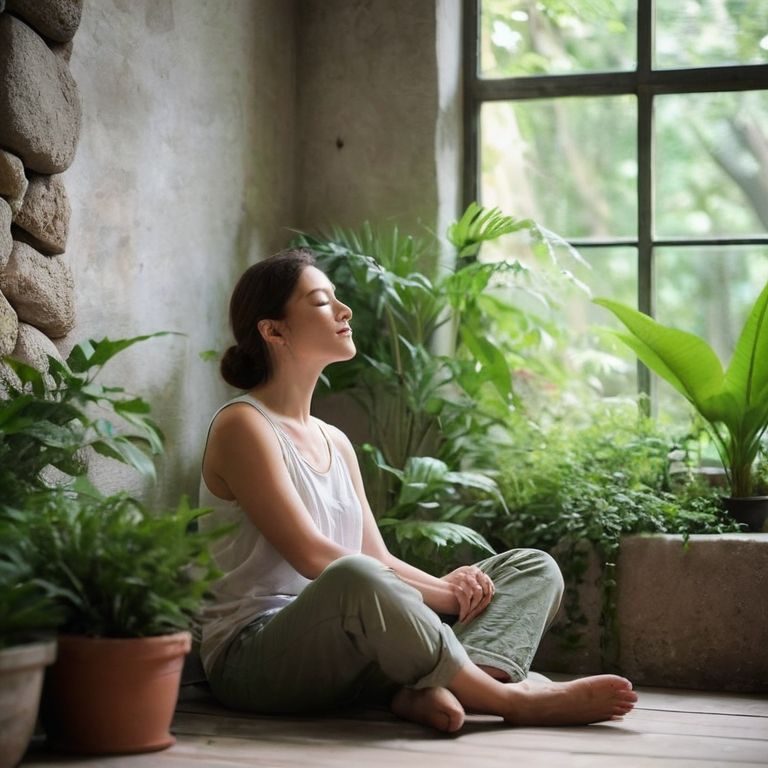
Take a deep breath in, and as you exhale, allow your mind to settle. Let’s explore the difference between mindfulness and meditation together, shall we? I’ve often found that the conversation around these practices can be shrouded in mystery, with some believing that to truly benefit, one must dedicate hours to silent contemplation or adhere to a strict regimen of mindfulness exercises. However, my experience, gleaned from years of studying mindfulness in the serene environments of Southeast Asian monasteries, suggests that the truth is far more accessible and simpler than that.
As someone who has walked the path from a high-stress corporate career to a life of teaching mindfulness, I’ve come to understand that the key to unlocking the benefits of these practices lies not in the complexity of the methods, but in their application to our daily lives. In this article, I promise to guide you through the practical applications of mindfulness and meditation, stripping away the unnecessary and focusing on what truly matters: finding that quiet space within yourself, no matter the external chaos. My approach is rooted in the belief that breath awareness is the universal anchor for the mind, and from this foundation, we can explore the nuances of both mindfulness and meditation in a way that is both approachable and deeply personal.
Table of Contents
Beyond the Breath

Take a deep breath in, and as you exhale, allow your attention to gently focus on the present moment. As we explore mindful breathing exercises, let’s consider how they can be a gateway to both mindfulness and meditation. By paying attention to our breath, we can begin to cultivate a sense of awareness and self-reflection, allowing us to better understand our thoughts and emotions.
As we delve deeper into the practice, we can discover the benefits of mindfulness for stress relief. By incorporating formal mindfulness practices into our daily routine, we can learn to navigate life’s challenges with greater ease and clarity. Whether through walking, eating, or simply sitting, these practices invite us to engage with our experiences in a more intentional way.
In the stillness, we can begin to uncover the beauty of informal meditation techniques, weaving mindfulness into the fabric of our everyday lives. As we embrace this gentle art, we may find that our relationship with ourselves and the world around us begins to shift, revealing a deeper sense of awareness and connection.
Awareness Through Formal Practice
As we move into formal practice, let’s take a deep breath in, and exhale slowly. This transition allows us to cultivate greater self-awareness, noticing the subtle shifts in our body and mind.
In this space, we can develop a deeper sense of inner peace, letting go of distractions and gently focusing on the present moment.
Mindful Breathing for Stress Relief
As we explore the gentle art of mindfulness, let’s take a deep breath in, and exhale slowly. Mindful breathing becomes our anchor, allowing us to settle into the present moment. With each breath, we can begin to release tension and stress.
In the stillness, we can practice breath awareness, focusing on the sensation of the breath moving in and out of the body. This simple practice can be done anywhere, at any time, and is a powerful tool for stress relief, helping to calm the mind and soothe the body.
The Difference Revealed

As we delve deeper into the world of mindfulness and meditation, it’s essential to understand how mindful breathing exercises can be a powerful tool for stress relief. By focusing on the breath, we can calm the mind and become more aware of our thoughts and emotions. This awareness is a key component of mindfulness, allowing us to respond to situations more thoughtfully, rather than simply reacting.
In formal mindfulness practices, we often use meditation techniques to cultivate a sense of inner peace and clarity. These techniques can be as simple as focusing on the breath or as complex as guided visualizations. The goal is to create a sense of awareness and self-reflection, allowing us to better understand ourselves and the world around us. By incorporating these practices into our daily lives, we can experience the benefits of mindfulness for stress relief and improve our overall well-being.
As we explore the relationship between mindfulness and meditation, it’s clear that informal meditation techniques can be just as valuable as formal practices. By bringing a sense of mindfulness into our daily activities, we can transform even the most mundane tasks into opportunities for growth and self-discovery. This is where the true benefits of mindfulness come into play, allowing us to find peace and clarity in the midst of chaos.
Informal Mindfulness for Daily Life
As we navigate our daily lives, it’s essential to incorporate mindful moments into our routines. This can be as simple as paying attention to our breath while waiting in line or savoring each bite of a meal.
By bringing awareness to our daily tasks, we can transform mundane activities into opportunities for growth and reflection. For instance, being fully present while walking or driving can help us stay grounded and focused, even in the midst of chaos.
Meditation Techniques for Inner Peace
As we explore meditation techniques, let’s focus on cultivating inner peace through gentle, repetitive practices. This can be as simple as focusing on the sensation of our feet touching the ground or the sound of our breath moving in and out of the body.
In meditation, we can use body scan techniques to release physical tension and promote relaxation. By lying down or sitting comfortably, and bringing our attention to each part of the body, we can let go of stress and anxiety, allowing ourselves to settle into a deeper sense of calm and tranquility.
Embracing the Distinction: 5 Key Tips to Understand Mindfulness and Meditation
- Let’s take a deep breath in, and as we exhale, consider that mindfulness is about being present in our daily activities, while meditation is a dedicated practice to cultivate that presence
- Imagine you’re walking in nature, noticing each step, the sounds, and the smells – this is mindfulness in action, whereas meditation might involve sitting quietly, focusing on the breath to achieve a similar state of awareness
- As we navigate our busy lives, we can apply informal mindfulness by paying attention to our thoughts, emotions, and physical sensations, whereas meditation often requires a formal, dedicated time and space to practice
- Picture a river, with its constantly changing water, yet remaining serene – meditation can help us develop this inner calm, while mindfulness helps us apply it to the ever-changing waters of life
- Remember, the goal of both mindfulness and meditation isn’t to achieve a specific state, but to gently return to the present moment, again and again, with kindness and curiosity, allowing us to find peace in the midst of chaos
Embracing the Essence: 3 Key Takeaways
Mindfulness and meditation are not interchangeable terms, but rather complementary practices that, when used together, can lead to a deeper sense of inner peace and clarity
By incorporating mindful breathing and formal meditation practice into our daily routine, we can cultivate a greater sense of awareness and reduce stress
Embracing informal mindfulness in our everyday activities allows us to bring the benefits of meditation into our busy lives, creating a sense of calm and presence in each moment
Embracing the Distinction
As we breathe, we begin to see that mindfulness is the gentle whisper of the present moment, while meditation is the quiet reflection that follows, allowing us to unravel the depths of our own inner wisdom.
Elara Keane
Embracing the Journey
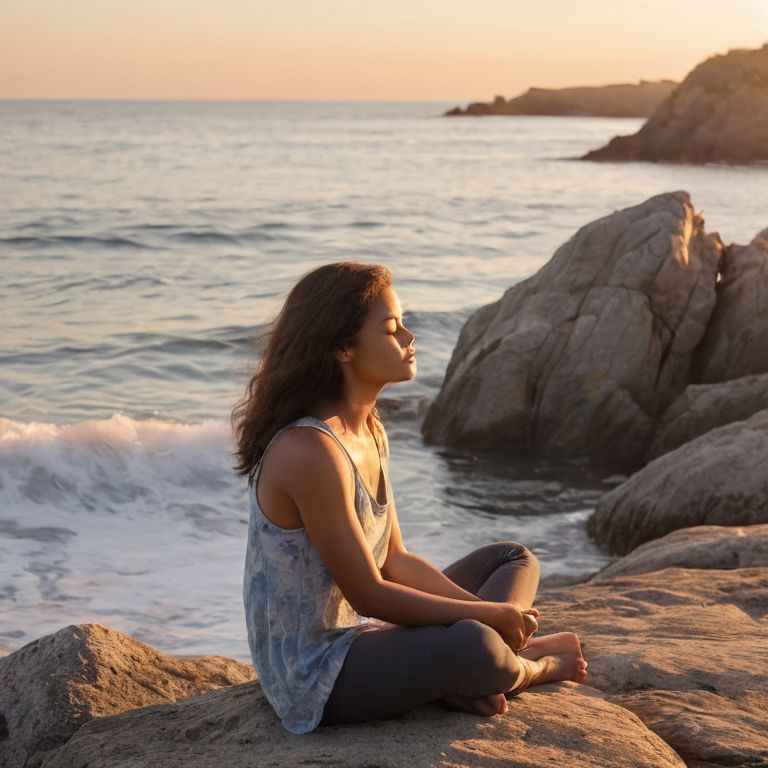
As we conclude our exploration of the difference between mindfulness and meditation, let’s take a moment to reflect on the key takeaways. We’ve discovered that mindful breathing can be a powerful tool for stress relief, and that formal meditation practices can cultivate a deeper sense of awareness. We’ve also touched on the importance of informal mindfulness in daily life, and how it can help us navigate life’s challenges with greater ease. By embracing both mindfulness and meditation, we can develop a greater sense of clarity and inner peace.
As we move forward on our journey, remember that the goal is not to achieve a specific state, but to cultivate awareness in every moment. May you carry the gentle wisdom of mindfulness and meditation with you, and may it guide you towards a life of greater serenity, compassion, and inner stillness. May your breath be your anchor, and may your heart be filled with peace.
Frequently Asked Questions
Can I practice mindfulness without meditating?
Let’s breathe in gently and consider this together. While meditation can deepen mindfulness, they’re not interchangeable terms. You can practice mindfulness without formal meditation by bringing awareness to daily activities, like eating or walking, and focusing on the present moment. I encourage you to try it, even in small moments, and notice the sense of calm that arises.
How do I know if I'm doing mindfulness or meditation correctly?
Let’s take a gentle breath in, and as we exhale, allow any self-doubt to release. Correctness isn’t the goal; it’s about showing up with kindness and curiosity. Ask yourself: am I cultivating awareness in this moment, or am I focusing on a specific meditation technique? Trust your intention, and remember, the journey itself is the practice.
Can mindfulness and meditation be practiced together for greater benefits?
Let’s breathe in the possibility of combining mindfulness and meditation. Yes, they can be practiced together, weaving a beautiful tapestry of awareness and inner peace. By pairing mindful breathing with meditation techniques, you can deepen your practice, cultivating a sense of calm and clarity that stays with you throughout your day.