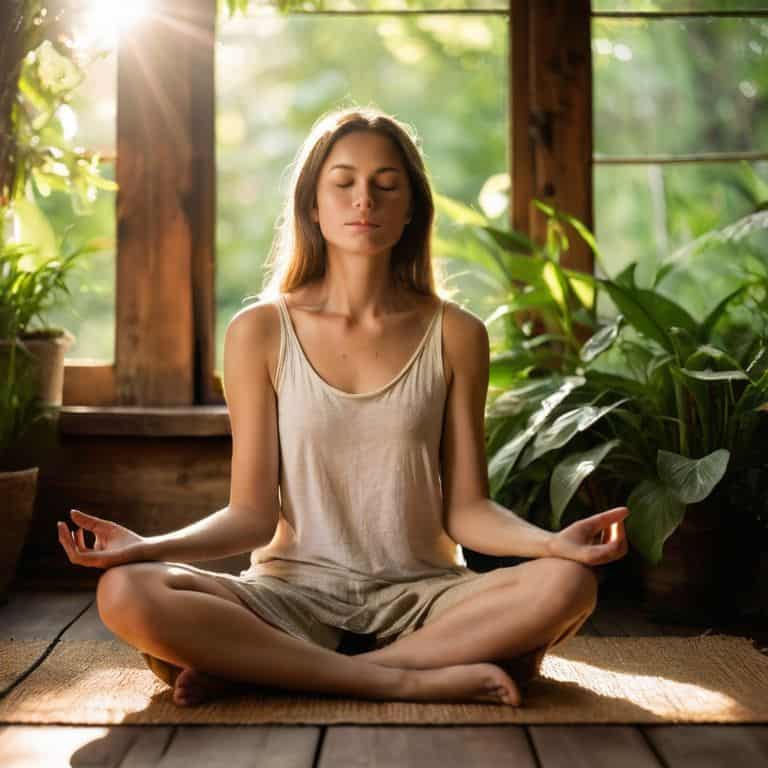
As I sit in my Japanese rock garden, surrounded by the soothing sounds of nature, I’m reminded of the simplicity and power of how to practice grounding techniques. So often, we’re led to believe that finding calm and clarity requires a grand, life-altering gesture. But the truth is, it’s the small, gentle steps that can have the most profound impact on our well-being. I’ve seen it time and time again in my practice as a therapist: a client will come in, feeling overwhelmed and stuck, and we’ll work together to find simple, everyday moments to ground themselves in the present.
In this article, I invite you to join me on a journey to discover the beauty of grounding techniques. You’ll learn practical strategies for incorporating mindfulness into your daily life, from taking a 10-minute walk to focusing on the sensation of your feet on the ground. My goal is to provide you with honest, no-hype advice that you can apply immediately, helping you to feel more centered and calm in the midst of chaos. By the end of this guide, you’ll have a deeper understanding of how to practice grounding techniques and be equipped with the tools to start your own journey towards greater peace and clarity.
Table of Contents
Guide Overview: What You'll Need

Total Time: 30 minutes to 1 hour
Estimated Cost: $0 – $10
Difficulty Level: Easy
Tools Required
- Comfortable seating (optional: cushion or mat)
Supplies & Materials
- Calming essential oils (optional: lavender or chamomile)
Step-by-Step Instructions
- 1. First, find a quiet and comfortable spot to sit or stand where you can focus on your breath without distractions. This could be a corner in your home, a park, or even your backyard. Take a moment to notice the sensation of your feet touching the ground, feeling the weight and connection to the earth.
- 2. Next, take a few deep breaths and begin to notice the sensation of the air moving in and out of your body. Pay attention to the sensation of each breath, feeling the rise and fall of your chest or the expansion and contraction of your belly. Allow your breath to become the anchor that brings you back to the present moment.
- 3. Now, bring your attention to your five senses, starting with the sensation of your feet on the ground. Notice the texture of the floor or ground beneath you, whether it’s soft, hard, warm, or cool. Then, move your attention to the sounds around you, listening to the nuances of each noise without judgment.
- 4. As you continue to breathe deeply, expand your awareness to the sensations in your body, starting from your toes and moving up to the top of your head. Notice any areas of tension or relaxation, allowing yourself to release any tightness as you exhale. Remember, the goal is not to achieve a specific state but to cultivate awareness of your present experience.
- 5. The next step involves using your sense of sight to ground yourself. Look around you and notice the colors and textures of the objects in your environment. Pay attention to the way the light falls on each item, creating shadows and highlights. Allow yourself to become fully engaged with your visual surroundings, taking in every detail without judgment.
- 6. Now, bring your attention to your sense of smell and taste. Notice any distinct scents in the air, whether it’s the fragrance of a plant, the smell of fresh air, or the aroma of a nearby meal. If you have a drink or a piece of candy with you, take a small sip or savor the taste, noticing the flavors and textures as they dissolve in your mouth.
- 7. As you come to the end of this grounding exercise, take a moment to reflect on your experience. Notice how you feel, whether you sense any changes in your body or mind. Remember that grounding is a practice, and it’s okay if your mind wanders – the key is to gently bring your attention back to the present moment, without judgment.
How to Practice Grounding Techniques

As you explore grounding techniques, remember that the goal is to cultivate presence in your daily life. One way to do this is by incorporating mindful walking exercises into your routine. Take a 10-minute walk, focusing on the sensation of your feet touching the ground, the rhythm of your breath, and the sights and sounds around you. This simple practice can help you feel more connected to your body and the world around you.
When practicing grounding techniques, it’s essential to listen to your body and honor its needs. Consider trying body scan meditation for anxiety, which involves lying down or sitting comfortably and bringing awareness to each part of your body, releasing any tension or discomfort as you go. This can help you develop a greater sense of self-awareness and breathing exercises for stress relief can be a powerful companion to this practice.
By incorporating these techniques into your daily life, you can begin to experience the benefits of grounding for yourself. Whether you’re seeking relief from anxiety or simply looking to cultivate a greater sense of calm, remember that it’s all about taking small, gentle steps towards presence and awareness. As you walk, breathe, and listen to your body, you may find that you’re better able to navigate life’s challenges with serenity and clarity.
Finding Calm With Mindful Walking Exercises
Mindful walking is a powerful way to ground yourself, allowing you to connect with the present moment. As you walk, focus on the sensation of your feet touching the ground, the rhythm of your breath, and the sights and sounds around you. Notice the way the light filters through trees, the sound of birds singing, or the smell of fresh cut grass. With each step, feel your worries slowly lifting, like leaves rustling to the ground.
I often recommend taking a 10-minute walk, paying attention to the sensation of each step, to calm the mind and soothe the soul. As you walk, allow your thoughts to arise without judgment, gently bringing your focus back to the present moment. This simple yet profound practice can help you find calm and clarity, one step at a time.
Using Body Scan Meditation for Anxiety Relief
As we explore grounding techniques, let’s not forget the power of body scan meditation. This simple yet profound practice involves lying down or sitting comfortably, and bringing your attention to each part of your body, starting from your toes and moving up to the top of your head. As you focus on each area, notice any sensations, feelings, or thoughts without judgment, allowing yourself to release any tension or discomfort.
By doing so, you’ll become more aware of your physical presence, anchoring yourself in the present moment. Regular body scan meditation can help alleviate anxiety by teaching your mind to acknowledge and accept your body’s signals, rather than getting caught up in worrisome thoughts. Take a few minutes each day to try this exercise, and watch your body and mind relax, one gentle breath at a time.
5 Gentle Steps to Ground Yourself in the Present
- Start small, just like a seedling needs nourishing soil to grow – begin with short 5-minute grounding exercises to cultivate calm
- Bring your attention to the five senses, just as a landscape painter focuses on the play of light and color, to anchor yourself in the present moment
- Use mindful walking as a way to ground yourself, paying attention to the sensation of each step, the rhythm of your breath, and the sounds around you
- Practice body scan meditation, gently bringing awareness to each part of your body, releasing tension and finding relaxation, just as a river smoothly flows over rounded stones
- Remember, grounding is a journey, not a destination – be patient and kind to yourself as you explore these techniques, and don’t hesitate to take a 10-minute walk whenever you feel the need to reconnect with the world around you
Key Takeaways for Grounding Techniques
By incorporating simple grounding exercises into your daily routine, such as mindful walking and body scan meditation, you can significantly reduce feelings of anxiety and increase your sense of calm and well-being
Remember, the goal of grounding techniques is not to achieve a specific state, but to cultivate awareness and acceptance of the present moment, allowing you to feel more centered and grounded in your daily life
Start small and be patient with yourself as you explore different grounding techniques – even a short 10-minute walk or a few minutes of focused breathing can have a profound impact on your mental health and sense of calm, and it’s okay to take things one step at a time
Embracing the Present
Just as a tree stands firmly rooted in the earth, we too can find stability in the present moment by cultivating awareness of our breath, our bodies, and the world around us.
Dr. Samuel Cole
Embracing the Grounding Journey

As we conclude our exploration of grounding techniques, remember that the key to embracing calm lies in consistent practice. We’ve covered the essential steps to get you started, from mindful walking exercises to body scan meditation. By incorporating these activities into your daily routine, you’ll become more adept at recognizing and managing stress and anxiety. The goal is not to achieve a specific state but to cultivate awareness of the present moment, allowing you to navigate life’s challenges with greater ease and clarity.
As you move forward on your grounding journey, keep in mind that every small step counts. It’s the gentle, persistent effort that leads to profound change. Don’t be too hard on yourself if your mind wanders or if you miss a day – simply acknowledge the setback and return to your practice. With patience, kindness, and dedication, you’ll find that grounding techniques become an integral part of your toolkit for achieving lasting peace and well-being.
Frequently Asked Questions
How can I incorporate grounding techniques into my daily routine without feeling like I'm taking time away from other important tasks?
As I always say, a 10-minute walk can be a great starting point. Try incorporating short grounding exercises into your daily routine, like deep breathing during your morning commute or a brief body scan during lunch. Even small moments of mindfulness can make a big difference, and you might find that it actually helps you stay focused and productive throughout the day.
What if I'm in a situation where I don't have access to a calm or natural environment – can I still practice grounding techniques?
Even in chaotic spaces, you can find calm within. Close your eyes, focus on your breath, and bring to mind a peaceful memory or a safe place. Alternatively, use your senses to ground yourself, noticing the sensation of your feet on the ground, the sounds around you, or the sensation of the air on your skin.
Are there any specific grounding techniques that are more effective for certain types of anxiety or stress, such as work-related stress or social anxiety?
For work-related stress, I recommend ‘Focused Attention’ exercises, where you concentrate on a single task, like a puzzle. For social anxiety, ‘Sensory Exploration’ can help, such as noticing the sensation of your feet on the ground or the sounds around you, to bring you back to the present moment.